

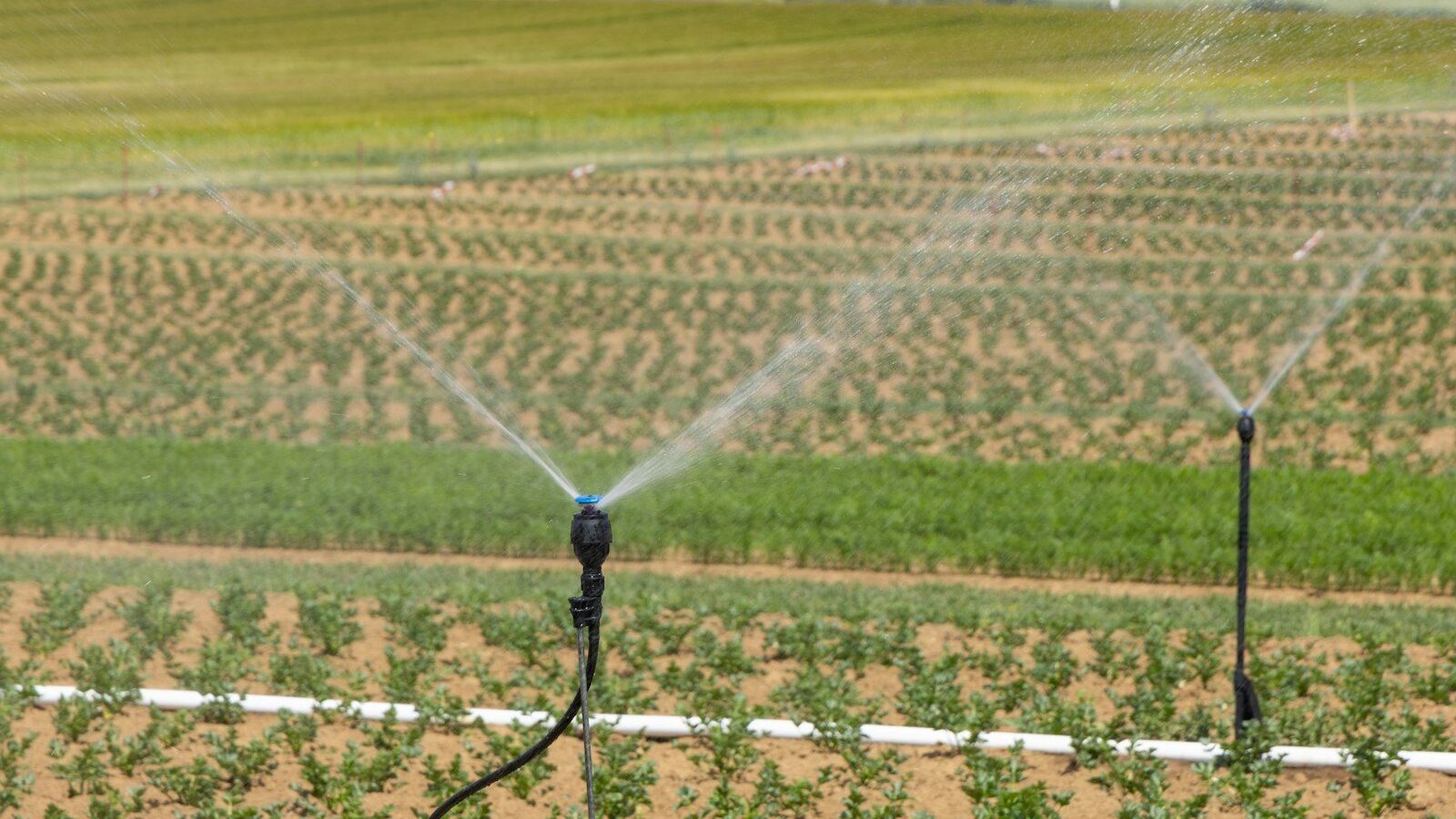
The short verdict: an above-ground, hose-fed sprinkler setup is the right choice for small lawns, renters, and anyone who waters only during dry spells, because it costs little and installs in an afternoon. An in-ground system is worth the investment if you have a medium or large lawn in a climate where you water most of the summer, you plan to stay in the home for years, and you want watering to happen automatically at the right time of day. Between those two lies a hybrid: hoses and above-ground heads connected to a timer, which captures much of the convenience for a fraction of the cost. This guide compares the two on cost, coverage, water efficiency, convenience and upkeep so you can decide which fits your yard.
In this guide
- Side-by-Side Comparison
- What Each System Actually Is
- Factor 1: Cost
- Factor 2: Coverage and Evenness
- Factor 3: Water Pressure and Flow
- Factor 4: Water Efficiency
- Factor 5: Convenience and Automation
- Factor 6: Installation and Disruption
- Factor 7: Maintenance and Climate
- Factor 8: Home Value and Appearance
- Which Should You Choose?
- Frequently Asked Questions
Key Takeaways
- Above-ground systems are cheap, portable and DIY-friendly, but you move hoses and sprinklers by hand and coverage is often uneven.
- In-ground systems cost far more upfront but water evenly, automatically and early in the morning, with zones matched to each area.
- Water efficiency depends more on design and scheduling than on type; a well-planned, controller-run in-ground system usually wastes less.
- In-ground systems need annual maintenance and, in freezing zones, winterization.
- A hose-end timer plus a few good above-ground heads is the best middle ground for many small to mid-size yards.
Side-by-Side Comparison
| Factor | Above-ground (hose-fed) | In-ground (installed) |
|---|---|---|
| Upfront cost | Low; sprinklers, hoses and a timer | High; professional install typical |
| Installation | Minutes to hours, no digging | Trenching, valves, backflow device, often a permit |
| Coverage | Good on simple shapes; gaps and overspray common | Designed head-to-head coverage by zone |
| Water pressure | Limited to one hose bib | Uses full service line, split into zones |
| Automation | Optional hose-end timer | Controller, often Wi-Fi and weather-based |
| Convenience | Move and set up by hand | Set and forget |
| Mowing and looks | Hoses in the way, visible equipment | Heads retract below grade |
| Maintenance | Store hoses, replace cheap sprinklers | Annual checks, head and valve repairs, winterizing |
| Portability | Take it with you | Stays with the house |
| Best for | Small lawns, renters, occasional watering | Larger lawns, hot or dry climates, long-term owners |
What Each System Actually Is
Above-ground sprinklers
An above-ground setup is anything fed by a garden hose: oscillating sprinklers for rectangles, impact or pulsating sprinklers on spikes or tripods for large circles, rotary and turret sprinklers for small areas, and traveling sprinklers that follow the hose around the lawn. Some people build semi-permanent versions by running poly tubing or several hoses with splitters to fixed spike sprinklers and then connecting the whole thing to a battery hose timer. For an overview of head styles, see our guide to types of lawn sprinklers.
In-ground sprinkler systems
An in-ground system taps the main water line after the meter, passes through a backflow prevention device, and feeds a series of electric valves. Each valve controls a zone of buried PVC or poly pipe with pop-up spray heads or rotors that rise when pressurized and drop flush with the lawn when off. A controller opens each valve in turn on a schedule. Because each zone runs separately, the system can deliver the full flow your water service allows, one area at a time, with heads spaced so their spray patterns overlap.
Factor 1: Cost
This is the biggest difference. A capable above-ground setup is a few sprinklers, quality hoses and a hose-end timer, the kind of purchase you can make in one trip to the hardware store. An in-ground system for a typical suburban lawn is a contractor project measured in thousands, driven by the number of zones, yard size, soil (rocky ground and roots slow trenching), the distance from the water line, whether a backflow device and permit are required, and local labor rates. Smart controllers, drip zones for beds and rain sensors add to it.
For a deeper breakdown of what drives installed-system pricing, including per-zone factors and DIY savings, see our sprinkler system installation cost guide. Keep in mind ongoing costs too: in-ground systems need occasional head and valve replacements, a yearly backflow test in many municipalities, and fall blowouts in cold climates. Above-ground costs are mostly replacing sprinklers and hoses that crack or leak over time.
Factor 2: Coverage and Evenness
Even water distribution is where in-ground systems earn their price. A designer places heads so each one throws water to the next (“head-to-head coverage”), and matches precipitation rates within each zone so rotors and sprays are not mixed. The result is a lawn without the familiar dry crescents and soggy circles.
Above-ground sprinklers can work well on simple shapes. An oscillating sprinkler fits a rectangle neatly, and an impact sprinkler can be set to a partial arc. But irregular lawns, narrow side yards, slopes and beds next to driveways are hard to cover without overspraying pavement or missing corners. Expect to reposition sprinklers during each watering session on all but the smallest lawns, and to see some variation in color between well-watered and missed zones in mid-summer.
A quick coverage test
Whichever system you have, place five or six straight-sided cans (tuna cans work) across the area, run the sprinklers for 30 minutes and measure the water in each. If some collect twice as much as others, your coverage is uneven, and you are probably overwatering most of the lawn to keep the driest spot green. Most cool- and warm-season lawns need about 1 inch of water a week in summer, including rain, applied in one or two deep sessions rather than daily sprinkles.
Factor 3: Water Pressure and Flow
A single outdoor hose bib typically supplies only a portion of your home’s total flow, and long or narrow hoses reduce it further. That limits how many sprinklers you can run at once from one spigot, often just one or two. If you add more heads, each throws a shorter distance. In-ground systems tap a larger line and are designed around your measured flow (in gallons per minute) and pressure, so each zone gets what it needs. Before choosing either option, measure your flow by timing how long it takes to fill a 5-gallon bucket from the hose bib. Our guide to planning a sprinkler system walks through that test and how to use it.
Factor 4: Water Efficiency
Neither type is automatically more efficient. A poorly adjusted in-ground system that runs every day, sprays sidewalks and ignores the rain wastes far more than a homeowner who drags out one sprinkler when the lawn shows stress. That said, the tools for efficiency are much better on installed systems:
- Smart controllers adjust run times using local weather data and skip watering after rain.
- Rain and soil moisture sensors stop cycles automatically.
- Zones let shady areas, sunny slopes and beds get different schedules.
- High-efficiency rotary nozzles apply water slowly enough to soak in on clay soils.
- Cycle-and-soak programming splits a run into short sessions to prevent runoff on slopes.
Above-ground systems lose more water to evaporation and wind when sprays are high and fine, and to overspray on paved areas. Watering early in the morning, between about 4 and 9 a.m., helps both types. If efficiency is your priority, look at smart sprinkler controllers for in-ground systems, and pair above-ground setups with a hose timer so a sprinkler is never left on overnight. Beds and shrubs are better served by drip irrigation than by any sprinkler.
Factor 5: Convenience and Automation
Convenience is what most homeowners are really buying with an in-ground system. It waters at dawn whether you are home or on vacation, never forgets a zone, and adjusts with the season from your phone. There are no hoses across the lawn when you mow, no sprinklers to trip over and nothing for the dog to chew.
With above-ground sprinklers, someone has to set up, move and put away equipment. A battery-powered hose-end timer closes some of the gap: it can run a single fixed sprinkler on a schedule, and multi-outlet timers can run two or three hoses in sequence. It is still less flexible than a true zoned controller, but for a small front lawn it may be all you need.
Factor 6: Installation and Disruption
Installing an in-ground system means trenching or pulling pipe through the lawn with a vibratory plow, which leaves seams that recover within weeks to a couple of months. Work around trees, utilities and hardscape requires care, and many areas require a permit and a licensed installer for the backflow connection. Call 811 before any digging so buried utility lines are marked. DIY installation is possible for handy homeowners with time; our guide to installing pop-up sprinklers covers the steps.
Above-ground systems need no digging and no permits. You can change the layout any time and take everything with you when you move, which makes them the obvious choice for renters.
Factor 7: Maintenance and Climate
In-ground systems need periodic attention: clear or replace clogged nozzles, straighten tilted heads, raise sunken heads, fix leaking valves and check coverage each spring. In USDA zones where the ground freezes, roughly zones 7 and colder, lines must be drained or blown out with compressed air each fall to prevent cracked pipes and backflow devices. Our guide to winterizing a sprinkler system covers the steps.
Above-ground maintenance is mostly storage. Drain and coil hoses out of the sun, bring sprinklers and timers indoors for winter, and replace washers when connections drip. Inexpensive plastic sprinklers wear out within a few seasons; metal impact and well-built oscillating models last much longer.
Factor 8: Home Value and Appearance
In hot, dry regions where lawns and landscapes depend on regular irrigation, buyers tend to expect an irrigation system, and a working one can be a selling point. In wetter climates where lawns rely mostly on rain, it matters less. Either way, a system with broken heads and leaks is a liability on an inspection report. Above-ground equipment adds no value but also costs nothing to remove.
Which Should You Choose?
- Choose above-ground if your lawn is small, you rent, rainfall carries your lawn through most summers, you water only in droughts, or your budget is tight.
- Choose in-ground if your lawn is medium to large, summers are hot and dry, you water most weeks from late spring to early fall, you own the home long-term, or you travel often in summer.
- Choose the hybrid if you want automation without trenching: one or two well-placed impact or oscillating sprinklers on fixed bases, hoses run along bed edges, and a multi-outlet hose timer.
- Combine both if you install in-ground zones for the main lawn and keep a hose sprinkler for a far corner that is not worth plumbing.
Whatever you choose, the watering rules for a healthy lawn are the same: water deeply and infrequently, in the early morning, and adjust for rain. Our lawn care guide covers how watering fits with mowing height, fertilizing and aeration through the season. If you are leaning toward an installed system, get two or three quotes that each include a design drawing showing head locations and zones so you can compare like for like.
Frequently Asked Questions
Is an above-ground sprinkler system good enough for a lawn?
For small and simply shaped lawns, yes. The limits are uneven coverage on irregular shapes, low flow from one hose bib and the work of moving equipment. A hose timer makes it far more practical.
Do in-ground sprinklers use less water?
They can, when designed for even coverage and run by a smart or weather-adjusted controller. A poorly set in-ground system can waste more than hand-placed sprinklers, so programming and maintenance matter.
Can I install an in-ground sprinkler system myself?
Many homeowners do, especially with poly pipe and a rented trencher. Check local rules first, because the backflow connection often requires a permit or licensed plumber, and always call 811 before digging.
How long does an in-ground sprinkler system last?
Buried pipe can last for decades when protected from freezing and damage. Heads, nozzles, valves and controllers wear out sooner and are replaced individually as needed.
Can I automate above-ground sprinklers?
Yes. Battery-powered hose-end timers, including multi-outlet and Wi-Fi models, can run hose-fed sprinklers on a schedule. Leave sprinklers on fixed bases so they cover the same area each cycle.