

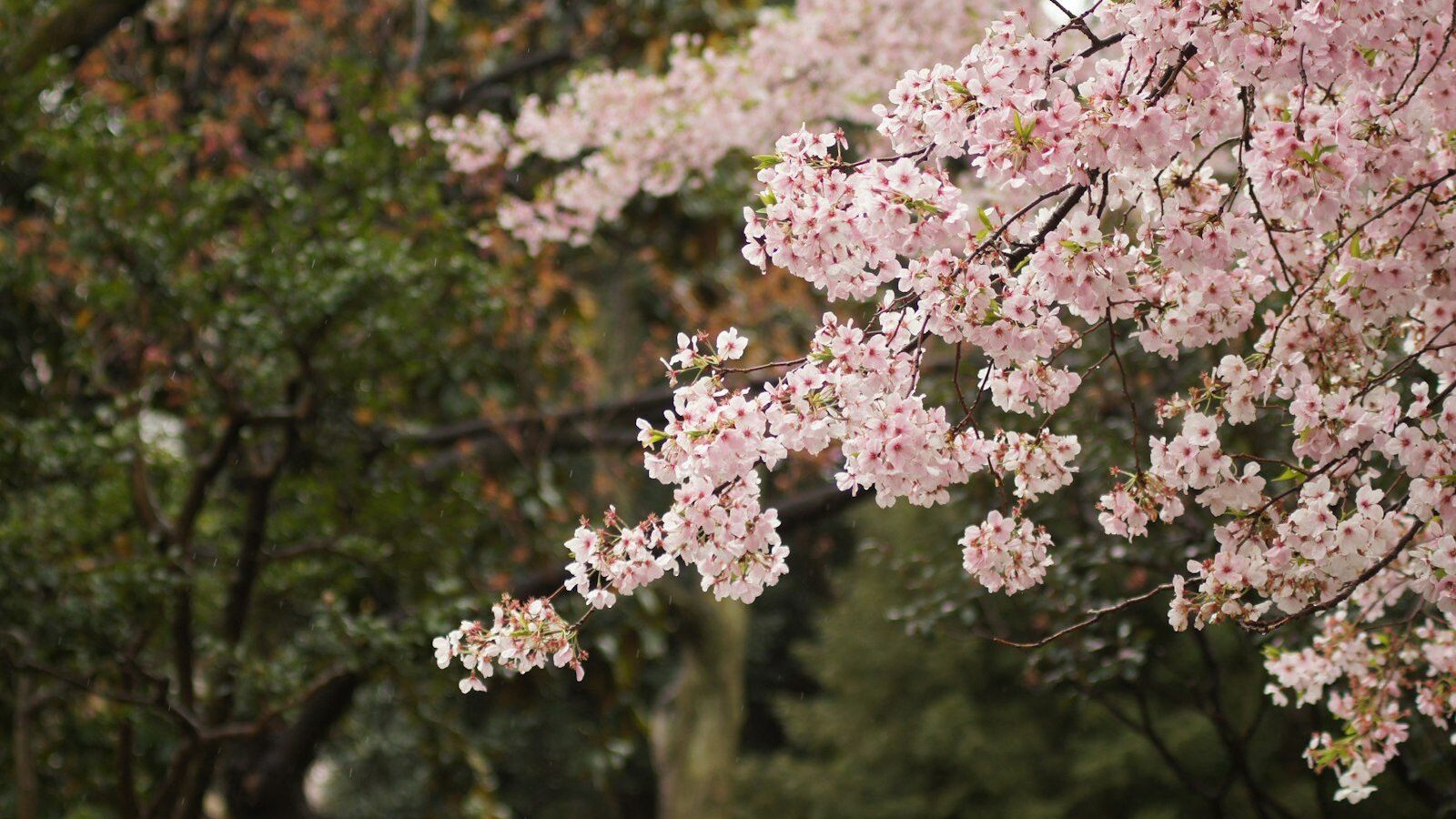
Short answer: choose a Yoshino cherry if you want the classic cloud of white to pale pink single blossoms in early spring, a broad spreading canopy and a fast-growing shade tree; choose a Kwanzan cherry if you want bold, deep pink double flowers about two weeks later, a vase-shaped tree with a slightly smaller footprint, and no fruit to clean up. They are the two most-planted flowering cherries in the US, and both are the trees around the Tidal Basin in Washington, D.C. Neither is the long-lived oak of the ornamental world, and both need full sun and good drainage. The comparison table below gives you the facts at a glance, followed by details on bloom, size, care and lifespan, and a clear set of recommendations.
Key Takeaways
- Yoshino blooms first, usually late March to early April in the mid-Atlantic, with single white to blush-pink, lightly fragrant flowers on bare branches.
- Kwanzan blooms about 1 to 2 weeks later with deep pink double flowers of 20 to 30 petals, as bronze new leaves emerge.
- Yoshino grows larger and wider, typically 30 to 40 feet tall and as wide; Kwanzan is usually 20 to 30 feet with a vase shape.
- Yoshino produces small black cherries that birds eat; Kwanzan is sterile and fruitless.
- Both suit USDA zones 5 to 8, need full sun and well-drained soil, and are relatively short-lived compared with large shade trees.
Yoshino vs Kwanzan at a Glance
| Trait | Yoshino cherry | Kwanzan cherry |
|---|---|---|
| Botanical name | Prunus x yedoensis | Prunus serrulata ‘Kanzan’ |
| Flower form | Single, 5 petals | Double, 20 to 30+ petals |
| Flower color | White to pale blush pink | Deep rosy pink |
| Fragrance | Light almond scent | Little to none |
| Bloom time | Early spring, before leaves | Mid-spring, 1 to 2 weeks later, with leaves |
| Mature height | 30 to 40 ft | 20 to 30 ft (occasionally more) |
| Mature spread | 30 to 40 ft, broad and rounded | 20 to 30 ft, upright vase |
| Growth rate | Fast, 1 to 2 ft per year when young | Moderate |
| Fruit | Small black cherries (bird food) | None (sterile) |
| Fall color | Yellow to bronze | Orange-bronze to coppery red |
| USDA zones | 5 to 8 | 5 to 8 (some sources to 9) |
| Bark | Smooth gray with horizontal lenticels | Glossy reddish-brown with lenticels |
Bloom Color, Form and Timing
The flowers are the main reason anyone plants either tree, and they look completely different. Yoshino flowers are single and simple, five petals each, opening pale pink and fading almost to white. They are lightly almond-scented and appear on bare branches in clusters of three to five, so the whole tree looks like a white haze. Peak bloom in Washington, D.C. typically falls between late March and early April, depending on the year. In the Southeast it can be mid-March; in colder parts of zone 6 and zone 5, mid- to late April.
Kwanzan flowers are double, ruffled and heavy, with 20 to 30 or more petals each, hanging in clusters of two to five. They are a strong, saturated pink rather than pastel. Kwanzan blooms roughly one to two weeks after Yoshino, just as its new leaves unfurl in a coppery bronze that turns green, so the flowers are set against foliage rather than bare branches. Many gardeners find Kwanzan the more dramatic of the two; others find Yoshino’s lighter, airier display more elegant.
Bloom duration is similar, about one to two weeks at peak, but warm weather, wind and rain can shorten either one. Kwanzan’s double flowers tend to hold a little longer in a given spell of weather. Because their bloom periods barely overlap, planting both stretches the cherry season to three or four weeks.
Size, Shape and Siting
Yoshino is the bigger tree. It grows fast when young and matures to a broad, rounded, spreading crown, often as wide as it is tall at 30 to 40 feet. Branches arch outward and down, which creates the canopy effect seen along waterfronts and boulevards. Give it room: plant at least 15 to 20 feet from the house and well away from overhead wires.
Kwanzan grows in a stiffer, upright vase shape when young, with branches angling up from the trunk, and spreads somewhat with age. Typical mature size is 20 to 30 feet, which fits better in a front yard, beside a driveway or in a mid-size backyard. The vase form also lets you walk or park under it once lower limbs are removed.
Both need full sun, at least 6 hours a day, for strong bloom, and well-drained soil. Cherries do not tolerate wet feet; poorly drained clay is one of the most common reasons they decline early. Avoid low spots where water collects, and plant slightly high in heavy soils. Our guide on how to plant a tree covers planting depth and root flare, which matter a great deal for cherries.
Fruit and Wildlife
Yoshino sets small, pea-sized black cherries in early summer. They are bitter for people but eaten readily by robins, cedar waxwings and other birds. That is good for wildlife and, for most yards, a minor mess. Over a patio or car, however, the dropped fruit and resulting bird droppings can stain.
Kwanzan’s double flowers have their reproductive parts converted into extra petals, so it produces no fruit. That makes it the better choice beside driveways, sidewalks and outdoor seating. Both provide early nectar and pollen for bees, though single Yoshino flowers are more accessible to pollinators than Kwanzan’s packed doubles. If you want edible fruit instead, see our guide on how to grow a cherry tree for sweet and sour varieties.
Lifespan, Pests and Diseases
Ornamental cherries are not long-lived compared with oaks or maples. In residential landscapes, many decline after 20 to 30 years, especially when stressed by poor drainage, compacted soil, drought or trunk wounds. Well-sited trees can last much longer; some of the original Yoshinos planted in Washington in 1912 are still alive. Kwanzan has a reputation for being shorter-lived than Yoshino, often showing decline after 15 to 25 years, though that varies widely with growing conditions.
Both share the same list of potential problems:
- Borers: Peachtree and other bark borers enter through wounds. Oozing sap mixed with sawdust at the trunk base is the warning sign. Prevent mower and trimmer damage with a mulch ring.
- Bacterial canker and black knot: Cause oozing cankers and hard black swellings on branches. Prune out infected wood in dry weather, cutting several inches below the damage.
- Cherry leaf spot and shot hole: Small spots that drop out, leaving holes; worse in wet springs. Rake and remove fallen leaves.
- Japanese beetles and tent caterpillars: Can defoliate patches in summer. Hand-pick beetles and prune out tents while small.
- Root rot: From poorly drained soil; prevention through siting is the only practical fix.
Care and Pruning
- Watering: Deeply water new trees once or twice a week for the first two growing seasons, about 10 to 15 gallons per watering for a typical nursery tree. Established trees need water only in extended drought.
- Mulch: Spread 2 to 3 inches of mulch over the root zone, kept a few inches from the trunk.
- Fertilizer: Rarely needed. A light spring application in poor soil is enough; excess nitrogen encourages soft growth and disease.
- Pruning: Prune right after flowering or in summer, not in late winter when wounds bleed and disease spreads more easily. Remove dead, crossing and inward-growing branches and any suckers from the rootstock. Kwanzan is often grafted, so remove shoots from below the graft.
Our guide to pruning cherry trees covers technique in detail, and the trees and shrubs hub has more ornamental tree comparisons.
Year-Round Interest
| Season | Yoshino | Kwanzan |
|---|---|---|
| Early spring | White-pink blossom on bare wood | Buds swelling |
| Mid-spring | Fresh green leaves | Deep pink double blossom, bronze leaves |
| Summer | Broad shade, small black fruit | Dense green canopy, no fruit |
| Fall | Yellow to bronze leaves | Orange to copper leaves |
| Winter | Smooth gray bark, spreading form | Glossy red-brown bark, vase form |
Buying and Planting Tips
Both trees are widely sold at garden centers in containers and as balled-and-burlapped stock, typically 5 to 8 feet tall. A few points help you start with a healthy tree:
- Check the label. “Flowering cherry” alone is not enough. Look for Prunus x yedoensis or ‘Yoshino’, and Prunus serrulata ‘Kwanzan’ or ‘Kanzan’. Akebono, a Yoshino selection, has slightly pinker flowers and is a good substitute.
- Inspect the trunk. Avoid trees with oozing sap, cracks, sunken bark or wounds near the base, all of which can signal borers or canker.
- Look at the graft. Kwanzan is commonly grafted onto a seedling rootstock. The union should be smooth and well healed, with no shoots growing from below it.
- Plant in fall or early spring. Cool weather lets roots establish before summer heat. In most of zones 6 to 8, October and November plantings settle in well.
- Set it high. The root flare, where trunk widens into roots, should sit at or slightly above grade. Cherries planted too deep are prone to collar rot.
Expect a newly planted nursery tree of either type to bloom lightly in its first or second spring and put on a full display within three to five years.
Which Should You Choose?
- If you have a large yard and want a fast, wide shade tree with spring blossoms, choose Yoshino.
- If you love soft, pale, fragrant flowers on bare branches, choose Yoshino.
- If you want vivid pink double flowers, choose Kwanzan.
- If the tree will overhang a driveway, patio or sidewalk, choose Kwanzan to avoid fruit drop.
- If space is limited, such as a small front yard, choose Kwanzan for its narrower vase form, or look at smaller cherries like ‘Okame’ or weeping Higan types.
- If you want to support birds, choose Yoshino for its fruit.
- If you want a longer cherry season, plant one of each; their bloom times barely overlap.
Frequently Asked Questions
Which blooms first, Yoshino or Kwanzan?
Yoshino blooms first, usually one to two weeks before Kwanzan. Yoshino flowers on bare branches; Kwanzan flowers as its leaves emerge.
How fast does a Yoshino cherry tree grow?
Young Yoshinos grow quickly, often 1 to 2 feet per year in good conditions, and can reach flowering size within a few years of planting a nursery tree.
Do Kwanzan cherry trees produce fruit?
No. Kwanzan is sterile; its double flowers do not set fruit, which makes it a tidy choice near paved areas.
How long do Yoshino and Kwanzan cherry trees live?
In typical yards, many ornamental cherries decline after 20 to 30 years, with Kwanzan often on the shorter end. Good drainage, full sun and avoiding trunk wounds help them live longer.
Can I grow a Yoshino or Kwanzan cherry in zone 9?
Both are generally best in zones 5 to 8, because they need some winter chill to bloom well. In zone 9, flowering is often weak; southern gardeners may have better luck with low-chill cherries such as ‘Okame’ or Taiwan cherry hybrids.