

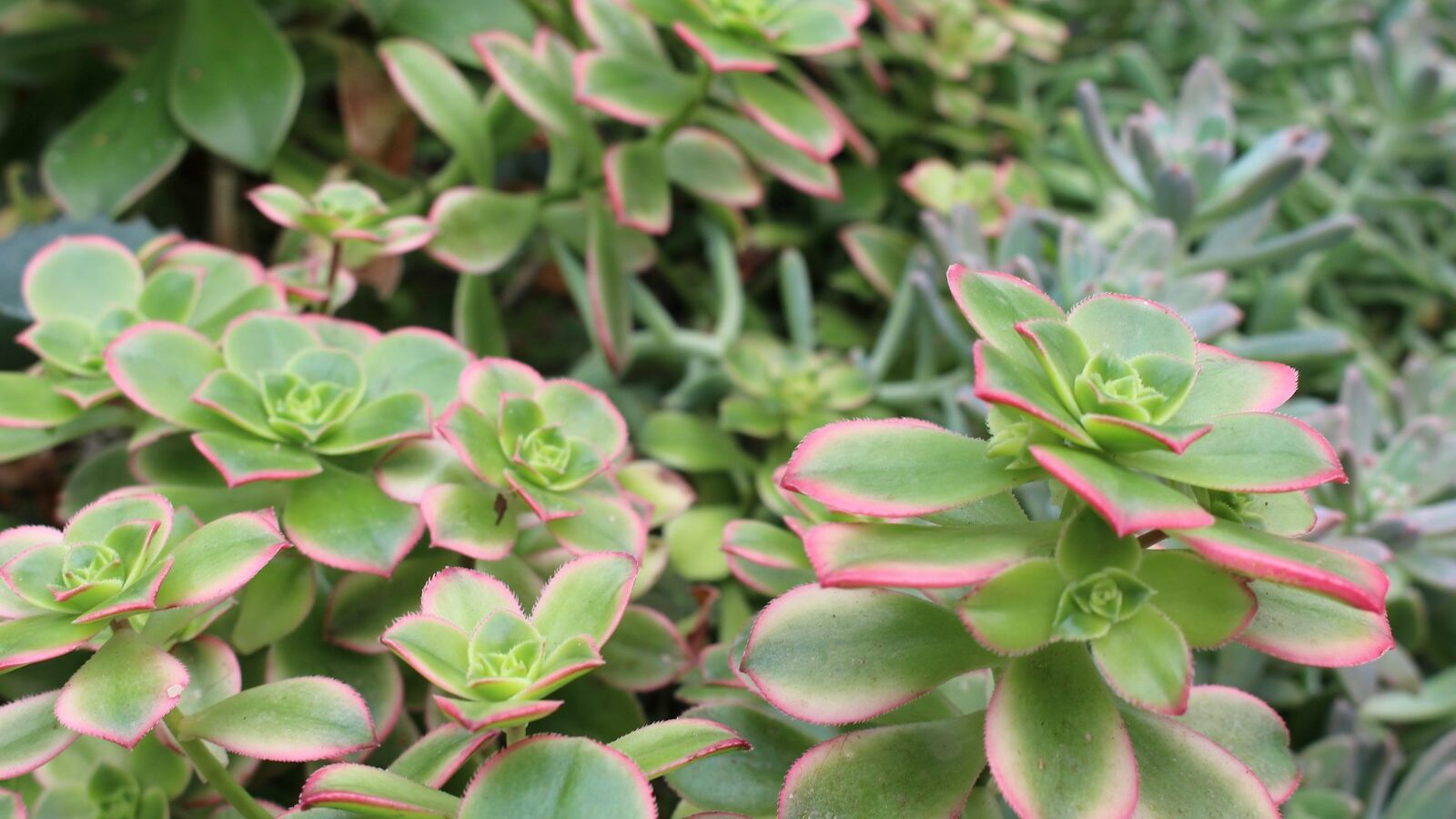
Xeriscaping is a thoughtful approach to landscaping that slashes outdoor water use while creating beautiful, resilient yards built for hot, dry climates. Despite the persistent myth, it has nothing to do with covering your yard in gravel and a lone cactus. Done well, a xeriscape is lush, colorful, and full of life, and it can cut your irrigation bill by 50 to 75 percent.
Key takeaways
- Xeriscaping = smart water use, not just rocks
- Group plants by water needs (hydrozoning)
- Drip irrigation + mulch cut water dramatically
- Use native & drought-tolerant plants
- Check local rebates for lawn removal
The word “xeriscape” combines the Greek xeros (dry) with “landscape,” and it describes a design philosophy rather than a single look. Below you’ll find the core principles that make any low-water landscape succeed, plus design ideas, regional plant suggestions, and the money-saving rebates that can pay for the whole project. For the bigger picture, see our pillar guide to outdoor living and backyard landscaping.
The seven principles of xeriscaping
Xeriscaping rests on a small set of principles developed by water utilities in the arid West. Together they form a system where each piece reinforces the others, so the result uses far less water than the sum of its parts.
Start with a plan and good design
Before buying a single plant, map your yard. Note where the sun beats down all afternoon, where shade lingers, where water naturally pools after a storm, and where the soil drains fast. These microclimates determine what will thrive and where. Sketch out zones for entertaining, play, and planting, and decide how much (if any) lawn you truly use. A plan prevents the costly mistake of putting a thirsty plant in a baking corner.
Group plants by water needs (hydrozoning)
Hydrozoning is the single most important habit in xeriscaping. Instead of scattering plants randomly, you cluster them by how much water they want:
- High-water zone: small, near the patio or entry, for a few showpiece plants or a tiny patch of lawn.
- Moderate-water zone: the transition area with adaptable shrubs and perennials.
- Low-water zone: the bulk of the yard, planted with natives and drought-tolerant species that survive on rainfall once established.
Hydrozoning lets you irrigate each area on its own schedule, so you never waste water giving a thirsty drink to a plant that prefers it dry.
Improve the soil
Healthy soil is a reservoir. Working compost into beds improves both drainage in clay soils and water retention in sandy ones, giving roots a steady supply between waterings. The exception is areas reserved for cacti, succulents, and many natives, which actually prefer lean, fast-draining soil. Test your soil first, then amend to match the plants you’ve chosen for each zone.
Efficient irrigation: drip and smart watering
How you deliver water matters as much as how much you use. Overhead spray sprinklers lose a large share of every gallon to evaporation, wind, and runoff. Drip irrigation delivers water slowly to the root zone, where plants can actually use it, with efficiency rates above 90 percent.
Why drip wins for low-water yards
- Water goes straight to roots, minimizing evaporation loss.
- Dry foliage and dry pathways mean fewer weeds and less disease.
- Emitters can be matched to each plant’s needs within a hydrozone.
- A smart controller with a rain or soil sensor skips watering when nature handles it.
If you’re weighing your options, our deep dive on drip vs sprinkler irrigation breaks down cost, coverage, and which to use where. Water early in the morning to reduce evaporation, and water deeply but infrequently to encourage roots to grow down and become drought-resilient.
Mulch: the unsung hero
A two to four inch layer of mulch over your beds is one of the cheapest, highest-impact moves in any xeriscape. Mulch shades the soil, slows evaporation, suppresses weeds that would otherwise steal moisture, and moderates soil temperature so roots stay comfortable.
- Organic mulch (bark, wood chips, shredded leaves) breaks down to feed the soil and suits most planting beds.
- Inorganic mulch (gravel, decomposed granite, crushed stone) is permanent and pairs beautifully with succulents, cacti, and native desert plants.
Keep mulch a couple inches back from plant stems and tree trunks to prevent rot, and top up organic mulch once a year as it decomposes.
Free, no-obligation quote · Connect with a local pro
Turf alternatives: rethinking the lawn
A traditional lawn is usually the thirstiest feature in any yard, often accounting for the majority of residential outdoor water use. You don’t have to eliminate grass entirely, but shrinking it or swapping it is where the biggest savings live.
- Low-water turf: buffalograss and blue grama are native bunchgrasses that need a fraction of the water of Kentucky bluegrass.
- Groundcovers: creeping thyme, dymondia, and native sedges form a walkable green carpet without the mowing.
- Hardscape: permeable pavers, flagstone, and decomposed granite create patios and paths that let rain soak in.
- Planted beds: replace open lawn with sweeping beds of perennials and grasses for color and habitat.
For more ways to reduce upkeep along the way, see our guide to low-maintenance landscaping ideas.
Design ideas that prove it’s not just rocks
This is where xeriscaping gets fun. The best low-water landscapes layer texture, color, and form so they read as rich and intentional, not barren. Mix several of the ideas below for a yard with year-round interest.
Gravel and rock gardens
Gravel and rock gardens use stone as a backdrop, not the whole show. Set boulders in naturalistic groupings, run paths of decomposed granite, then tuck drought-tolerant perennials, agaves, and flowering shrubs between the rocks. The stone radiates warmth and sets off the plants’ silhouettes.
Native plant beds
Beds built around plants native to your region are the heart of a thriving xeriscape. Natives evolved with your local rainfall and soil, so once established they need little supplemental water and they feed local pollinators and birds. Layer tall grasses behind mid-height flowering perennials and low groundcovers for a meadow-like effect.
Succulent and cactus gardens
Succulents bring sculptural shapes and surprising color, from the blue rosettes of agave to the chartreuse and burgundy of sedums and aloes. They store water in their leaves, so they shrug off drought. Plant them in fast-draining soil mounded slightly for drainage, and explore the many types of succulents suited to your climate before you buy.
Ornamental grasses
Few plants give more movement and softness than ornamental grasses. Muhly grass produces clouds of pink in fall, deergrass forms graceful fountains, and blue oat grass adds steely color. They sway in the breeze, glow when backlit, and provide winter structure when most perennials have gone dormant.
Dry creek beds
A dry creek bed is a shallow channel lined with river rock and cobble that mimics a seasonal stream. It looks great year-round and does double duty by channeling and slowing stormwater runoff, directing it toward planted areas where it can soak in. Edge it with grasses and perennials and it becomes a focal point that solves a drainage problem at the same time.
Regional plant suggestions
“Drought-tolerant” is relative to where you live. The plants that sail through a Phoenix summer differ from those built for coastal California or the high plains. Always confirm a plant is suited to your USDA hardiness zone and check whether it’s considered invasive locally.
Southwest (Arizona, New Mexico, Nevada)
- Desert marigold and globe mallow for long-blooming color
- Red yucca, agave, and ocotillo for structure
- Texas sage and desert willow as flowering shrubs and small trees
- Penstemon and brittlebush for pollinators
California and the Mediterranean West
- California poppy, ceanothus, and manzanita for that classic native look
- Lavender, rosemary, and salvia for fragrance and bees
- Toyon and coffeeberry as evergreen shrubs
- Deergrass and California fescue for soft texture
Mountain West and high plains
- Blue grama and buffalograss for low-water turf
- Rocky Mountain penstemon, blanketflower, and yarrow for blooms
- Rabbitbrush and Apache plume as tough native shrubs
- Russian sage for late-season purple haze
Your local native plant society or county extension office is the best source for region-specific lists, and many run plant sales each spring and fall.
Free, no-obligation quote · Connect with a local pro
Maintenance, rebates, and real water savings
A xeriscape isn’t no-maintenance, but it is dramatically lower maintenance than a conventional yard once plants establish, usually over the first one to two growing seasons.
Ongoing care
- Water deeply during the establishment period, then taper off as roots deepen.
- Refresh mulch annually and pull the occasional weed before it seeds.
- Prune grasses back in late winter and deadhead perennials to extend bloom.
- Check and flush drip lines each season to catch clogged emitters.
Rebates and water savings
Many Western water districts pay homeowners to remove thirsty lawns. Programs in cities like Las Vegas, Los Angeles, and across the Southwest offer turf-replacement rebates that are often calculated per square foot of grass removed, sometimes covering a meaningful share of the conversion cost. Additional rebates may apply to smart irrigation controllers and rain barrels.
- Check your water utility’s website for current turf-removal and irrigation rebates.
- Read program rules first; most require pre-approval before you tear out the lawn.
- Expect outdoor water use to drop by half or more once the landscape matures.
- Factor in long-term savings on mowing, fertilizer, and your water bill.
Dispelling the “all rocks and cactus” myth
The biggest barrier to xeriscaping is the mental image of a gravel moonscape. That’s not xeriscaping; that’s “zeroscaping,” and it’s actually counterproductive. A yard of bare rock absorbs heat, raises temperatures around your home, kills soil life, and looks harsh.
A true xeriscape is layered and alive: flowering perennials, swaying grasses, shade trees, and yes, some stone and a few succulents, all working together. It supports butterflies and birds, stays cooler than a lawn, and rewards you with color through the seasons, all while sipping a fraction of the water. Smart water use, not deprivation, is the whole point.
Frequently asked questions
How much water can xeriscaping actually save?
Most homeowners cut outdoor water use by 50 to 75 percent once a xeriscape is established. Because outdoor irrigation is often the largest part of a household’s summer water bill, the savings on your monthly statement can be substantial.
Is xeriscaping really lower maintenance?
Yes, once plants establish over the first season or two. You’ll mow little or nothing, fertilize less, and water far less often. You’ll still refresh mulch, prune, and pull occasional weeds, but the overall workload drops significantly compared with a traditional lawn.
Will my yard look like a desert of rocks?
Only if you want it to. A well-designed xeriscape can be lush and colorful, full of flowering perennials, ornamental grasses, and shrubs. The “all rocks and cactus” look is a misconception, not a requirement.
Does xeriscaping work outside the desert?
Absolutely. Xeriscaping is a set of water-wise principles, not a regional style. Gardeners everywhere use hydrozoning, mulch, efficient irrigation, and locally adapted plants to build resilient, lower-water landscapes.
Are there rebates to help pay for it?
Often, yes. Many water utilities, especially in the West, offer rebates for removing turf, installing smart irrigation controllers, or adding rain barrels. Check your local water provider’s website and get pre-approval before starting work.
Featured project by Gensou Aquascaping
Want a low-water landscape designed?
Compare free, no-obligation quotes from vetted local landscapers near you.