

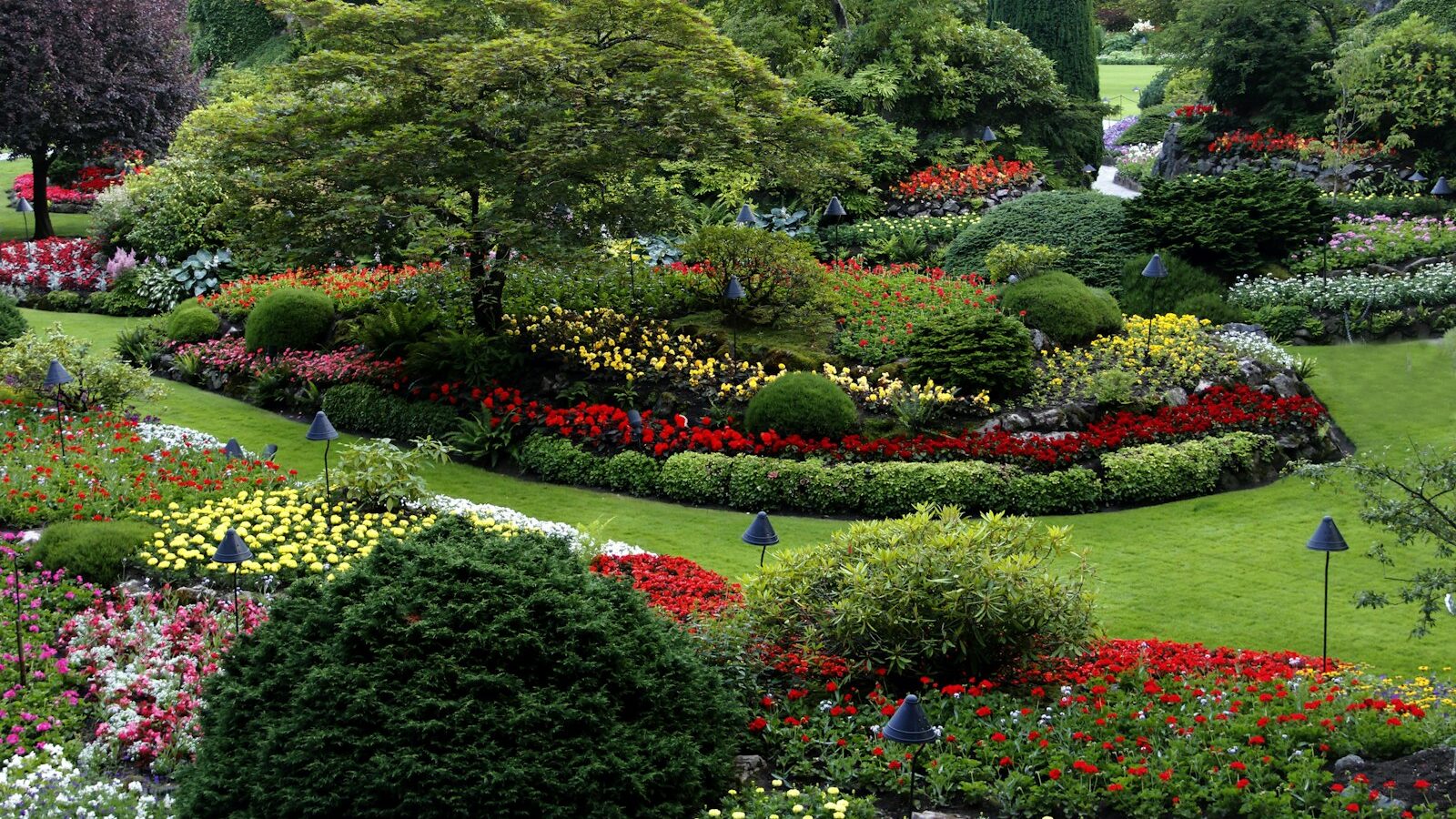
You don’t need a five-figure budget to transform your yard. Some of the biggest visual upgrades, fresh mulch, crisp edging, and a few well-placed plants, cost less than a nice dinner out. This guide walks through 30 budget landscaping ideas grouped by theme, with rough cost cues and money-saving tips so you can pick the wins that fit your wallet and your weekend.
Key takeaways
- Mulch & clean edging instantly lift any yard
- Grow from seed, division & cuttings to save big
- Choose perennials over annuals for long-term value
- DIY gravel paths & solar lights are cheap wins
- Phase the work to spread the cost
Before you spend a dollar, walk your property and make a simple list ranked by impact. The ideas below are loosely ordered from fastest payoff to longer-term projects, and they pair naturally with our outdoor living guide if you want the full picture on planning an outdoor space.
Quick wins: mulch, edging, and fresh patches
If you only have one weekend and a hundred bucks, start here. These three jobs deliver the highest visual return per dollar of anything in landscaping, and none of them require special skills.
1. Refresh your mulch
A fresh 2 to 3 inch layer of mulch makes beds look instantly maintained, suppresses weeds, and holds moisture so you water less. Bagged hardwood mulch runs about $3 to $5 per 2-cubic-foot bag, but buying in bulk by the cubic yard (roughly $30 to $45 delivered) is far cheaper if you have the space. Many municipalities give away free wood chips, and tree services will often drop a load at no charge.
- Call local tree-trimming crews and ask for free chip drops
- Check your city or county for free compost and mulch programs
- Don’t pile mulch against tree trunks, leave a small gap
2. Cut clean bed edges
A sharp, defined edge between lawn and bed is the single most underrated trick in budget landscaping. You can cut a clean trench edge with a $15 half-moon edger and nothing else. That crisp line reads as “professionally maintained” even when the rest of the yard is modest. Re-cut it twice a season to keep it looking sharp.
3. Patch bare lawn with sod or seed
Don’t re-sod the whole yard. Buy a few pieces of fresh sod ($4 to $8 per piece) to patch the worn, visible spots near the entry and walkway. For larger thin areas, overseeding with a $20 bag of grass seed plus a thin layer of compost fills in over a few weeks for pennies per square foot.
Free and cheap plants: division, cuttings, and seeds
Plants are where budgets quietly explode, so this is where the biggest savings live. With a little patience you can fill entire beds for almost nothing.
4. Divide perennials you already own
Hostas, daylilies, ornamental grasses, sedum, and irises all multiply on their own. Dig up a mature clump in spring or fall, slice it into two or three pieces with a spade, and replant. One $12 plant becomes a dozen over a few seasons, completely free.
5. Take cuttings
Many shrubs and perennials, hydrangea, lavender, rosemary, coleus, and willow among them, root easily from a cut stem stuck in moist soil or a glass of water. It costs nothing but time.
6. Start from seed
A $2 to $4 seed packet of zinnias, cosmos, sunflowers, or black-eyed Susans yields dozens of plants. Direct-sow them after your last frost for a season of color at a fraction of nursery prices.
7. Choose perennials over annuals
Annuals are cheap up front but die every year, so you pay again each spring. Perennials cost a little more once and return for years. They’re the smarter long-term value and the backbone of any low-maintenance landscaping plan.
- Shop end-of-season nursery clearance for 50 to 75 percent off perennials
- Join a local plant-swap group or Buy Nothing page for free divisions
- Buy small plants and quart pots, they catch up fast and cost less
Free, no-obligation quote · Connect with a local pro
DIY hardscape: gravel paths, pavers, and pallets
Hardscaping is usually the priciest part of a yard, but doing the labor yourself with budget materials puts it well within reach. For the full picture on what installed hardscape costs versus DIY, see our landscaping cost guide.
8. Lay a gravel path
Gravel is the cheapest hardscape surface there is. Dig out a few inches, lay landscape fabric, and pour crushed gravel or pea gravel ($30 to $50 per cubic yard in bulk). A simple, tidy path that costs a fraction of pavers or concrete.
9. Make a stepping-stone walk
Individual concrete pavers run about $2 to $5 each. Set them in the lawn or a gravel bed spaced a comfortable stride apart for an instant walkway. Reclaimed flagstone from a salvage yard or marketplace listing is even cheaper.
10. Build with free pallets
Heat-treated pallets (look for the “HT” stamp) are often free behind stores and become raised beds, vertical planters, compost bins, or simple furniture. A box of screws and an afternoon are all you add.
11. Try a paver patio kit
A small DIY paver patio (8 by 8 feet) in budget concrete pavers can come in around $150 to $300 in materials. Rent a plate compactor for a day to get it level and it’ll last for years.
- Source reclaimed brick and stone from demolition sites and salvage yards
- Buy gravel and sand in bulk, not bags, for big savings
- Rent specialty tools by the day instead of buying them
Curb appeal on a dime
The front of your house is the first thing everyone sees, including future buyers. A handful of cheap fixes here moves the needle most.
12. Paint the front door and house numbers
A $30 quart of exterior paint on the front door and a $15 set of modern house numbers can change the whole face of your home in an afternoon.
13. Add a symmetrical pair of planters
Two matching pots flanking the front door instantly look intentional and welcoming. Even thrifted or budget resin planters do the job.
14. Trim, shape, and tidy
Free but powerful: prune overgrown shrubs, pull weeds, edge the driveway, and clear gutters and walkways. Tidiness alone reads as care. For more on the beds behind the facade, our backyard landscaping ideas go deeper.
Container gardens and focal points
When you can’t afford to plant a whole bed, concentrate your money into a few high-impact spots that draw the eye.
15. Group containers for instant color
Cluster three pots of different heights together rather than scattering single ones. Use the classic “thriller, filler, spiller” mix, a tall centerpiece, a mounding middle, and a trailing edge, for a designer look with budget plants.
16. Upcycle free containers
Old wheelbarrows, buckets, crates, and colanders all make characterful planters. Drill a few drainage holes and you’ve saved $20 to $40 per pot.
17. Create one strong focal point
A single specimen tree, a piece of salvaged garden art, a birdbath, or a large boulder gives the eye somewhere to land. One well-chosen focal point does more than a dozen scattered cheap items.
18. Add a small water feature
A solar-powered pump in a thrifted ceramic bowl makes a tiny bubbling fountain for under $50, no plumbing or electrician required.
- Shop thrift stores and yard sales for unique containers and garden art
- Odd numbers (3s and 5s) of pots look more natural than pairs in beds
- Repeat one or two plant types for a cohesive, not cluttered, look
Lighting on the cheap: go solar
Lighting completely changes how a yard feels after dark, and solar means zero wiring and zero electricity cost.
19. Line paths with solar stakes
Solar path lights cost roughly $3 to $8 each and install by pushing them into the ground. A row along the walkway or driveway adds safety and a polished evening look.
20. String café lights
Solar or plug-in string lights ($15 to $30) strung over a patio or between posts create a warm, inviting “outdoor room” for the price of a takeout meal.
21. Uplight a tree or feature
Aim a couple of solar spotlights up at a nice tree or the house facade for dramatic, gallery-style nighttime appeal at almost no cost.
- Buy solar lights in multi-packs for the lowest per-unit price
- Place panels where they get full afternoon sun for brighter output
- Warm white bulbs feel cozier than cool blue-white
Free, no-obligation quote · Connect with a local pro
More high-impact, low-cost ideas
A grab bag of smaller projects that punch above their price.
- 22. Replace lawn with ground cover in shady or awkward spots, creeping thyme and clover cut mowing and water bills.
- 23. Build a simple raised bed from $15 of lumber for veggies or flowers.
- 24. Add a gravel or mulch “no-mow” zone under trees where grass struggles anyway.
- 25. Define a seating nook with two thrifted chairs and a gravel pad.
- 26. Use large rocks as free edging if you have them on site.
- 27. Mass-plant one species for a bold, cheap drift instead of singles.
- 28. Make a DIY trellis from scrap wood or wire for climbing vines.
- 29. Start a compost pile for free soil amendment and mulch over time.
- 30. Phase the work over seasons so cost spreads out, see below.
Phasing the work to spread the cost
The smartest budget move isn’t a single idea, it’s pacing. Trying to do everything at once is what makes landscaping feel expensive. Break the yard into zones and tackle one per season or per paycheck.
- Phase 1, quick wins: mulch, edging, cleanup, and a few patches. Under $200, one weekend.
- Phase 2, plants: divisions, seeds, and clearance perennials as the season allows.
- Phase 3, hardscape: save up for one gravel path or small patio at a time.
- Phase 4, finishing touches: solar lighting, containers, and focal points last.
Phasing also lets you learn what works in your yard before committing money to bigger projects. For the broader plan that ties all of this together, revisit our outdoor living guide.
Frequently asked questions
What is the cheapest way to landscape a yard?
The cheapest high-impact route is fresh mulch, sharply cut bed edges, and a thorough cleanup, often under $200 for a typical yard. From there, fill beds with divided perennials, cuttings, and seeds you grow yourself rather than buying mature nursery plants.
How much should I budget for a basic landscaping refresh?
A simple refresh, mulch, edging, a few plants, and solar lights, can be done for $300 to $600 in materials if you do the labor yourself. Larger projects like patios or paths add a few hundred more each. See our landscaping cost guide for installed-versus-DIY numbers.
Are perennials really cheaper than annuals?
Over time, yes. Annuals cost less per plant but must be repurchased every spring, so the cost repeats indefinitely. Perennials cost a bit more once and return for years, and they multiply through division, making them far cheaper long-term.
Where can I get free or very cheap plants?
Divide perennials you already own, take cuttings, and grow from seed. Beyond that, check Buy Nothing groups, local plant swaps, end-of-season nursery clearance, and neighbors thinning their beds. Free wood chips from tree services cover your mulch needs.
Can I really DIY hardscaping to save money?
Yes. Gravel paths, stepping-stone walks, pallet projects, and small paver patios are all beginner-friendly. The savings come from supplying your own labor and buying materials in bulk or reclaimed. Rent specialty tools by the day rather than buying them.
Featured project by Gensou Aquascaping
Want affordable landscaping quotes?
Compare free, no-obligation quotes from vetted local landscapers near you.