

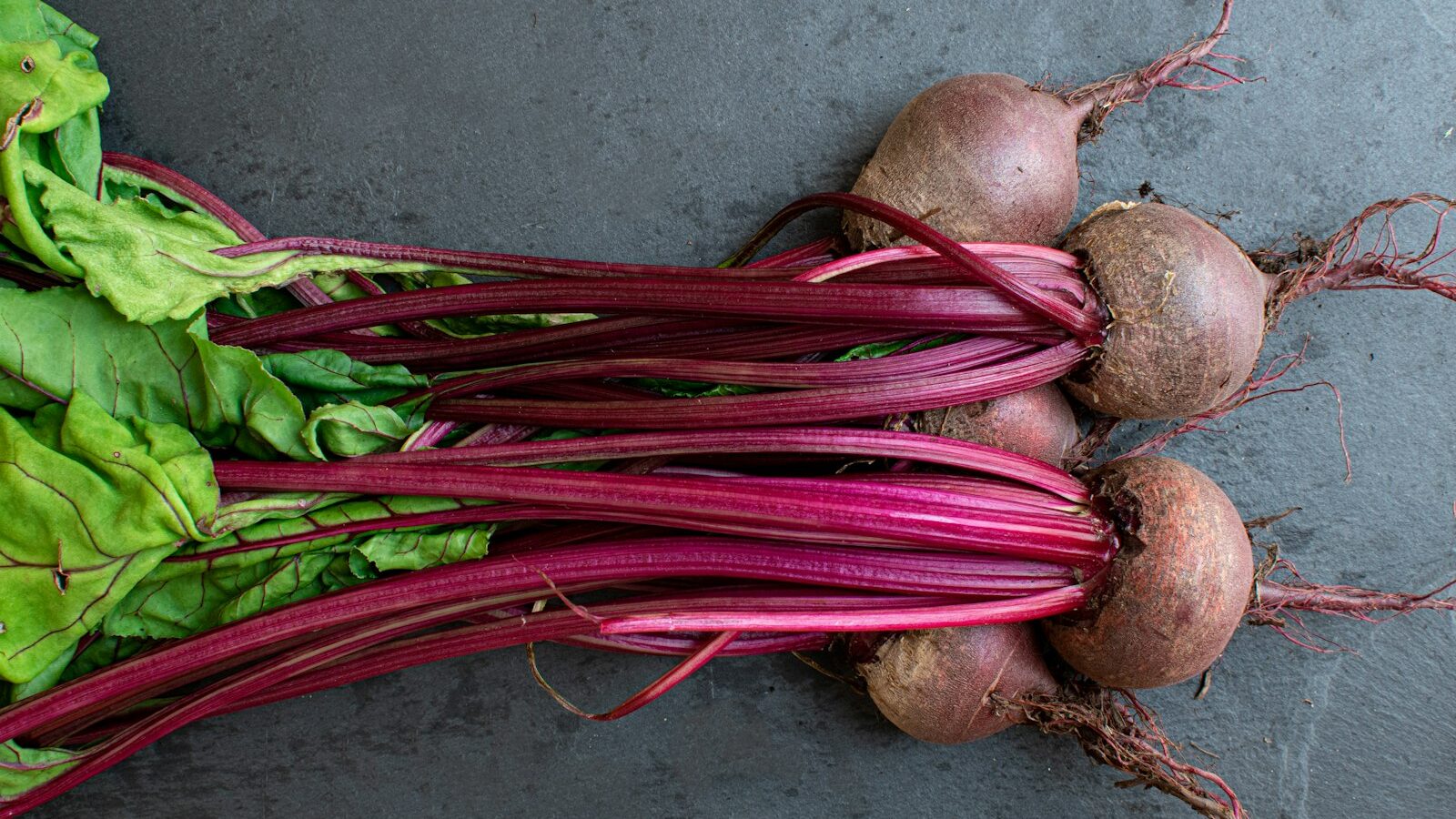
You pull a beet you have been waiting weeks for, slice into it, and instead of the tender, sweet, deep-red flesh you expected, you get something tough, fibrous, and chewy — sometimes with pale white rings running through it and a harsh, overly earthy taste. Woody beets are one of the most common disappointments in the home vegetable garden, and almost every case traces back to one of a few causes. The biggest culprits are heat stress, because beets are a cool-season crop that turns tough when grown in warm weather, and over-maturity, when roots sit in the ground too long, swell past their prime, and go fibrous. Inconsistent watering and compacted, rocky, or poor soil round out the list. The encouraging news is that every one of these is something you control. This guide walks through each cause, how to recognize it in your own beds, and exactly what to do so your next harvest comes out crisp and sweet.
Key Takeaways
- Beets are a cool-season crop. They grow best at 50 to 70F and turn woody and white-ringed when grown in heat above about 80F.
- Harvest beets young, at 1.5 to 3 inches in diameter — golf ball to small fist. Anything bigger than roughly 3 inches goes fibrous.
- Most varieties mature in 50 to 70 days; left in the ground past that, roots grow large, tough, and lose their sweetness.
- Beets need consistent moisture, about 1 inch of water per week. Drought followed by heavy watering builds tough, cracked roots.
- Loose, rock-free, well-drained soil produces smooth, tender roots; compacted or stony soil forces forked, woody beets.
Cause 1: Heat Stress and Warm-Season Growing
This is the single most common reason beets turn out tough. Beets are a cool-season vegetable, bred for the mild temperatures of spring and fall. Their sweet spot is roughly 50 to 70F. When the plants are pushed through warm weather — daytime temperatures climbing above about 80F — the root responds by laying down tough, woody fibers and pale concentric white rings, and the flavor turns sharp and unpleasantly earthy instead of sweet. Heat also pushes the plant toward bolting (sending up a flower stalk), and a bolting beet diverts its energy away from a tender root entirely. Gardeners who sow a single crop in late spring and let it ride into the summer heat are the classic victims of this problem.
How to diagnose it
Think about when your beets were sizing up. If the bulk of their growth happened during a stretch of hot weather — say, June and July in most regions — heat is almost certainly the cause. Cut a root in half: the pale white rings alternating with the red are a telltale sign of heat and stress during development. A strong, almost dirt-like earthy bite rather than sweetness points the same way. If you also see plants stretching upward and forming a central flower stalk, that bolting confirms the plant felt the heat. Cool-season-grown beets, by contrast, slice clean and deep red throughout.
How to fix it
You cannot cool the weather, but you can change your timing, which fixes this completely. Grow beets as a spring and a fall crop, not a summer one. For spring, sow as soon as the soil can be worked so the roots mature before the real heat arrives. For fall — often the better, sweeter crop — sow about 8 to 10 weeks before your first expected frost so the beets size up as temperatures fall; a touch of cool weather actually sweetens them. If you are mid-season and a heat wave is bearing down on an immature crop, buffer it: mulch heavily with straw or shredded leaves to keep the root zone cool, water deeply in the early morning, and drape 30 to 50 percent shade cloth over the bed during the hottest part of the afternoon. In hot climates, choosing bolt-resistant varieties also helps. If your summers are simply too brutal, lean on the fall planting window, when cooling nights produce the most tender, sugary roots. For more on timing cool-season crops around your local frost dates, see our notes on plant and flower care.
Cause 2: Over-Maturity — Left in the Ground Too Long
Even in perfect cool weather, a beet left in the ground too long will turn woody. There is a strong temptation to let beets keep growing because bigger looks like more food, but with beets the opposite is true: the larger the root grows, the tougher and more fibrous it becomes. A beet is at its best when it is young and small. The ideal harvest size is 1.5 to 3 inches in diameter — roughly golf ball to small fist. Once a root pushes past about 3 inches, the flesh coarsens, woody fibers develop, the white rings appear, and the sweetness fades. Most varieties reach that prime window in 50 to 70 days from sowing, and leaving them well beyond their days-to-maturity is asking for tough beets.
How to diagnose it
Brush the soil away from the crown of a beet or two and look at the shoulders pushing up at the soil line. If they are wider than about 3 inches across — clearly bigger than a golf ball, heading toward a fist — they are past their prime. Check the calendar against your sowing date: if it has been well over 70 days, the roots are likely over-mature. A giant, heavy, hard root that resists the knife is over-maturity in plain sight. Smaller beets pulled from the same bed will usually be noticeably more tender, which confirms that size, not some other factor, is the problem.
How to fix it
Harvest on time and harvest young. Start checking root size around the days-to-maturity printed on your seed packet — usually 50 to 70 days — and pull beets while they are still in the 1.5 to 3 inch range. There is no penalty for picking them a little small; small beets are the sweetest and most tender of all. Rather than sowing one big planting that all matures at once and then sits, sow short rows every two to three weeks for a staggered, succession harvest, so you always have beets at the right size and none get a chance to go woody waiting their turn. If you have already grown roots too large, the very biggest ones are best slow-roasted or shredded, which softens the fibers; do not expect them to be tender raw.
Cause 3: Inconsistent Watering
Beets are roots, and roots are sensitive to swings in soil moisture. When a beet is allowed to dry out and then gets a heavy soaking, then dries again, the inconsistent growth that follows builds toughness, fibrous texture, and sometimes splitting or cracking of the root. Drought stress in particular hardens the flesh and concentrates that harsh earthy flavor. The plant simply cannot lay down smooth, tender, sweet tissue when its water supply is lurching up and down. Steady, even moisture is what produces a crisp, uniform root.
How to diagnose it
Be honest about your watering habits and your weather. If the bed went through dry spells — soil cracking, leaves wilting in the afternoon — followed by catch-up soakings, uneven moisture is a likely contributor. Cracked or split roots are a strong signal of feast-or-famine watering, where a dry root swells fast after a sudden drink. Beets grown in fast-draining sandy soil or in containers, which dry out quickly, are especially prone to this. If the texture is tough but the beets were harvested young and grown in cool weather, look hard at your watering as the remaining explanation.
How to fix it
Aim for consistent moisture: about 1 inch of water per week, including rainfall, delivered steadily rather than in erratic bursts. Water deeply so the moisture reaches the whole root zone, and let the top inch of soil dry slightly between waterings rather than swinging between bone-dry and soggy. A 2 to 3 inch layer of straw or shredded-leaf mulch is the single most effective tool here — it buffers the soil against drying out, evens out the moisture, and keeps the root zone cool, which also helps with the heat problem. In hot, windy weather or for container-grown beets, check the soil more often, because they dry out faster than you expect. The goal is uninterrupted, steady growth from seedling to harvest.
Cause 4: Compacted or Poor Soil
A beet root has to push its way down and outward through the soil as it swells. When the soil is compacted, heavy clay, or full of rocks and clods, the root meets resistance — and resistance produces tough, woody, often misshapen or forked beets. Poor, hard ground also drains badly and holds nutrients unevenly, compounding the stress. Beets grown in loose, crumbly, rock-free soil glide outward into smooth, round, tender roots; beets fighting compacted ground spend their energy muscling through it and turn fibrous in the process.
How to diagnose it
Look at the shape of your roots as much as the texture. Forked, twisted, lumpy, or hairy beets are a clear sign the root hit rocks or hardpan and had to grow around obstacles. Dig a small test hole in the bed: if the soil is dense, sticky clay or you keep striking stones, that is your answer. Soil that comes out in a hard clod rather than crumbling loosely is too compacted for clean root crops. If your beets are tough and oddly shaped despite cool-season timing, even water, and a young harvest, the soil is almost certainly the limiting factor.
How to fix it
Build the soil before you sow. Loosen the bed to a depth of at least 8 to 10 inches and work in plenty of finished compost to lighten the texture, improve drainage, and feed the crop gently. Remove rocks, stones, and large clods from the top several inches where the roots will form. If your native ground is heavy clay or stubbornly compacted, the simplest fix is a raised bed or a deep container filled with a loose, compost-rich blend, which gives roots an unobstructed run downward. Avoid fresh manure and heavy nitrogen, which push leafy tops at the expense of good roots; a balanced amendment is plenty. Finally, thin your seedlings — beet “seed” is actually a cluster that sprouts several plants, so thin them to about 3 to 4 inches apart so each root has room to size up without crowding and competing, which itself can stunt and toughen the crop. Gardeners working small or paved spaces will find our guide to urban and container gardening useful for setting up a deep, loose bed.
Prevention: How to Grow Tender, Sweet Beets Every Time
Tough beets are almost entirely preventable once you understand what the plant wants. Treat beets as the cool-season crop they are: sow in early spring so they mature before the heat, and again in late summer for a fall crop that ripens into cooling weather, which produces the sweetest, most tender roots of the year. Give them loose, deep, rock-free soil enriched with compost so the roots can swell without resistance, and thin seedlings to 3 to 4 inches apart so each one has room. Keep moisture steady at about an inch a week, mulch to even out both moisture and soil temperature, and never let the bed swing from drought to flood. Then — the step gardeners most often skip — harvest on time and harvest young, pulling roots at 1.5 to 3 inches across and starting to check size around 50 to 70 days from sowing rather than letting them balloon. Stagger your sowings every couple of weeks so you always have beets at peak size and none sit long enough to go woody. Do those things and tough, white-ringed beets become a thing of the past. For more on building productive beds and matching crops to your conditions, see our overview of plant and flower care.
Frequently Asked Questions
What size should I harvest beets to avoid woodiness?
Harvest beets at 1.5 to 3 inches in diameter — roughly golf ball to small fist. Once a root grows past about 3 inches it turns fibrous and woody with pale white rings. Smaller beets are the sweetest and most tender, so there is no harm in picking early.
Does hot weather make beets tough?
Yes. Beets are a cool-season crop that grows best at 50 to 70F. When grown in heat above about 80F the roots become woody, develop white rings, and taste harshly earthy instead of sweet. Heat can also trigger bolting. Grow beets as a spring and fall crop to avoid it.
Why do my beets have white rings inside?
Pale concentric white rings are a classic sign of heat stress and uneven growing conditions during the root’s development. They show up most often in beets grown through warm weather or left to over-mature. Cool-season growing and a timely harvest keep the flesh deep red throughout.
How much water do beets need?
Beets need consistent moisture, about 1 inch of water per week including rainfall. Erratic watering — drought followed by heavy soaking — builds tough, fibrous, sometimes cracked roots. Water deeply and evenly, and mulch with straw to hold moisture steady and keep the soil cool.
How long do beets take to mature?
Most beet varieties mature in 50 to 70 days from sowing. Start checking root size around that point and harvest while they are 1.5 to 3 inches across. Leaving them in the ground much longer lets them grow large, fibrous, and woody, so harvest on time rather than waiting for size.