

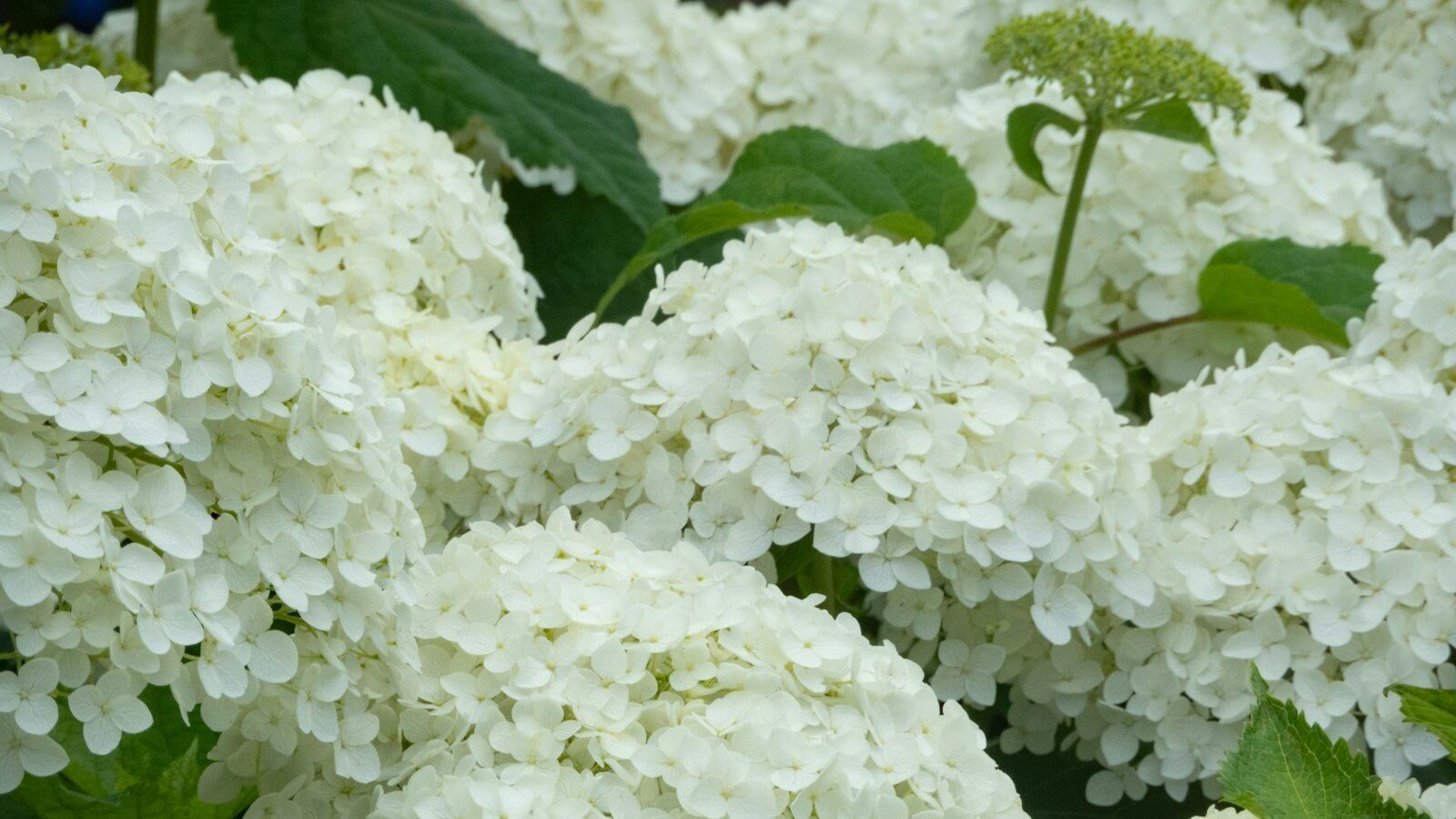
Limelight hydrangea (Hydrangea paniculata ‘Limelight’) is one of the easiest flowering shrubs to grow: give it at least four to six hours of sun, well-drained soil and steady water in its first two summers, then prune it in late winter or early spring because it blooms on new wood. It is hardy in USDA zones 3 to 8, grows about 6 to 8 feet tall and wide, and produces large, upright, cone-shaped flower heads that open lime green in midsummer, turn creamy white, and age to pink and burgundy in fall. Unlike bigleaf hydrangeas, its flower color does not depend on soil pH, and late frosts rarely cost you a season of blooms. Here is how to plant, prune, size and troubleshoot it.
Part of our Flowers & Perennials guide →
In this guide
Key Takeaways
- Plant in full sun to part sun; in zones 7 and 8, afternoon shade helps in hot summers.
- Expect 6 to 8 feet tall and wide; space plants 6 to 8 feet apart, or choose Little Lime or Limelight Prime for smaller spaces.
- Prune in late winter or early spring, cutting back by about a third; it blooms on new growth.
- Water deeply about once or twice a week for the first two summers, then during dry spells.
- Flower color is not affected by soil pH; blooms naturally shift from lime to white to pink.
Limelight Hydrangea at a Glance
| Trait | Details |
|---|---|
| Botanical name | Hydrangea paniculata ‘Limelight’ |
| Hardiness | USDA zones 3 to 8 |
| Mature size | About 6 to 8 feet tall and wide |
| Light | Full sun to part shade (at least 4 to 6 hours of sun) |
| Bloom time | Midsummer to fall |
| Flower color | Lime green, then white, aging to pink and burgundy |
| Blooms on | New wood (current season’s growth) |
| Soil | Moist, well-drained; tolerates a wide pH range |
| Prune | Late winter to early spring |
Sun and Location
Limelight is the most sun-tolerant group of hydrangeas. In zones 3 through 6, full sun gives the sturdiest stems and the most flowers. In the hotter parts of zones 7 and 8, especially the South and lower Midwest, morning sun with afternoon shade keeps leaves from scorching and flowers from browning in July heat. Too much shade, less than about four hours of direct sun, leads to fewer, smaller blooms and weak, floppy stems.
Choose a spot with good air circulation, room for its full size, and soil that drains after rain. Limelight tolerates clay better than many shrubs but does not like standing water. For help matching hydrangea types to your light, see hydrangeas for sun and shade.
Sizing: Limelight vs Its Smaller Cousins
The most common Limelight mistake is planting it where it will not fit. A standard Limelight easily reaches 6 to 8 feet in both directions, and pruning hard every year to keep it at 3 feet produces lots of weak stems with heavy flowers. If your space is smaller, choose a compact cultivar:
- Little Lime: a dwarf version, usually about 3 to 5 feet tall and wide, with the same lime-to-pink flower progression. Good for foundation beds and large containers.
- Limelight Prime: a more compact, sturdier-stemmed selection, generally in the 3- to 6-foot range, that blooms a little earlier and colors pink sooner.
- Limelight tree form: grafted or trained onto a single trunk, which lifts the flowers off the ground and suits narrow spaces.
Space standard Limelight 6 to 8 feet apart center to center for individual shrubs, or about 5 feet apart if you want a continuous hedge. Keep it at least 3 to 4 feet from walls and walkways.
Planting
Plant in spring or early fall when temperatures are mild. Fall planting in zones 5 to 8 gives roots time to establish before summer heat.
- Dig a hole two to three times as wide as the root ball and just as deep.
- Loosen circling roots and set the plant so the top of the root ball sits level with or slightly above the surrounding soil.
- Backfill with the native soil. Mixing in a little compost is fine, but avoid creating a pocket of rich soil that holds water in clay.
- Water deeply to settle the soil.
- Mulch 2 to 3 inches deep over the root zone, keeping mulch a few inches away from the stems.
Pruning Limelight Hydrangea
Because Limelight blooms on new wood, pruning at the right time does not cost you flowers. Prune in late winter or early spring, before new growth starts, roughly February to April depending on your zone. Some gardeners leave the dried flower heads on through winter for interest and snow-catching texture, then prune in spring.
How much to cut
- Standard annual pruning: cut back the previous year’s stems by about one-third of the shrub’s total height, cutting just above a pair of buds.
- Leave a framework: keep a sturdy base of stems about 18 to 30 inches tall rather than cutting to the ground. Thicker, older wood at the base supports the heavy flower heads and reduces flopping.
- Thin: remove weak, spindly, crossing or dead stems at the base, and a few of the oldest stems on mature shrubs to keep the center open.
- Shape: step back and aim for a rounded, slightly vase-shaped outline.
Light pruning gives a taller shrub with more, slightly smaller flowers. Harder pruning gives fewer, larger flowers on longer stems, which are more likely to flop. Most Limelights look best with moderate pruning. Our general guide on how to prune hydrangeas explains how timing differs for other types.
Deadheading
Deadheading is optional. Limelight does not rebloom from deadheading the way some shrubs do, and the aging flowers are part of its appeal. Cut fresh flowers for arrangements anytime; for dried flowers, cut them in late summer when they feel papery.
Watering
New plants need consistent moisture to establish. For the first two summers, water deeply once or twice a week, enough to soak the root zone, more often in hot, dry spells and in sandy soil. Once established, Limelight tolerates short dry periods but wilts and browns its flowers in prolonged drought; give it about an inch of water a week when rain falls short. Water at the base in the morning. Wilting at midday in extreme heat is normal if the plant perks up by evening; wilting in the morning means it needs water.
Fertilizing
Limelight is not a heavy feeder. In spring, as new growth begins, apply a balanced slow-release shrub fertilizer according to label rates, or top-dress with an inch of compost. Avoid high-nitrogen lawn fertilizer near the roots, which produces lush leaves, weak stems and fewer flowers. Stop feeding by midsummer so new growth can harden before winter.
Why Limelight Flowers Change Color
Panicle hydrangea flowers change with age and temperature, not soil chemistry. Limelight’s flowers open chartreuse to lime green in midsummer, fade to creamy white, then take on pink, rose and burgundy tones as nights cool in late summer and fall. Cool nights intensify the pink. Adding aluminum sulfate or lime will not turn them blue or change the color, and the flowers stay lime longer in shadier spots.
Common Problems
Floppy stems
The number one complaint. Causes include too much shade, pruning too hard every year, excess nitrogen and heavy rain on large flower heads. Fix it by giving the plant more sun, leaving a taller framework when pruning, skipping high-nitrogen fertilizer and, if needed, using a peony ring or discreet stakes. Limelight Prime has notably sturdier stems.
No flowers
Usually too little sun, a very young plant still establishing, or heavy nitrogen feeding. Pruning in late spring or summer can also remove developing flower buds. See why hydrangeas do not bloom for a full checklist.
Brown flowers or leaves
Heat and drought stress are the usual cause, especially in afternoon sun in warm zones. Water deeply, mulch, and consider moving the plant to a spot with afternoon shade. Leaf spots in humid summers are usually cosmetic; improve airflow and avoid wetting the foliage.
Pests
Limelight has few serious pests. Aphids and spider mites appear occasionally in hot, dry weather; a strong water spray usually handles them. Deer browse panicle hydrangeas less than bigleaf types, but hungry deer will still eat tender new growth.
Seasonal Care Calendar
- Late winter to early spring: prune by about a third, remove dead and weak stems, and refresh mulch to 2 to 3 inches.
- Spring: apply slow-release shrub fertilizer or compost as buds break. Plant new shrubs once the ground is workable.
- Early summer: water deeply during dry spells; flower heads begin forming at stem tips.
- Midsummer: flowers open lime green. Watch for wilting in heat waves, and stake any heavy stems before storms.
- Late summer to fall: flowers turn white, then pink. Cut some for drying. Stop fertilizing and keep watering until the ground freezes in a dry fall.
- Winter: leave dried flower heads for interest if you like. No winter protection is needed for in-ground plants in zones 3 to 8.
Limelight in Containers and Hedges
For containers, choose Little Lime or Limelight Prime and a pot at least 18 to 24 inches across with drainage holes. Containers dry out quickly, so check daily in summer. In zones 3 to 5, move pots into an unheated garage or insulate them for winter, since roots in pots are more exposed to cold than roots in the ground. As a hedge, Limelight makes a dense, flowering screen; plant 5 feet apart and prune each spring to an even height. For more on related shrubs, see our flowers and perennials hub and the broader guide to panicle hydrangea care.
Frequently Asked Questions
When should I prune Limelight hydrangea?
Late winter or early spring, before new growth begins. It blooms on new wood, so pruning then does not remove flowers. Avoid pruning after midsummer.
How big does a Limelight hydrangea get?
About 6 to 8 feet tall and wide at maturity. Little Lime stays around 3 to 5 feet, and Limelight Prime is more compact than the original.
Can Limelight hydrangea take full sun?
Yes. It handles full sun well in zones 3 to 6. In the hottest parts of zones 7 and 8, afternoon shade helps prevent scorching and wilting.
Why are my Limelight hydrangea flowers turning pink?
It is normal. Limelight flowers age from lime green to white to pink and burgundy, especially as nights cool in late summer and fall. Soil pH does not affect it.
Why is my Limelight hydrangea drooping?
Usually heavy flower heads on stems weakened by too much shade, hard pruning or excess nitrogen, or simple heat and drought stress. Water deeply and adjust pruning and siting.