

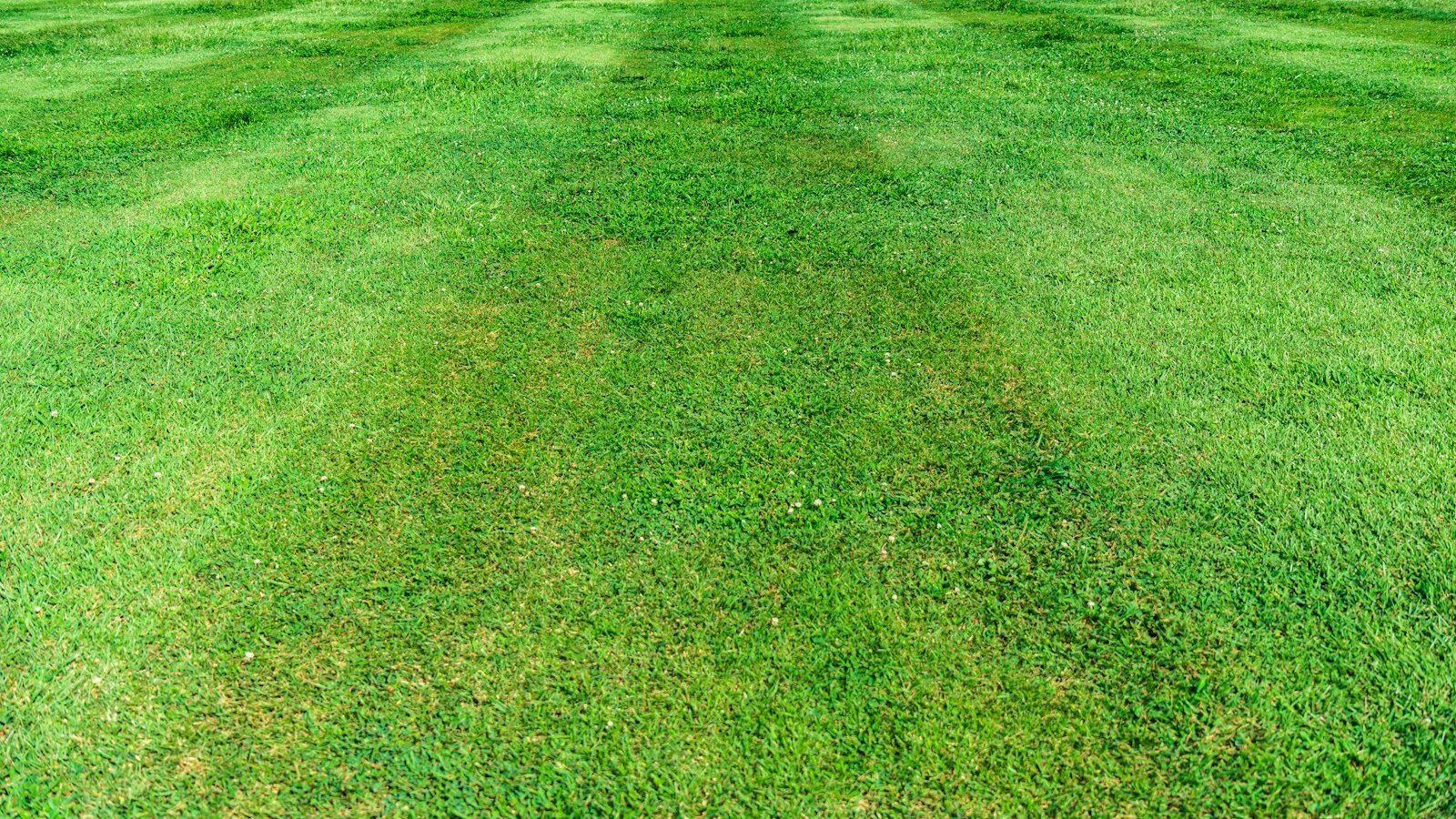
Those round brown patches with suspiciously green rings around them are the unmistakable signature of a dog using your lawn as a bathroom. The good news is that dog urine spots are entirely fixable, and once you understand why they happen you can stop most of them from forming in the first place. The cause isn’t acidity, as is often claimed — it’s nitrogen overload. This guide explains exactly what’s happening to the grass, walks through repairing existing spots step by step, and lays out a prevention plan covering watering, diet, lawn habits, and the products that actually help.
Key Takeaways
- Dog urine burns grass because it’s high in nitrogen and salts — a concentrated dose that overwhelms the turf, like over-fertilizing one tiny spot.
- The dark green ring around a dead spot is grass enjoying a diluted dose of that same nitrogen.
- Repair a spot by flushing the soil, raking out dead grass, loosening the surface, then reseeding or patching and keeping it moist.
- The most effective prevention is to water the area heavily right after your dog pees, diluting the nitrogen before it can burn.
- Designate a mulched or gravel potty area, keep your dog well hydrated, and avoid “cure” supplements that aren’t proven safe.
Why dog urine kills grass
Dog urine is rich in nitrogen, a breakdown product of the protein in your dog’s diet, along with various salts. Nitrogen is the main ingredient in lawn fertilizer, and grass loves it in moderation — but urine delivers a huge concentrated dose to one small spot all at once. The effect is identical to spilling fertilizer on the lawn: the grass in the center is chemically “burned” and dies, leaving a straw-colored dead patch. Around the edges, where the urine is more diluted, the grass gets a beneficial feeding and turns lush, dark green. That two-tone bullseye — dead center, bright green ring — is the classic giveaway and proves the problem is nitrogen, not pH.
Female dogs and puppies tend to cause more damage, not because their urine is more concentrated, but because they squat and empty the entire bladder in one spot. Male dogs that lift a leg and mark in small amounts across the yard spread the nitrogen out and cause fewer obvious patches. Larger dogs, dogs on very high-protein diets, and dogs that always use the same favorite spot also do more visible damage.
Is it the spot or something else?
Before you blame the dog, confirm the diagnosis. Urine spots are typically round or irregular, a few inches across, with that telltale greener ring of stimulated growth around dead centers. Fungal lawn diseases, by contrast, often form larger patches or rings without the lush border, and grub damage produces spongy turf that lifts away easily because the roots have been chewed. If the spots cluster where your dog habitually goes and have green halos, urine is the culprit. If you’re unsure, the green-ring test is your best clue — disease and drought won’t fertilize the surrounding grass.
How to repair an existing urine spot
Step 1: Flush the soil
Start by soaking the dead spot heavily with water — several gallons, enough to saturate the soil 6 inches down. This leaches the excess nitrogen and salts out of the root zone so they don’t kill new seed. Let it drain, and repeat the flush over a day or two for badly affected spots.
Step 2: Rake out the dead grass
Use a hard rake or hand cultivator to scratch out all the dead, brown blades and thatch from the center of the spot. You want to expose bare soil so new seed can make contact. Loosen the top half-inch of soil so it’s crumbly rather than compacted.
Step 3: Amend and level
Mix a little fresh topsoil or compost into the loosened area and rake it level with the surrounding lawn. Some gardeners sprinkle a thin dusting of garden lime or gypsum at this stage; lime won’t reverse the burn (the issue isn’t acidity), but gypsum can help displace residual salts. The real work is the flushing in step one.
Step 4: Reseed or patch
Sow grass seed that matches your existing lawn — a labeled “sun and shade” or repair mix works for most cool-season lawns, while warm-season lawns (Bermuda, zoysia, St. Augustine) usually spread best from plugs or sod patches rather than seed. Pre-mixed lawn-repair products that combine seed, a starter fertilizer, and mulch in one bag are convenient for small spots. Press the seed into firm contact with the soil and cover lightly.
Step 5: Keep it moist and protected
Water the patch lightly once or twice a day to keep the surface consistently damp until the new grass is established — usually two to three weeks for cool-season types. Keep the dog (and foot traffic) off the repair until the grass is mowed at least twice. A temporary fence, a few stakes with string, or a piece of garden netting will protect the spot during this window.
How to prevent dog urine spots
Water the spot immediately
This is by far the most effective tactic. If you follow your dog out and pour a watering can or a bucket of water over the spot within a few minutes of urination, you dilute the nitrogen enough that it feeds rather than burns the grass. Keep a watering can or a hose with a sprayer near the door for quick action. It sounds tedious, but it genuinely works and requires no changes to your dog.
Create a designated potty area
Train your dog to relieve itself in one area surfaced with mulch, gravel, pea stone, or artificial turf rather than on the lawn. Take the dog there on a leash, reward going in the right spot, and be consistent. Once the habit forms, the rest of the lawn is spared. This is the most durable long-term fix, especially for dogs that squat in one place.
Keep your dog well hydrated
The more water a dog drinks, the more dilute its urine, and dilute urine carries less nitrogen per spot. Always provide fresh water, and consider adding water or a splash of low-sodium broth to dry food. Never restrict water to reduce urine output — that’s harmful to the dog.
Grow tougher grass and feed wisely
Some turf species tolerate urine better than others. Tall fescue and perennial ryegrass are among the more resistant cool-season grasses, while Kentucky bluegrass and fine fescues are more sensitive. Mowing a little higher and keeping the lawn healthy helps it shrug off minor doses. Go easy on lawn fertilizer in areas the dog frequents — if the turf is already at its nitrogen limit, even a small urine dose tips it into burn.
Products and supplements: what works and what to skip
Helpful products include a dedicated lawn-repair seed mix, a quality starter fertilizer for the reseeded patch, gypsum or a soil conditioner to help flush salts, and a simple watering can kept by the door. For warm-season lawns, sod plugs of your grass type patch spots faster than seed.
Be skeptical of “dog rocks” and dietary supplements marketed to neutralize urine and stop lawn burn. Evidence for many of these is thin, and some products that alter your dog’s urine chemistry can affect its health — anything that changes urine pH or output should only be used under guidance from your veterinarian. The cheapest, safest, and most reliable approach remains the simplest: dilute with water and steer your dog to a dedicated spot. For a lawn that’s mostly dead from urine rather than just spotted, a fuller renovation may be in order — see our guide on reviving a dead or dying lawn.
For broader lawn and yard projects, browse the Outdoor Living section, and if the digging has you rethinking the space entirely, our modern landscaping ideas include low-maintenance, dog-friendly alternatives to turf.
Frequently Asked Questions
Why is there a green ring around the brown spot?
The brown center is where concentrated urine burned the grass with excess nitrogen, while the outer ring received a diluted dose that acts like fertilizer and turns the grass lush green. The two-tone bullseye confirms the problem is nitrogen, not acidity.
Does dog urine kill grass because it’s too acidic?
No. This is a common myth. The damage comes from the high nitrogen and salt load in urine, which overwhelms the grass exactly like over-applying fertilizer. That’s why adding lime to fix the pH doesn’t solve the problem.
What’s the single best way to prevent urine spots?
Water the area heavily right after your dog urinates. Pouring a watering can or bucket of water over the spot within a few minutes dilutes the nitrogen so it feeds the grass instead of burning it. It’s free and highly effective.
How long does it take to repair a urine spot?
After flushing, raking, and reseeding, cool-season grass typically germinates and fills in over two to three weeks, with full establishment in about a month or two. Warm-season lawns recover faster from sod plugs than from seed.
Are dog food supplements that stop lawn burn safe?
Evidence for many of these products is weak, and anything that alters your dog’s urine chemistry or output can affect its health. Only use such supplements with veterinary guidance; diluting with water and using a designated potty area are safer, proven approaches.