

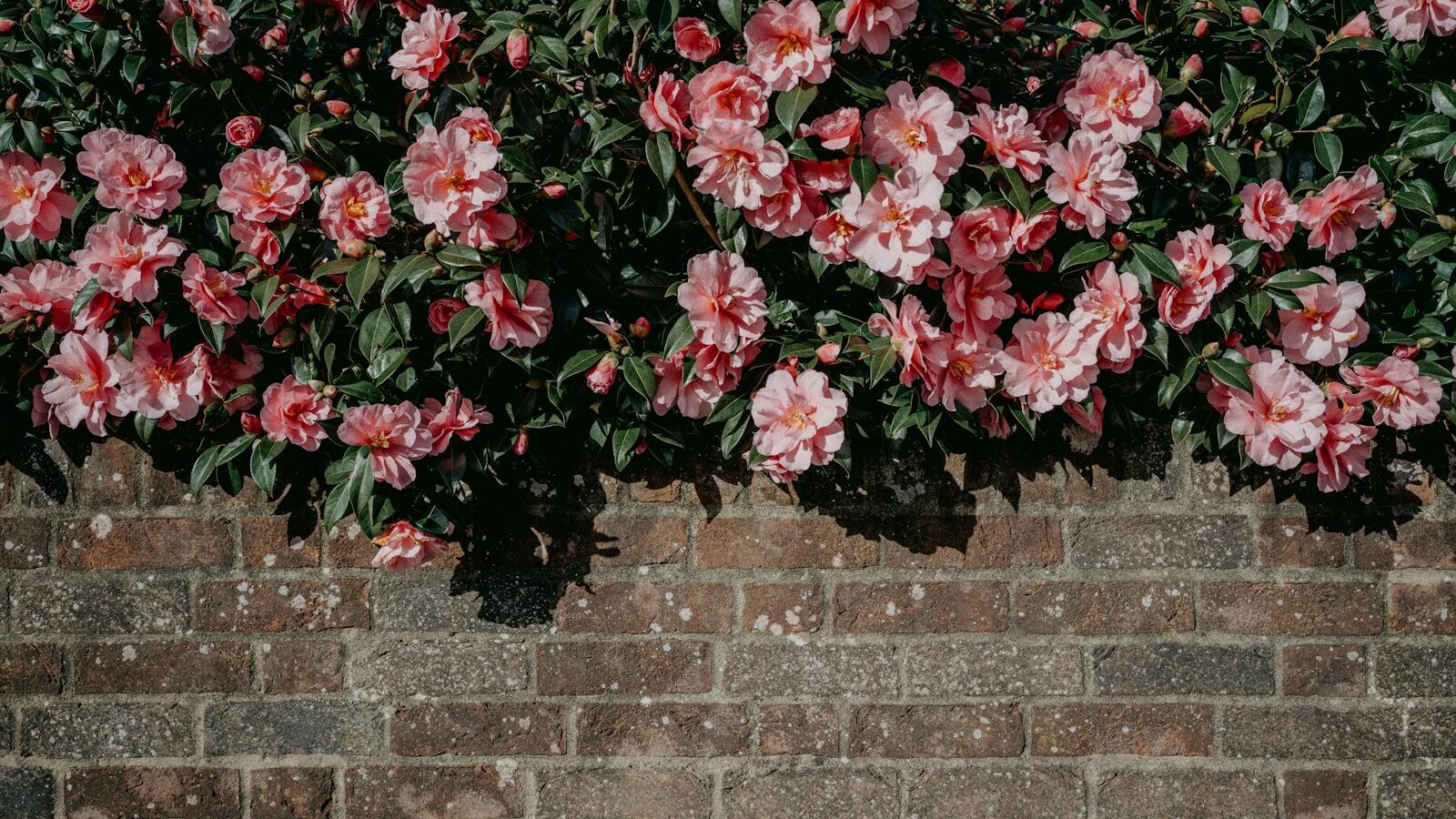
Here’s the short answer: wallflowers (Erysimum cheiri) are classic cottage-garden flowers most often grown as biennials, which means you sow them in late spring or early summer one year, grow leafy plants through that season, overwinter them, and enjoy a flush of intensely fragrant spring blooms the following year. Understanding that two-year cycle is the key to success, since gardeners who sow in spring expecting flowers the same summer are usually disappointed. Wallflowers want full sun, sharp drainage, and even a poor, alkaline soil; in fact they famously self-seed into the cracks of old walls, which is how they got their name. Hardy in roughly USDA zones 3 to 7 as biennials and grown as short-lived perennials in milder zones 7 to 10, they reward a little patience with sheets of warm orange, yellow, red, and purple flowers that perfume the whole garden in spring.
Key Takeaways
- Grown as biennials: sow in late spring/early summer for leafy growth that year, then fragrant blooms the following spring.
- Full sun and sharp drainage: wallflowers thrive in poor, well-drained, even alkaline soil and rot in rich, wet ground.
- Sow timing matters: sow biennial types May-June, transplant to flowering positions in fall for spring color.
- Zone notes: reliably biennial in zones 3-7; treated as short-lived perennials in milder zones 7-10.
- Pinch and deadhead: pinching young plants creates bushier growth and deadheading prolongs the spring display.
Understanding the Biennial Cycle
A biennial completes its life over two growing seasons. In the first year it germinates and builds a leafy rosette of foliage and a strong root system but does not flower. It then needs a cold period over winter, a process called vernalization, to trigger flowering. In the second year it bolts upward, blooms, sets seed, and then declines. Most traditional wallflowers follow this pattern, which is why timing is everything: the cold of winter is what unlocks those spring flowers.
This is the single most common point of confusion with wallflowers. If you sow seed in spring expecting blooms that summer, you will only get foliage; the flowers come the next spring after the plants have overwintered. Some modern strains, such as the Erysimum ‘Bowles’s Mauve’ type and certain seed series, behave more like short-lived perennials or even bloom the first year from an early sowing, but the classic bedding wallflowers are true biennials and should be planned that way.
When and How to Sow Wallflowers
For the traditional biennial display, sow seed outdoors in a nursery bed or in trays from late spring through early summer (May to June). Sow thinly about 1/4 inch deep in well-prepared soil. Seeds germinate in roughly one to three weeks in warm soil. Once seedlings are large enough to handle, thin or prick them out and grow them on through summer, spaced a few inches apart, so they develop into sturdy, bushy young plants.
In early to mid-autumn, transplant the young plants into their final flowering positions, spacing them about 9 to 12 inches apart. Plant them where you want a spring show, in beds, borders, or among spring bulbs like tulips, which they partner with beautifully. The plants establish over fall, sit through winter as leafy clumps, and then burst into bloom the following spring. In very cold zones, you can also overwinter young plants in a cold frame for extra protection and set them out in early spring.
Pinching for bushier plants
When young plants reach about 4 to 6 inches tall, pinch out the growing tip. This encourages side branching and produces stockier, bushier plants that carry far more flower spikes than a single tall stem would. It is a small step that makes a big difference to the spring display. You can pinch again a few weeks later if plants are growing strongly, building an even denser framework of stems before winter sets in.
Choosing wallflower types
It helps to know what you are buying, because not all wallflowers behave the same way. The traditional bedding wallflowers, sold as seed in single colors or mixes such as the fragrant ‘Persian Carpet’ and bronze-toned ‘Fire King’ types, are the true biennials that give the classic spring show. Newer perennial Erysimum hybrids, most famously ‘Bowles’s Mauve’, are grown for their long, almost continuous bloom over many months but are sterile or short-lived and are usually bought as plants and propagated from cuttings rather than seed. Dwarf strains grow just 9 to 12 inches tall for the front of a border or for containers, while taller bedding types reach 15 to 18 inches. Pick the type that matches whether you want a single spectacular spring flush (biennial bedding types) or a long, steady season of color (perennial hybrids), and plan your sowing or buying accordingly.
Sun, Soil, and Site
Wallflowers are sun-worshippers. Give them full sun, at least six hours a day, for the most flowers and the strongest fragrance; in shade they grow leggy and bloom sparsely. The other essential is drainage. Wallflowers evolved on dry, rocky ground and old masonry, so they want well-drained, even gritty or stony soil. They actively prefer lean, neutral-to-alkaline conditions and resent rich, heavy, or waterlogged soil, which causes the roots to rot, particularly over a wet winter.
If your soil is heavy clay, improve drainage with grit or coarse sand, or grow wallflowers in raised beds or containers. A soil pH around 6.5 to 7.5 is ideal, and a little garden lime on acidic soils suits them well. Their love of poor, sharp-draining ground is exactly why they naturalize so readily in the mortar of old walls, the trait that gave them their name.
Watering, Feeding, and Routine Care
Water young transplants until they establish, then ease off; mature wallflowers are quite drought-tolerant and dislike soggy soil far more than dry conditions. Water only during prolonged dry spells. Feeding should be light. Rich, high-nitrogen feeding produces lush leaves at the expense of flowers and can make plants floppy, so skip the heavy fertilizer. A single application of a low-nitrogen, higher-potassium feed in spring as buds form is plenty for a good bloom.
The most useful ongoing task is deadheading. Removing faded flower spikes as they go over prevents the plant from rushing to set seed and extends the blooming season considerably. Once flowering finishes, biennial wallflowers are usually pulled and composted, with a fresh batch of young plants set out in fall for the next spring. If you grow perennial types, cut them back lightly after flowering to keep them compact and stop them from getting woody and sprawling.
Hardiness, Zones, and Overwintering
As biennials, common wallflowers are grown across roughly USDA zones 3 to 7, where the reliable winter cold provides the vernalization they need to flower. In milder climates (zones 7 to 10), many wallflowers behave as short-lived evergreen perennials, blooming over a longer season but typically needing replacement every two to three years as they grow woody and leggy. In the coldest zones, a winter mulch or a cold frame protects overwintering young plants, though wallflowers are generally tough and the cold is what they need.
Wallflowers self-seed freely in conditions they like, so once you have them you may find volunteer seedlings appearing in following years, which you can move or leave to naturalize. Because biennial wallflowers are pulled after they bloom, the easiest way to keep the display going indefinitely is to sow a fresh batch of seed every year, so there is always a generation of young plants growing on to flower the following spring. Saved seed comes true enough for the garden, though named varieties may cross and drift in color over time. Pests are few; the main watch-points are clubroot and other brassica-family diseases (wallflowers are in the cabbage family, Brassicaceae), so avoid planting them repeatedly in the same spot or where you grow cabbages. Flea beetles may nibble the leaves but rarely cause serious harm.
Designing With Wallflowers
Wallflowers earn their place chiefly through fragrance and timing. They bloom in mid to late spring in warm tones of orange, gold, mahogany, bronze, ruby, and purple, filling the gap between early bulbs and summer bedding, and their sweet, clove-like scent carries on the air. They are a traditional partner for tulips, the wallflowers forming a fragrant carpet beneath the bulbs’ taller stems. Use them massed in beds, edging a path, in cottage borders, or in containers near a doorway where you can enjoy the scent. For more spring-flowering planting ideas, explore our Plants & Flowers hub, and gardeners pairing them with bulbs may enjoy our other flower guides such as how to grow sweet William, another fragrant cottage-garden biennial that follows the same two-year rhythm.
Frequently Asked Questions
Are wallflowers annuals, biennials, or perennials?
Classic bedding wallflowers are biennials, sown one year for bloom the next spring. In mild climates (zones 7-10) many behave as short-lived perennials, and a few modern strains can flower the first year from an early sowing.
When should I sow wallflower seeds?
For the traditional biennial display, sow in late spring to early summer (May-June). Grow the young plants on through summer, transplant them to flowering positions in early autumn, and they will bloom the following spring after overwintering.
Why are my wallflowers not flowering?
The usual reason is the biennial cycle: first-year plants only produce foliage and need a winter cold period before they flower the next spring. Too much shade, overly rich soil, or excess nitrogen can also reduce blooming.
Do wallflowers need full sun?
Yes. Wallflowers flower best and smell strongest in full sun with at least six hours daily. In shade they grow leggy and bloom poorly. They also need well-drained, lean, preferably alkaline soil.
Do wallflowers come back every year?
Biennial wallflowers complete their cycle in two years and then die, though they often self-seed to produce volunteers. Perennial types return for a few years before becoming woody and needing replacement every two to three years.