

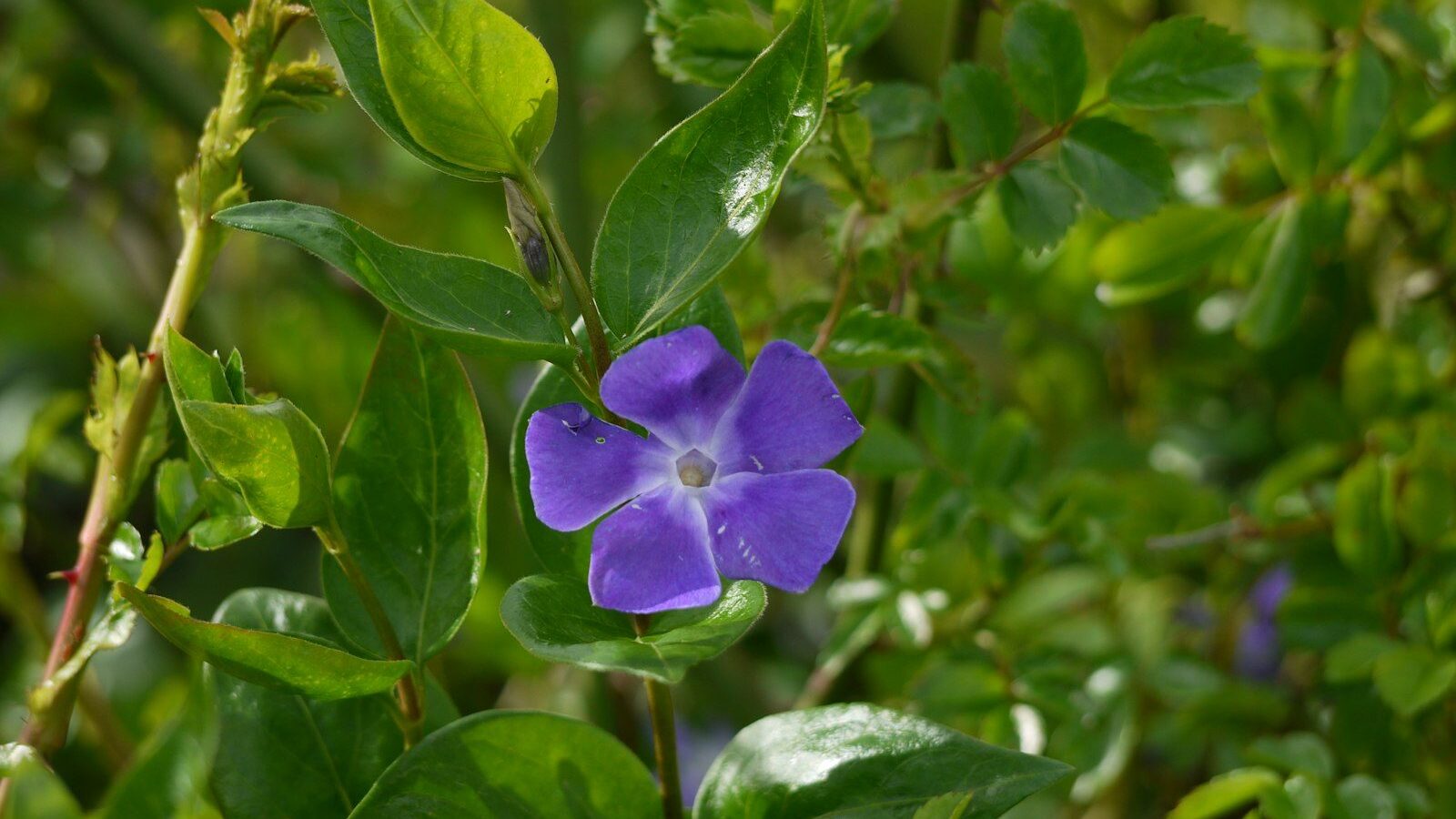
If you garden somewhere hot and want flowers that keep going when everything else wilts, annual vinca is hard to beat. Botanically Catharanthus roseus and sometimes called Madagascar periwinkle, annual vinca produces glossy dark-green foliage topped with flat, five-petaled flowers in pink, rose, red, lavender, white, and bicolors with a contrasting eye. It thrives in the heat and humidity that flatten impatiens and petunias, tolerates drought, and blooms cleanly from late spring to frost without deadheading. Across USDA zones 9-11 it can behave as a short-lived perennial, but in most of the country it is grown as a warm-season annual. This guide covers light, soil, the critical timing of when to plant, spacing, watering, feeding, containers versus beds, and the one disease you must manage to succeed with vinca.
A quick note: “vinca” also refers to a completely different plant — Vinca minor and Vinca major, the trailing evergreen perennial groundcovers. This guide is about annual vinca (Catharanthus), the upright bedding flower. The two are unrelated in care, so don’t confuse them at the garden center.
Key Takeaways
- Annual vinca loves heat and full sun — give it at least 6 hours of direct sun daily.
- Wait to plant until the soil is warm (above 65-70°F); cold soil stunts vinca and invites disease.
- Use well-drained soil and water only when the top inch dries — vinca is drought-tolerant and rots in wet soil.
- Space plants 8-12 inches apart for good air circulation; this is your main defense against disease.
- Vinca is self-cleaning — no deadheading needed for continuous bloom.
- Watch for Phytophthora aerial blight; avoid overhead watering and overcrowding to prevent it.
Light: The More Sun, the Better
Annual vinca is a true sun lover and one of the best choices for hot, exposed beds where many flowers struggle. Give it a minimum of 6 hours of direct sun daily; full all-day sun produces the most compact plants and the heaviest bloom. Unlike fuchsias or begonias, vinca actually relishes the reflected heat off pavement and the blazing afternoon sun of a south-facing bed. It will grow in part shade, but in too little light it gets leggy, flowers sparsely, and becomes far more prone to the fungal diseases that are its main weakness. So when you are deciding where to put vinca, pick the hottest, sunniest, driest spot you have — the kind of location that bakes other annuals — and it will thrive there.
Timing: Don’t Plant Too Early
The most common mistake with vinca is planting it too soon. Vinca is a tropical plant that demands warm soil; if you set it out while the ground is still cool and damp in spring, it sulks, refuses to grow, turns yellow, and becomes vulnerable to root and stem rot. Wait until well after your last frost — ideally two to three weeks after you would plant tomatoes — when both air and soil have warmed and nighttime temperatures reliably stay above 60°F. Soil temperature of 65-70°F or higher is the target. In practice this means late spring to early summer in most regions. Patience here pays off enormously: vinca planted into warm soil takes off immediately and outperforms anything you rushed into cold ground. If you start seed, sow indoors 12-16 weeks before the last frost, as vinca is slow from seed.
Soil and Drainage
Vinca demands excellent drainage above all else. It is adapted to lean, dry, well-drained soils and rots in heavy, soggy ground. A light, well-drained soil with a neutral to slightly alkaline pH around 6.0-7.5 suits it well. In beds with heavy clay, work in compost and coarse sand to open up the structure, or plant in raised beds or mounds so water drains away from the crown. For containers, use a quality, fast-draining potting mix. Don’t over-amend with rich organic matter or heavy fertilizer — vinca actually performs better in moderately lean soil and can get rank and disease-prone in overly rich, wet conditions. Good drainage plus warmth is the entire foundation of success with this plant.
Spacing and Planting
Space annual vinca 8-12 inches apart, depending on the variety — upright types toward the wider end, spreading and trailing types like the ‘Cora Cascade’ series at the closer end in baskets. Proper spacing is not just about looks: good air circulation between plants is your single most effective defense against the fungal diseases vinca is prone to. Resist the urge to pack plants in tightly for instant fullness, because crowded, humid foliage is exactly what invites blight. Plant transplants at the same depth they grew in their packs, firm the soil gently, and water in once to settle them — then back off the water as described below. In containers, figure three plants per 12-inch pot for a full display.
Watering: Less Is More
Once established, annual vinca is genuinely drought-tolerant and prefers to be kept on the dry side. Water deeply but only when the top inch of soil has dried out; in beds, that often means just once a week or less in summer, more in containers, which dry faster. The cardinal rule is to water the soil, never the foliage, and to water in the morning so any splashed leaves dry quickly. Wet foliage and soggy soil are what trigger vinca’s diseases. New transplants need regular moisture for the first couple of weeks to establish, but after that, err on the side of dryness. A vinca that looks slightly wilted in afternoon heat usually perks up overnight and is rarely in real trouble — far safer than one kept constantly wet. This drought tolerance is exactly what makes vinca such a low-maintenance choice.
Feeding
Vinca is a light feeder and doesn’t need much. Mix a slow-release balanced fertilizer into the soil at planting and that may be all it requires for the season in the ground. In containers, where nutrients leach out with watering, feed every 3-4 weeks with a dilute balanced liquid fertilizer. Avoid heavy nitrogen, which produces soft, leafy growth at the expense of flowers and makes plants more susceptible to disease. If your vinca is blooming well, leave it alone — overfeeding does more harm than good with this naturally lean-soil plant.
Deadheading: Not Required
One of vinca’s best traits is that it is self-cleaning. Spent flowers drop off on their own and the plant keeps producing fresh blooms continuously from late spring until frost without any deadheading. This makes it one of the most maintenance-free flowering annuals you can grow — no weekly snipping required. If you want a tidier, bushier plant early in the season you can pinch the growing tips of young plants once to encourage branching, but it is entirely optional. Otherwise, simply let it bloom.
Containers vs. Beds
Vinca works beautifully in both. In hot, sunny beds it forms low, dense mats of continuous color and is a top choice for edging walks, mass plantings, and filling difficult dry spots where irrigation is limited. The spreading and trailing series excel in containers, hanging baskets and window boxes in full sun, cascading over the edges and tolerating the heat that bakes a south-facing balcony. Containers also give you better drainage control, which matters for disease prevention. Because vinca thrives in heat and tolerates drought, it is ideal for sunny balconies and low-water container gardens — see our urban and container gardening guides for ideas. To pair vinca with other tough, sun-loving annuals like portulaca and lantana, browse the Plants & Flowers hub.
Pests and Diseases — Especially Aerial Blight
Vinca has few insect problems but one serious disease to manage. Phytophthora aerial blight is the big one: a water mold that causes stems and leaves to suddenly turn black, wilt and collapse, often after warm, wet, humid weather. It spreads through splashing water and can wipe out a bed quickly. The defense is cultural — plant in well-drained soil, space plants for air flow, water the soil rather than the foliage, water in the morning, and never overcrowd. Remove and destroy infected plants immediately (don’t compost them). Botrytis blight and root rot likewise stem from wet, cool conditions and poor drainage, reinforcing why warm soil and restrained watering matter so much. On the insect side, watch occasionally for aphids and spider mites in hot, dry spells, both controlled with insecticidal soap or a water spray. Overall, if you give vinca sun, warmth, drainage and dry foliage, it is one of the most disease-resistant ways to keep summer color going.
Can You Overwinter Vinca?
In zones 9-11, annual vinca may survive mild winters and behave as a short-lived perennial, though it often looks tired by its second year and is usually replaced. In colder zones it is killed by frost and grown as an annual. If you want to keep a particular plant, you can dig and pot it before frost and grow it on a warm, very bright windowsill through winter, but it needs more warmth and light than the average home provides and results are mixed. The easier route is to let it reseed — vinca will sometimes self-sow in warm climates — or simply buy fresh, inexpensive transplants each spring. For most gardeners, treating annual vinca as a one-season plant is the practical choice, and its toughness through the hottest months more than earns its keep.
Frequently Asked Questions
How much sun does annual vinca need?
At least 6 hours of direct sun daily, and it thrives in full all-day sun. Vinca is a heat lover that performs best in the hottest, sunniest spots — even reflected heat off pavement. In too much shade it gets leggy, blooms poorly, and becomes more disease-prone.
Why is my vinca turning yellow and wilting?
Most often it was planted too early into cool, wet soil, or it is being overwatered. Vinca needs warm soil (above 65-70°F) and prefers to dry out between waterings. Sudden blackening and collapse can signal Phytophthora aerial blight, in which case remove affected plants and improve drainage and air flow.
Do I need to deadhead vinca?
No. Annual vinca is self-cleaning — spent flowers drop on their own and it blooms continuously from spring to frost without deadheading. You can optionally pinch young plants once to encourage bushier growth, but no ongoing maintenance is required.
How often should I water vinca?
Only when the top inch of soil dries out — often just once a week in beds, more in containers. Vinca is drought-tolerant and rots in soggy soil. Always water the soil rather than the leaves, and water in the morning to keep foliage dry and prevent disease.
Is annual vinca the same as the groundcover periwinkle?
No. Annual vinca (Catharanthus roseus) is an upright, heat-loving bedding flower grown as an annual. The trailing evergreen groundcovers Vinca minor and Vinca major are unrelated perennials with different care needs. Be sure you are buying the right one at the garden center.
Annual vinca is the answer when summer heat defeats your other flowers: give it sun, warm soil, sharp drainage and a light hand with the hose, space it for air flow, and it rewards you with months of clean, self-cleaning color and almost no fuss. Plant it after the soil warms, keep the foliage dry, and it will carry the hottest part of the season effortlessly.