

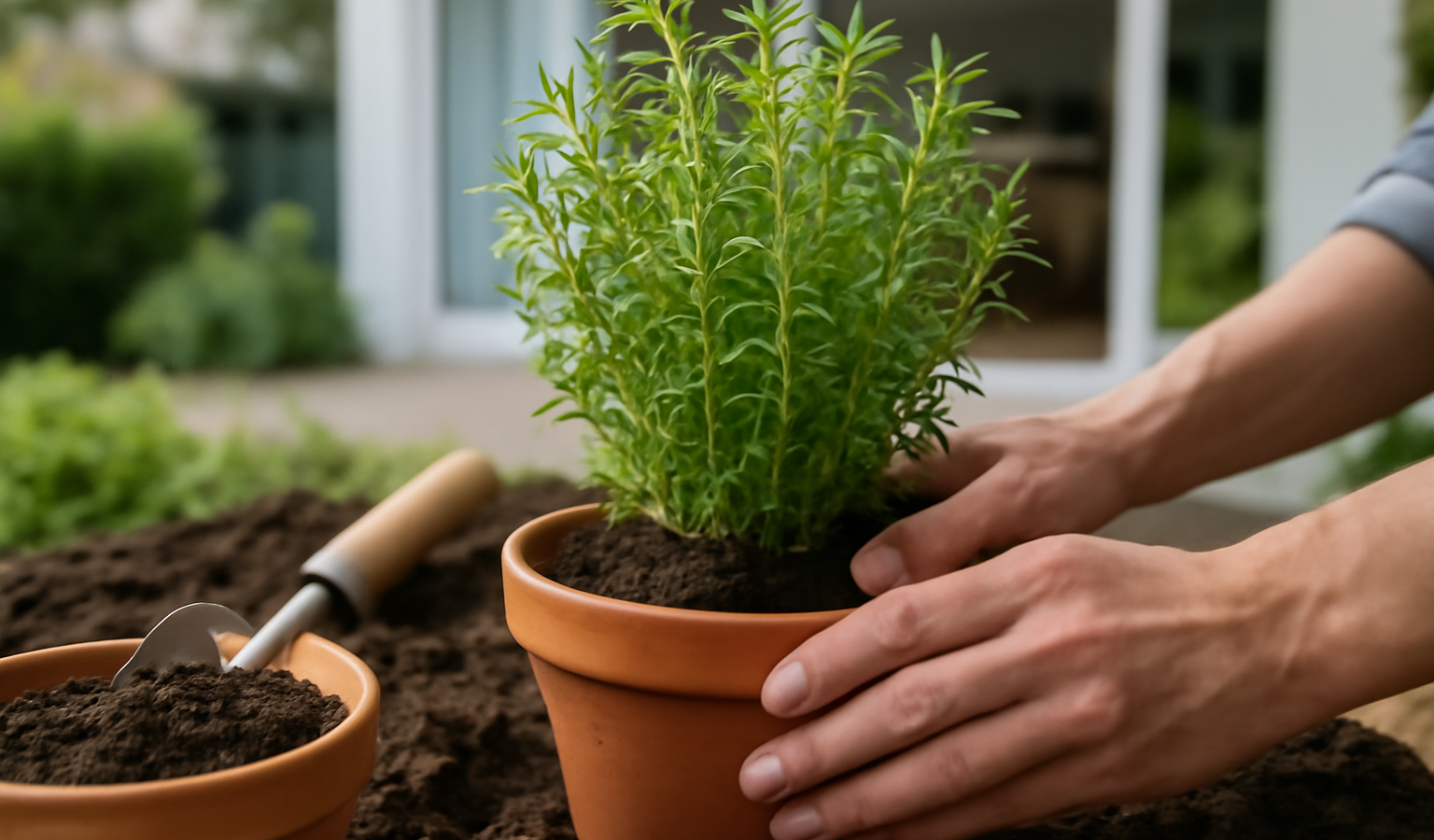
Summer savory (Satureja hortensis) is an underused annual herb that earns its keep as the classic “bean herb” — its warm, peppery, thyme-meets-marjoram flavor is the traditional partner to green beans, dried legumes, and lentils, where it also reputedly eases the digestion. It is a quick, easygoing plant: sow seed after the last frost, give it sun and lean soil, and within a couple of months you have a bushy 12- to 18-inch plant ready for repeated cutting. Unlike its tougher cousin winter savory, which is a woody perennial, summer savory is a soft-stemmed annual grown fresh each year, and most cooks find its flavor milder and more refined. This guide covers starting summer savory from seed, spacing and care, the right way to harvest for the best flavor, drying and storing the crop, and how to use it in the kitchen.
Key Takeaways
- Summer savory is a tender annual grown fresh each year; sow seed after the last spring frost.
- It needs full sun (6+ hours) and light, well-drained soil — rich soil weakens the flavor.
- Surface-sow seed because it needs light to germinate; thin plants to 6 to 10 inches apart.
- The peppery, thyme-like flavor is the traditional seasoning for green and dried beans.
- Harvest sprigs once plants reach 6 inches; flavor peaks just before and during flowering.
- Cut regularly to keep plants bushy and to delay flowering, which makes leaves milder.
- Dry or freeze the harvest at season’s end since the plant will not survive frost.
Summer Savory vs. Winter Savory
Before planting, it helps to know which savory you have. Summer savory (Satureja hortensis) is a soft, fast-growing annual with a milder, sweeter, more delicate peppery flavor — the one most cooks prefer and the focus of this guide. Winter savory (Satureja montana) is a low, woody, evergreen perennial hardy to about USDA zone 5, with a stronger, more pungent, almost resinous taste and tougher leaves. Winter savory is handy for year-round fresh picking and edging, but summer savory wins on flavor for most kitchen uses. Grow whichever suits your needs, or both.
Where and When to Plant
Summer savory is a warm-season annual that is killed by frost, so timing is straightforward: sow after all danger of frost has passed and the soil has begun to warm, typically when nighttime temperatures stay reliably above 50°F. In most of the country that means mid-to-late spring. Because the plant matures quickly, you can sow a second small batch a month later for a continuous fresh supply through the season.
Pick a spot in full sun — at least six hours of direct light daily — which produces the most aromatic, flavorful leaves. The soil should be light and well-drained, even on the lean side. Like many Mediterranean herbs, summer savory develops its best, most concentrated flavor in poor-to-average soil; overly rich, heavily fertilized ground pushes lush growth with a washed-out, weaker taste. It grows just as happily in a container or windowbox, which suits balcony and patio growers covered in the Urban Gardening hub.
Starting Summer Savory from Seed
Summer savory is almost always grown from seed, sown directly in the garden or started indoors a few weeks early in short-season climates. The seeds are tiny and need light to germinate, so the key is to sow them at the surface rather than burying them.
- Prepare a fine, weed-free seedbed in a sunny spot and rake it smooth.
- Scatter the small seeds thinly on the surface and press them down gently, or barely dust them with soil — no more than ⅛ inch deep.
- Keep the surface lightly and consistently moist; a fine mist avoids washing the seeds away.
- Expect germination in 7 to 14 days at warm soil temperatures.
- Thin the seedlings to stand 6 to 10 inches apart once they have a few sets of leaves.
If starting indoors, sow in flats 4 to 6 weeks before the last frost, surface-sowing the same way, then harden off and transplant the seedlings once the weather has settled. Space transplants the same 6 to 10 inches apart.
Watering, Feeding and Care
Once established, summer savory is fairly drought-tolerant and prefers to dry out slightly between waterings. Water when the top inch of soil is dry, giving young plants steady moisture and easing off as they mature; avoid keeping the soil soggy, which invites root rot in this Mediterranean-type herb. Container plants dry faster and need more frequent watering.
Feeding is rarely needed and usually undesirable. As with most aromatic herbs, lean conditions concentrate the essential oils that give summer savory its flavor, so skip the fertilizer in average garden soil. If growth seems weak in very poor ground, a single light feeding early on is enough. Keep the area weeded while plants are young, then their bushy growth shades out most competition. The same “lean and dry” approach benefits the wider range of culinary herbs in the Plants & Flowers hub.
Pinching and Keeping Plants Bushy
The secret to a productive summer savory plant is regular cutting. When seedlings reach about 6 inches tall, begin pinching or snipping the growing tips. This forces side branching, turning a single leggy stem into a dense, rounded bush with far more harvestable foliage. The more you cut, the bushier and more productive the plant becomes, so do not be shy.
Frequent harvesting also delays flowering. Summer savory blooms with small pale-pink to white flowers in mid-to-late summer, and once it flowers heavily the leaves turn slightly tougher and less flavorful. Pinching out the flower buds keeps the plant in leafy, peak-flavor production longer — though the flowers are edible and attractive to bees, so you may choose to let some bloom late in the season.
When and How to Harvest
You can begin harvesting leaves as soon as the plant is 6 inches tall and well-branched, usually 6 to 8 weeks after sowing. Snip individual sprigs and tender stem tips as needed throughout the season. The flavor is at its absolute peak just before and during flowering, when the essential oils are most concentrated, so that is the ideal time for a large harvest if you plan to dry the crop.
For a big preserving harvest, cut the whole plant back to within a few inches of the ground; it will usually regrow for a second cutting if the season is long enough. At season’s end, before the first frost kills the plant, cut everything and preserve it, since summer savory will not overwinter. Harvest in the morning after the dew has dried but before the heat of the day, when the oils are at their highest.
Drying and Storing
Summer savory dries beautifully and retains good flavor, making it easy to enjoy all winter. Bundle several stems together and hang them upside down in a warm, dry, well-ventilated spot out of direct sunlight, or lay sprigs on a screen or use a dehydrator on low heat. Once the leaves are crisp and crumble easily, strip them from the stems and store in an airtight jar away from light and heat. You can also freeze chopped fresh leaves in ice-cube trays with a little water or oil for use in cooked dishes.
Culinary Uses
Summer savory’s nickname, the “bean herb,” tells you its signature use: it is the classic seasoning for green beans, snap beans, fava beans, and all manner of dried beans and lentils, adding a warm, peppery lift and, by tradition, helping make legumes easier to digest. Add it during the last several minutes of cooking so the delicate flavor does not cook away.
Beyond beans, it is wonderful in stuffings, sausages, meatloaf, lentil soups, egg dishes, and herb butters, and it is a key component of the French herb blend herbes de Provence. Its flavor sits between thyme and marjoram with a peppery edge, so it works anywhere those herbs do. Use it fresh for the brightest taste, or dried in long-simmered dishes. Pair your savory harvest with other homegrown seasonings from the Plants & Flowers hub to build a well-rounded culinary herb garden.
Frequently Asked Questions
Is summer savory an annual or perennial?
Summer savory (Satureja hortensis) is a tender annual grown fresh each year and killed by frost. Its relative winter savory (Satureja montana) is a hardy woody perennial. If you want a plant that returns each year, choose winter savory instead.
How do I keep my summer savory bushy?
Pinch the growing tips regularly once the plant reaches about 6 inches tall. Frequent cutting forces side branching, creates a dense bushy plant, and delays flowering, which keeps the leaves at peak flavor. The more you harvest, the more productive it stays.
When does summer savory have the best flavor?
Flavor peaks just before and during flowering, when the essential oils are most concentrated. That is the ideal time for a big harvest if you plan to dry the herb. Harvest in the morning after the dew dries for the strongest aroma.
What is summer savory used for in cooking?
It is the traditional “bean herb,” seasoning green beans, fava beans, lentils, and dried legumes, and it is a component of herbes de Provence. Its peppery, thyme-and-marjoram flavor also suits sausages, stuffings, soups, and egg dishes.
Can I grow summer savory in a pot?
Yes, it does very well in containers and windowboxes. Use a well-drained mix, give it full sun, and let it dry slightly between waterings. Pots are ideal for keeping this fast, compact herb within easy reach of the kitchen.