

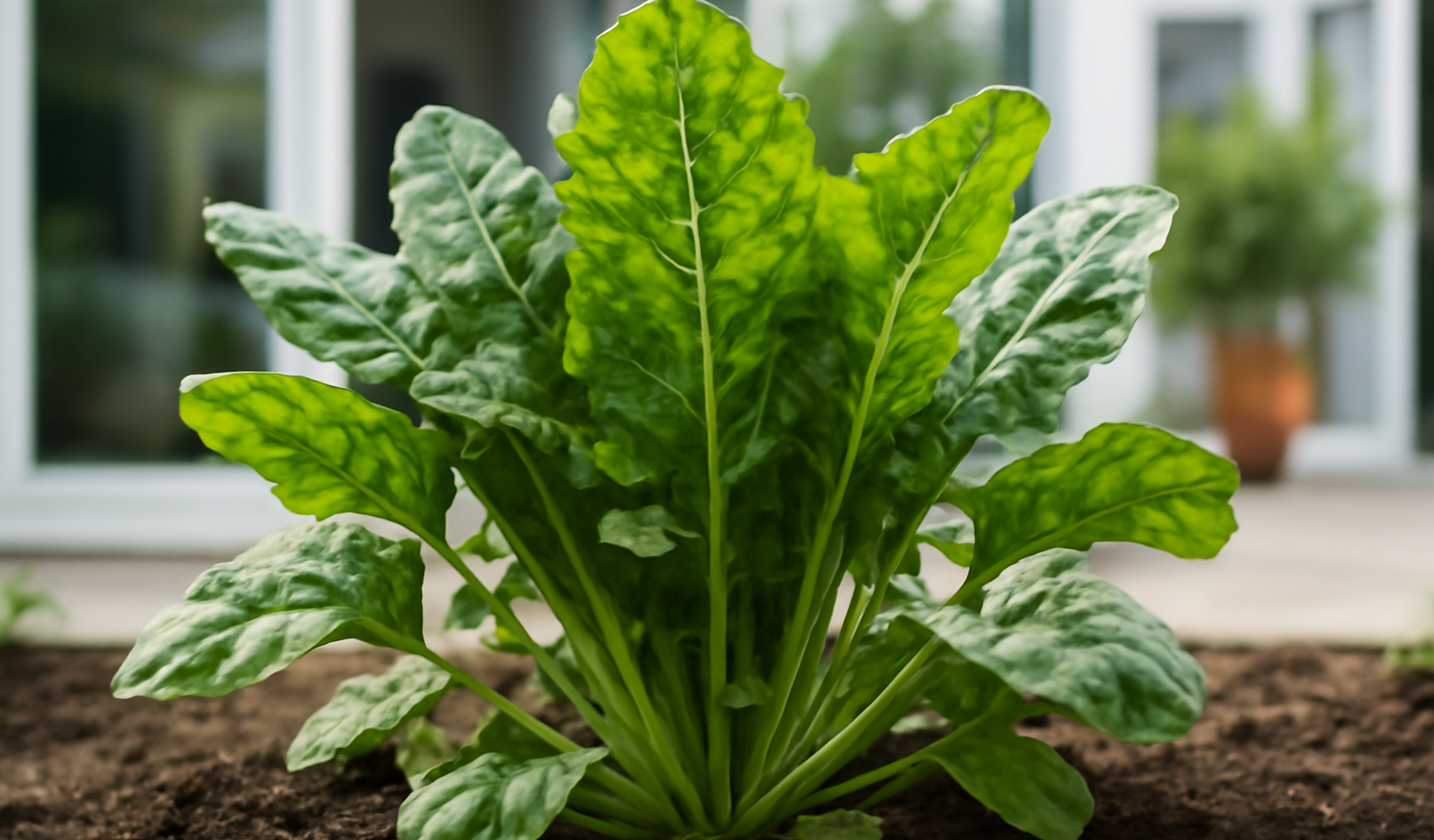
Perpetual spinach is the answer to every gardener’s frustration with true spinach: a leafy green that tastes like spinach but refuses to bolt the moment summer arrives. Despite the name, it is not spinach at all — it is a type of leaf beet (Beta vulgaris), the same species as Swiss chard, grown for its tender green leaves rather than a root. Sow seed half an inch deep, thin plants to 9–12 inches apart, and start cutting outer leaves about eight weeks later; a single spring sowing will then crop continuously from early summer right through autumn and often into the following spring. Because it is biennial, it does not rush to flower in its first season the way heat-stressed true spinach does, so you get mild, smooth, slightly glossy leaves all through the hottest months when real spinach has long since bolted and turned bitter. Hardy and forgiving, perpetual spinach thrives in USDA zones 5–9, tolerates poorer soil and drought better than spinach, and is one of the most productive, low-maintenance greens a beginner can grow. This guide covers sowing, spacing, watering, the all-important cut-and-come-again harvest, and how to keep plants producing for the better part of a year.
Key Takeaways
- Not true spinach: Perpetual spinach is a leaf beet (chard relative) grown for spinach-like leaves; it does not bolt in summer heat the way real spinach does.
- Sowing: Sow 0.5 inch deep from early spring through midsummer; seeds are clusters, so thin the multiple seedlings that emerge.
- Spacing: Thin to 9–12 inches apart in rows 12–18 inches apart for full-size, productive plants.
- Harvest: Pick outer leaves cut-and-come-again from about 8 weeks; never strip the whole plant and it crops for months.
- Zones: Hardy in USDA zones 5–9; overwinters with light protection in milder areas for an early-spring crop.
- Productivity: One or two spring sowings can feed a household with greens from summer through the following spring.
What Perpetual Spinach Actually Is
It is worth being clear about the name, because it explains everything about how the plant behaves. Perpetual spinach is not Spinacia oleracea, the true spinach — it is a leaf beet, a cultivated form of Beta vulgaris, and therefore a close cousin of Swiss chard, beetroot, and sugar beet. The “perpetual” comes from its habit of cropping continuously, and the “spinach” from its flavor and use in the kitchen: the leaves are milder, smoother, and less earthy than chard, with thin midribs you can cook along with the leaf rather than stringy stalks you discard. You use it exactly as you would spinach, in everything from sautés and quiches to soups and curries.
The practical payoff of being a beet rather than a spinach is that perpetual spinach is a biennial — it naturally grows leaves in its first year and only flowers in its second. True spinach is an annual hard-wired to bolt and set seed as days lengthen and temperatures climb, which is why it collapses into bitterness by midsummer. Perpetual spinach feels no such urgency in its first season, so it keeps pushing out fresh, tender leaves through the heat that would have killed a spinach bed weeks earlier. It is also tougher: deeper-rooted, more drought-tolerant, and far less fussy about soil. For gardeners who love spinach but hate the short, bolt-prone season, it is close to a perfect substitute. If you also want to try the real thing in cool weather, our guide on cool-season leafy greens covers timing for true spinach.
When and How to Sow
Perpetual spinach is almost always grown direct-sown where it is to crop, because it has a taproot that resents disturbance, though it transplants reasonably well from modules if you start it under cover. The main sowing window runs from early spring (a few weeks before the last frost) through to midsummer. A first sowing in March or April gives you summer and autumn crops; a second sowing in July or August gives plants that overwinter for an early-spring harvest the following year. In mild zones you can sow even later for winter cropping under cover.
Sowing depth and the cluster-seed quirk
Sow seed half an inch (about 1.5 cm) deep in rows, or in stations every 9–12 inches. One thing surprises first-time growers: like beet and chard seed, each perpetual spinach “seed” is actually a dried cluster of several seeds, so a single sowing point typically throws up two to four seedlings in a tight tuft. That is normal. When the seedlings are an inch or two tall, thin them ruthlessly to the single strongest plant at each station — crowded clumps produce small, weak leaves and compete for water. The thinnings themselves make a fine baby-leaf addition to a salad, so nothing is wasted. Seed germinates in 7–14 days in warm soil; keep the bed moist until seedlings are up.
Soil, Spacing, and Position
Perpetual spinach is genuinely easygoing about soil, which is part of its appeal. It does best in moisture-retentive, fertile soil with plenty of organic matter and a near-neutral pH (around 6.5–7.0), but it tolerates heavier clay and poorer ground far better than true spinach. Dig in a bucket of compost or well-rotted manure before sowing and the plants will reward you with bigger, lusher leaves. Choose a spot in full sun for spring and autumn crops; for summer sowings, a position with light afternoon shade keeps the leaves tender and slows any tendency to toughen in heat.
Final spacing matters for productivity. Thin or transplant to 9–12 inches between plants, with rows 12–18 inches apart. That looks generous when the seedlings are tiny, but mature plants form substantial leafy rosettes a foot or more across and need the room and airflow to stay healthy. If you only want continuous baby leaves for salads, you can grow at a tighter 4–6 inch spacing and cut young, but for the classic “perpetual” full-size cropping plant, give it space. A row of just six to eight well-spaced plants is usually more than enough greens for a family.
Watering, Feeding, and Ongoing Care
The single most important care task is consistent watering. Although perpetual spinach is more drought-tolerant than spinach, dry soil is its main weakness: prolonged drought is one of the few things that can push even this plant toward bolting, and it makes leaves smaller and tougher. Water deeply once or twice a week in dry spells, aiming to keep the soil evenly moist, and mulch around the plants with compost to lock in moisture and suppress weeds. Container-grown plants need closer attention, as pots dry out fast.
Feeding is simple. Soil enriched at sowing usually carries the plants a long way, but because you are cropping leaves repeatedly over many months, a nitrogen-rich boost keeps production strong. Side-dress with a balanced or high-nitrogen fertilizer, or water with a dilute liquid feed, every few weeks during the main growing season — especially after a heavy cut. Keep the bed weeded while plants are young; once the rosettes fill out, their own canopy shades out most competition. Remove any yellowing or tatty outer leaves promptly to keep plants tidy and direct energy into fresh growth.
Cut-and-Come-Again Harvesting
This is where perpetual spinach earns its name, and the harvesting method is the key to keeping it cropping for months. The first leaves are usually ready about eight weeks after sowing, once plants have formed a decent rosette. Always harvest cut-and-come-again: pick or snap off the outer, mature leaves at the base, working around the plant, and always leave the central growing point and several inner young leaves intact. From that protected crown the plant pushes out a fresh flush of leaves, and you repeat the process every week or two indefinitely.
The golden rule is never strip a plant bare — removing the growing point or all the leaves at once checks growth badly and can stop the perpetual cropping. Pick the youngest, most tender leaves for raw salads and let larger ones go to the cooking pot. Regular harvesting actually stimulates more production, so the more diligently you crop, the more the plant gives; leaves left too long turn coarse and leathery. With this method a spring-sown row crops through summer and autumn, then — in zones 7 and warmer, or with cloche or row-cover protection in colder areas — overwinters and bursts back into growth in early spring before finally bolting and going to seed in its second year. At that point pull the plants and start fresh. For protecting overwintering crops, see our notes on using row covers to extend the season.
Pests, Problems, and Troubleshooting
Perpetual spinach is robust, but it shares a few troubles with its beet and chard relatives. The most common is leaf miner, whose larvae tunnel pale, blistered trails inside the leaves; pick off and destroy affected leaves promptly, and a fine insect-mesh cover prevents the flies laying eggs in the first place. Slugs and snails love young seedlings, so protect new sowings. In damp, crowded conditions you may see leaf spot or downy mildew — good spacing for airflow and removing infected leaves keeps these in check. Birds sometimes shred young plants and can be deterred with netting.
For troubleshooting, most problems trace to two causes. Small, tough, or bitter leaves usually mean the soil is too dry, the plant is short of nitrogen, or you have left leaves on too long — water well, feed, and harvest younger. Premature bolting (flower stalks in the first season) is uncommon but can be triggered by severe drought stress or a cold check after sowing too early; keep plants steadily watered and unstressed. Yellowing lower leaves are often just age — remove them — but widespread yellowing points to hungry soil and calls for a feed. Treat it well and perpetual spinach is one of the most reliable, generous greens in the garden. Browse more easy edibles on our plants and flowers hub.
Frequently Asked Questions
Is perpetual spinach the same as real spinach?
No. Perpetual spinach is a leaf beet, a form of Beta vulgaris closely related to Swiss chard and beetroot, grown for spinach-like leaves. True spinach is Spinacia oleracea. The big practical difference is that perpetual spinach is biennial and does not bolt in summer heat, so it crops far longer than real spinach, while tasting milder and smoother than chard.
Why does perpetual spinach not bolt like spinach?
Because it is a biennial beet rather than an annual spinach. It naturally produces leaves in its first year and only flowers in its second, so it feels no pressure to set seed during its first summer. True spinach is genetically programmed to bolt as days lengthen and warm, which ends its season quickly; perpetual spinach simply keeps making leaves through the heat.
How far apart should I space perpetual spinach?
Thin or transplant to 9–12 inches between plants, with rows 12–18 inches apart, for full-size productive plants. Remember each seed is a cluster, so several seedlings emerge per station and must be thinned to the strongest one. For continuous baby leaves only, you can grow at a tighter 4–6 inch spacing and cut young.
How do I harvest perpetual spinach so it keeps growing?
Use the cut-and-come-again method: pick the outer mature leaves at the base while always leaving the central growing point and several inner young leaves intact. The plant then regrows from the crown, and you repeat every week or two. Never strip the whole plant bare — that checks growth and can stop the continuous cropping.
Will perpetual spinach survive winter?
In USDA zones 7 and warmer it usually overwinters in the open and resumes growth in early spring. In colder areas (zones 5–6) it survives with the protection of a cloche, low tunnel, or thick mulch, giving an early-spring crop before it bolts in its second year. Once it flowers, pull the plants and sow a fresh batch.