

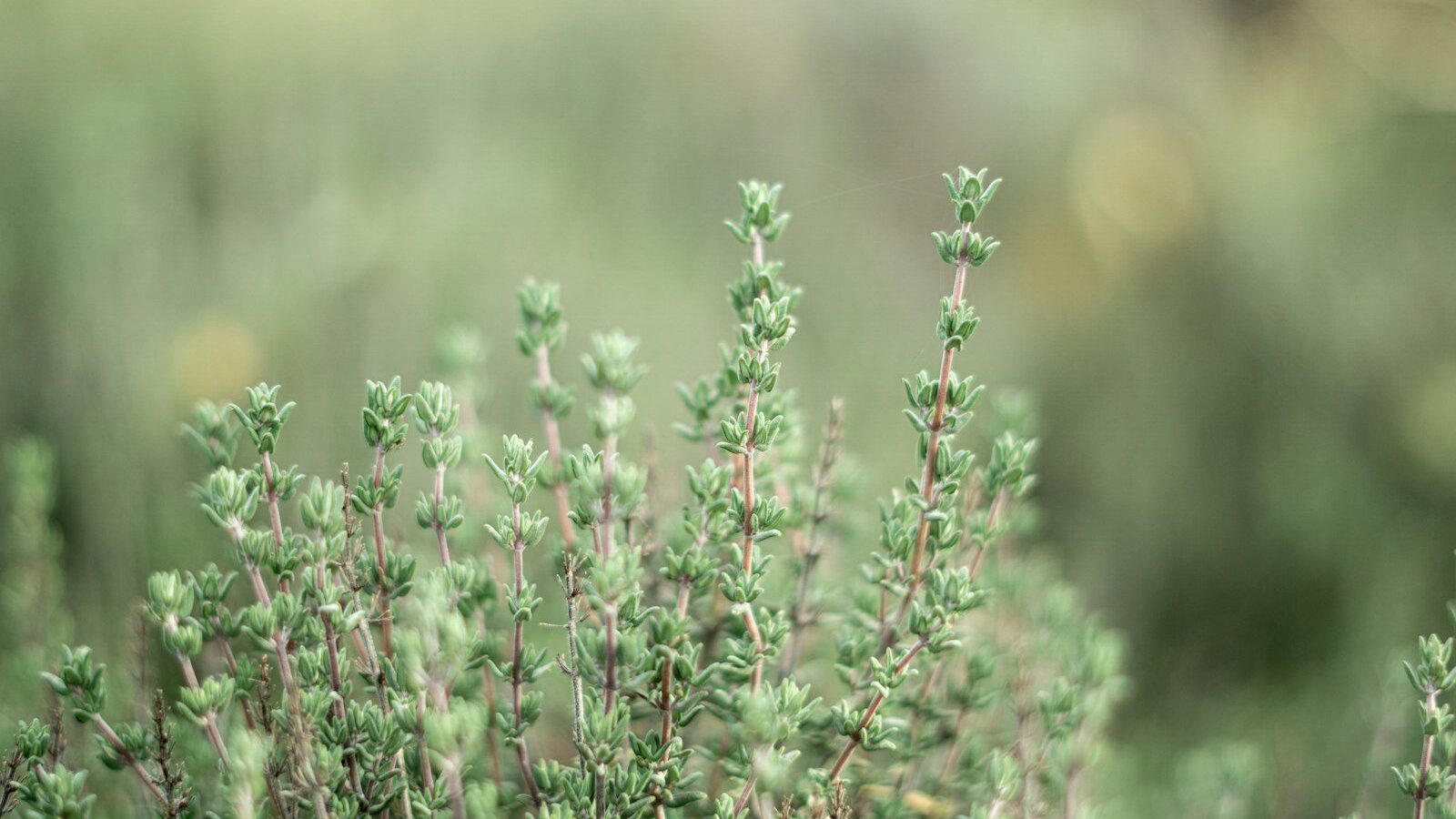
Sweet marjoram (Origanum majorana) is oregano’s gentler cousin — warmer, sweeter, and faintly floral where oregano is sharp and peppery. It is one of the easiest culinary herbs to grow if you give it the one thing it truly demands: a warm spot in full sun with soil that drains fast. Native to the dry hillsides of the Mediterranean and parts of North Africa, marjoram is technically a tender perennial but is grown as an annual across most of the United States because it cannot survive a hard frost. This guide covers everything from starting seed indoors and timing your transplants to spacing, watering, harvesting at peak flavor, and drying the leaves so you have sweet marjoram in the spice rack all winter.
Key Takeaways
- Light: full sun, at least 6–8 hours a day, for the best flavor and compact growth.
- Soil: light, well-drained, neutral to slightly alkaline (pH 6.5–7.5); poor lean soil intensifies the aroma.
- Start seed: indoors 6–8 weeks before your last frost; seed is tiny and slow, surface-sown.
- Transplant: only after all frost danger passes and soil hits 60–70°F; space 8–12 inches apart.
- Water: moderate; let the top inch dry between waterings — marjoram hates wet feet.
- Harvest: snip just before flowers open for peak essential-oil content; cut often to keep it bushy.
- Hardiness: tender; overwinter in a pot indoors in zones below 9, or grow as an annual.
Sweet Marjoram vs. Oregano: Know What You’re Growing
Before you plant, make sure you have true sweet marjoram and not one of the look-alikes sold under the marjoram name. Sweet marjoram (Origanum majorana) is the prized culinary herb — soft gray-green oval leaves, a knotted flower bud that gives it the old name “knotted marjoram,” and a sweet, mild, slightly piney flavor. Pot marjoram (Origanum onites) is hardier but harsher and more oregano-like. Wild marjoram is simply common oregano (Origanum vulgare). For cooking, the sweet type is what you want for delicate sauces, egg dishes, poultry, and herb blends. Read the botanical name on the seed packet or plant tag, because the common names are used loosely at garden centers.
When and Where to Plant
Marjoram is a heat-lover with zero frost tolerance, so timing matters. Wait until all danger of frost has passed and nighttime temperatures stay reliably above 50°F before you set plants outside. In most of the country that means mid-to-late spring; in cooler northern zones you may be waiting until early June. The soil itself should have warmed to at least 60°F, because cold, wet ground stalls young marjoram and invites rot.
Choose the sunniest spot you have. Full sun — six to eight hours minimum — produces the most aromatic, densely branched plants. In too much shade, marjoram gets leggy and the flavor turns thin. The other non-negotiable is drainage. These plants evolved on rocky, sun-baked Mediterranean slopes and resent heavy, soggy clay more than almost any other condition. If your native soil is dense, plant in a raised bed amended with coarse sand and compost, or grow marjoram in containers where you control the mix entirely. A neutral to slightly alkaline pH of 6.5 to 7.5 suits it best.
Starting Marjoram From Seed
Marjoram seed is dust-fine and germinates slowly and unevenly, so most gardeners start it indoors rather than direct-sowing into cold spring soil. Begin six to eight weeks before your last expected frost. Fill cells or a shallow tray with a sterile, fine-textured seed-starting mix, moisten it, and scatter the seed across the surface. Because the seed needs light to germinate, do not bury it — press it gently into the surface or barely dust it with vermiculite.
Keep the tray at 65 to 75°F and consistently moist but not waterlogged; a humidity dome or plastic wrap helps until sprouts appear. Germination typically takes one to two weeks, sometimes longer, so be patient. Once seedlings have a couple of sets of true leaves, thin to the strongest one per cell and grow them on under bright light or on a sunny sill. Before transplanting outdoors, harden the seedlings off over seven to ten days, gradually exposing them to outdoor sun and wind so the transition does not shock them. If sorting through tiny herb seed feels fiddly, buying a few transplants from a nursery is a perfectly good shortcut — marjoram is widely sold as starts in spring.
Spacing and Planting Out
Set marjoram plants 8 to 12 inches apart in the garden. The plants stay relatively small — usually 8 to 12 inches tall and a foot or so wide — but they branch outward and benefit from airflow between them, which helps prevent fungal problems in humid weather. Plant at the same depth they sat in their pots, firm the soil gently, and water in. If you are mixing marjoram into a culinary herb bed, it pairs naturally with other sun-and-drainage lovers like thyme, sage, and rosemary, all of which appreciate the same lean, fast-draining conditions you’ll find covered across our Plants & Flowers guides.
Marjoram is an outstanding container herb, and a pot solves the drainage problem automatically. Use a 6- to 8-inch pot with drainage holes and a free-draining potting mix cut with extra perlite or coarse sand. Containers also make it easy to bring marjoram indoors at the end of the season to overwinter it, since the plant is a tender perennial that will keep going for years if it never sees frost.
Watering and Feeding
Marjoram is moderately drought tolerant once established and far more likely to die from overwatering than from drought. Water young transplants regularly until their roots take hold, then ease off. The rule is simple: let the top inch of soil dry out before you water again, then water deeply. Established plants in the ground often get by on rainfall alone except during prolonged dry spells. Containers dry faster and need more frequent attention — check them every day or two in hot weather — but still let the surface dry between drinks. Soggy roots cause yellowing leaves and root rot, the most common way gardeners lose this herb.
Go light on fertilizer. Marjoram, like most Mediterranean herbs, develops more concentrated aromatic oils — and therefore better flavor — in lean soil. Rich, heavily fertilized soil pushes lush green growth that tastes comparatively bland. A single light feeding of balanced fertilizer or a top-dressing of compost early in the season is plenty for in-ground plants. Container herbs deplete their mix faster, so a diluted liquid feed once a month during active growth keeps them productive without overdoing it.
How and When to Harvest Marjoram
You can begin snipping marjoram once the plant is a few inches tall and well established, usually within several weeks of transplanting. For light kitchen use, just pinch sprigs as needed. The single most important timing tip is to harvest the bulk of your crop just before the flower buds open. That is when the leaves hold the highest concentration of essential oils and the flavor peaks. Once marjoram flowers fully, the leaf flavor fades and the plant puts its energy into seed.
Harvest in the morning after the dew dries but before the midday heat, when the oils are at their strongest. Use clean scissors or pinch with your fingers, cutting whole stems back by up to a third rather than just stripping individual leaves. Cutting whole stems encourages the plant to branch and stay bushy instead of going leggy. Regular harvesting — even if you do not need the leaves — keeps marjoram compact and productive all season. If buds start forming faster than you can use the herb, shear the plant back hard; it will flush out fresh, tender growth.
Drying and Storing Marjoram
Marjoram is one of the herbs that actually intensifies when dried, making it ideal for preserving. To air-dry, gather small bundles of cut stems, secure the bases with twine or a rubber band, and hang them upside down in a warm, dry, well-ventilated spot out of direct sunlight. In one to two weeks the leaves will be crisp. Strip them from the stems, store them whole in an airtight jar away from light and heat, and crumble them only as you cook to preserve the aroma. You can also dry marjoram quickly in a dehydrator at around 95 to 115°F, or freeze chopped leaves in ice-cube trays with a little water or oil for fresh-tasting marjoram in winter soups and sauces.
Overwintering and Pests
Because sweet marjoram cannot survive frost, gardeners below zone 9 have two choices. Treat it as an annual and replant each spring, or dig up a plant (or grow one in a pot from the start) and bring it indoors before the first frost to overwinter on a bright, sunny windowsill. Indoors it wants the most light you can give it, restrained watering, and cool-ish room temperatures; growth slows in winter, which is normal. Come spring, cut it back and either keep it in the pot or return it to the garden once frost has passed.
Marjoram is refreshingly trouble-free with pests. Its aromatic oils deter most insects, and the worst problems are usually tied to overly damp conditions: root rot from soggy soil, and occasionally fungal leaf spots or powdery mildew in crowded, humid plantings. Good spacing, full sun, and careful watering prevent nearly all of it. In dry indoor air over winter, watch for spider mites and aphids on stressed plants, and rinse them off or treat with insecticidal soap if they appear. The same airflow-and-drainage principles that keep marjoram healthy apply to most herbs you’ll grow alongside it in a sunny container herb garden.
Frequently Asked Questions
Is marjoram a perennial or an annual?
Sweet marjoram is a tender perennial native to the Mediterranean, hardy only in USDA zones 9 and warmer. In most of the U.S. it is grown as an annual or brought indoors in a pot to overwinter, since even a light frost will kill it.
When should I harvest marjoram for the best flavor?
Harvest just before the flower buds open, in the morning after the dew dries. That is when the leaves contain the most essential oils and the flavor is strongest. Once the plant flowers fully, leaf flavor fades, so shear it back to encourage fresh growth.
How far apart should I plant marjoram?
Space plants 8 to 12 inches apart. They stay small but branch outward, and that spacing gives enough airflow to prevent fungal problems while letting each plant fill out into a bushy mound.
Can I grow marjoram in a pot?
Yes, and it thrives in containers. Use a 6- to 8-inch pot with drainage holes and a fast-draining mix amended with perlite or sand. Pots solve the drainage issue marjoram demands and make it easy to move the herb indoors for winter.
Why is my marjoram turning yellow?
Yellowing leaves almost always mean overwatering or poorly drained soil leading to root rot. Let the top inch of soil dry between waterings, ensure the pot or bed drains freely, and cut back on water. Marjoram tolerates dryness far better than soggy roots.
Give sweet marjoram full sun, fast-draining soil, restrained watering, and a regular harvest, and it rewards you with one of the most versatile sweet-savory herbs in the kitchen. Start it indoors or buy a transplant, plant it out only after frost, and snip it often to keep it bushy. Dry the surplus before it flowers, overwinter a pot on the sill if you live where it freezes, and you’ll have that warm, gently floral marjoram flavor on hand long after the garden has gone to sleep.