

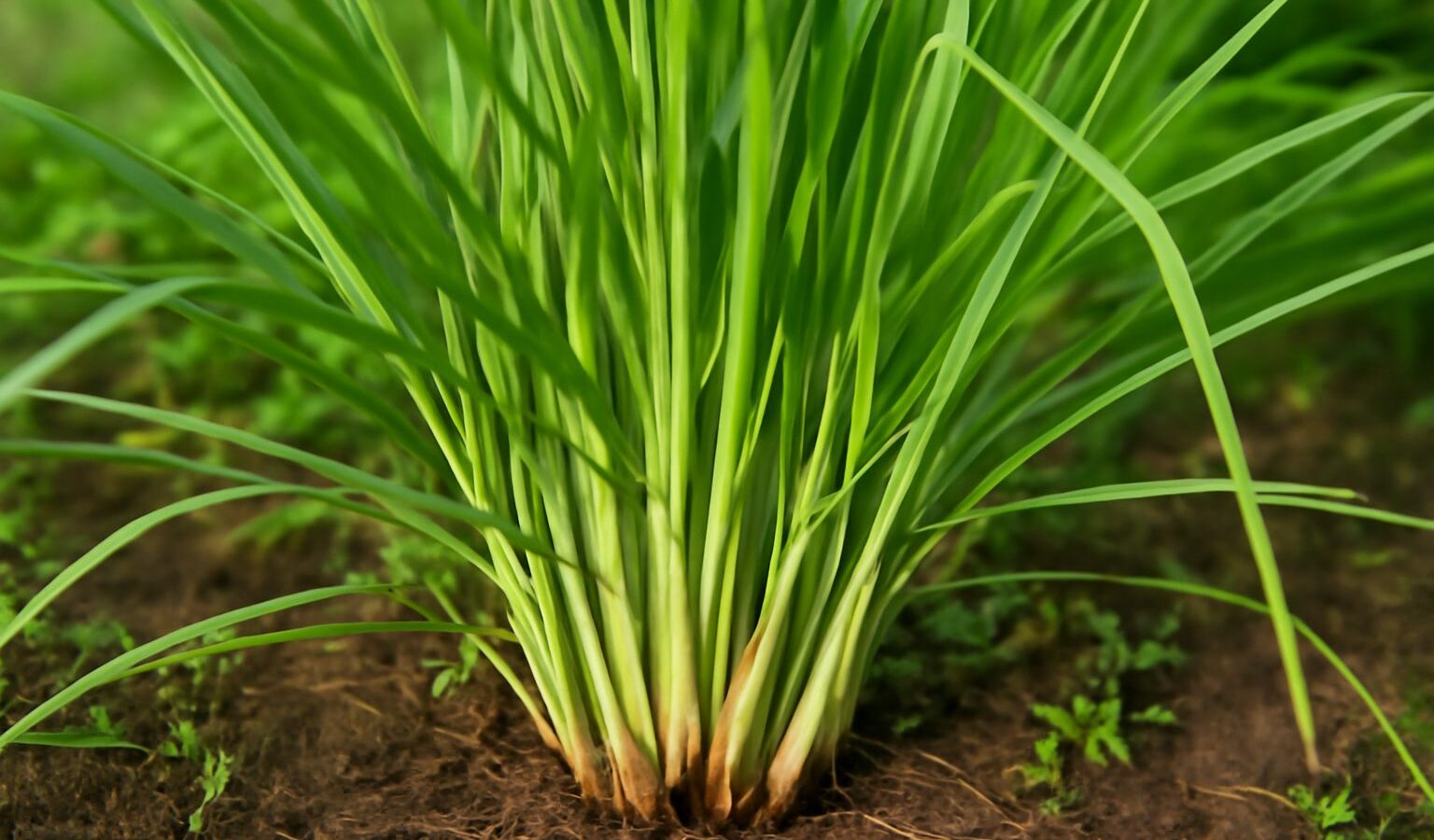
Lemongrass (Cymbopogon citratus) is a tender tropical grass that delivers an intense citrus aroma to Thai curries, soups, teas, and marinades, and as a bonus it makes a striking 3–4 foot ornamental clump in the garden. It is genuinely easy to grow given warmth and sun, and you can start a whole bed for free by rooting stalks from the grocery store. The only real challenge for most US gardeners is the cold: lemongrass is hardy only in USDA zones 9 and warmer, so anyone north of that grows it as an annual or overwinters it indoors. Here is how to plant it, keep it thriving through summer, and harvest those fragrant stalks.
Key Takeaways
- Full sun and heat. Lemongrass wants 6+ hours of direct sun and temperatures above 70°F to grow vigorously; it stalls in cold soil.
- Start from a grocery stalk. Root fresh stalks in water until roots appear, then pot them up — the cheapest way to get plants.
- Space 24–36 inches apart. A single clump expands to 3 feet wide and 3–4 feet tall in one season.
- Keep it moist and fed. Lemongrass is a hungry, thirsty grass; consistent water and regular nitrogen keep stalks fat and tender.
- Hardy only in zones 9–11. Everywhere colder, grow it in a pot and bring it indoors, or treat it as a single-season annual.
Where and When to Grow Lemongrass
Lemongrass is a warm-season tropical through and through. It grows fastest when days are above 70°F and slows to a standstill below 50°F. In frost-free zones 9–11 it is a perennial that comes back bigger each year. In zones 8 and colder it is killed by frost, so you either grow it as a summer annual or keep it in a container that moves indoors for winter.
Plant outdoors only after all danger of frost has passed and nights stay reliably above 50°F — the same timing you would use for tomatoes or basil, typically late May to early June in much of the country. Choose the hottest, sunniest spot you have. Lemongrass tolerates a little afternoon shade in scorching southern climates, but anywhere with cool summers it wants every hour of sun it can get.
The soil should be rich, moisture-retentive, and well drained, with a pH around 6.0–7.5. Work a few inches of compost into the bed before planting. In containers, use a quality potting mix and choose a pot at least 5 gallons (12 inches or wider) per plant, because a clump fills its pot fast and dries out quickly when rootbound.
How to Start Lemongrass from a Grocery-Store Stalk
This is the most satisfying way to begin. Buy the freshest, plumpest stalks you can find — they need an intact base. Trim off the top, leaving 4–6 inches with the bulbous bottom intact, and peel away any dried outer layers. Stand the stalks in a glass with an inch or two of water on a bright windowsill, and change the water every couple of days.
Within one to three weeks you will see white roots emerge from the base and new green growth push up from the center. Once roots are an inch or two long, pot each rooted stalk in moist potting mix, keep it warm and bright, and grow it on until the weather and soil are warm enough to plant outside. You can also buy nursery transplants or divide an existing clump, but the windowsill method gives you a whole bed for the price of a few stalks.
Spacing and Planting Out
Lemongrass clumps are deceptively large by season’s end. Space individual plants 24 to 36 inches apart; a single rooted stalk multiplies into a fountain of grass 3 feet wide and 3–4 feet tall in one summer. If you are planting a row as an edible hedge or mosquito-zone screen, 24 inches gives you a continuous wall, while 36 inches keeps clumps as distinct specimens.
Set transplants at the same depth they were growing, firm the soil, and water in thoroughly. Mulch around (not over) the crown with a couple of inches of organic material to hold moisture. If a late cool snap threatens, hold off — lemongrass sulks badly in cold ground and recovers slowly, so a few extra warm days before planting pays off.
Watering and Feeding
As a fast-growing tropical grass, lemongrass is both thirsty and hungry. Keep the soil consistently moist — never bone dry, never waterlogged. In hot weather, in-ground plants may need watering two or three times a week, and containers often need it daily during a heat wave. Wilting and browning leaf tips usually signal it has gone too dry.
Feed regularly to keep stalks fat and tender. A nitrogen-forward fertilizer suits a leafy grass: side-dress with compost or feed every two to three weeks with a balanced liquid fertilizer through the growing season. Lemongrass is one crop where you can be generous with nitrogen — lush leafy growth is exactly what you want. The same hungry-grass logic explains a lot about lawns and turf; if you are curious about feeding regimes, our Outdoor Living guides cover the broader picture.
Pests, Problems and Maintenance
Lemongrass is famously pest-resistant — its citronella-scented oils repel many insects, which is why it has a reputation (overstated, but real) for discouraging mosquitoes. The handful of issues to watch:
- Rust fungus: orange-brown streaks on leaves in humid, crowded conditions. Improve airflow, avoid overhead watering, and remove badly affected leaves.
- Spider mites: mainly a problem on plants overwintered in dry indoor air. Raise humidity and rinse the foliage.
- Brown leaf tips: almost always under-watering or salt buildup in pots; water more deeply and flush containers occasionally.
- Sharp leaf edges: not a pest, but the blades can give you a paper-cut-like slice — wear gloves and long sleeves when handling.
Mid-season you can shear the whole clump back by a third to tidy ragged tips and encourage fresh, tender growth. Otherwise lemongrass is close to maintenance-free through summer.
How to Harvest Lemongrass
You can begin harvesting once stalks are about pencil-thick or larger, usually 3–4 months after planting. The edible, flavorful part is the tender, pale base of the stalk — roughly the bottom 4–6 inches — while the tough green upper leaves are best saved for tea or infusing broth.
To harvest, choose an outer stalk and either cut it at ground level with a sharp knife or grasp it low and twist-and-pull so it separates from the clump with its base intact. Harvesting from the outside in lets the center keep producing. Peel off the tough outer layers to reach the tender core, then slice, smash, or mince it for cooking. A single mature clump yields dozens of stalks across a season and the more you cut, the more it produces.
Fresh stalks keep two to three weeks wrapped in the fridge, and they freeze beautifully — trim, freeze whole in a bag, and slice straight from frozen. You can also dry the green tops for tea.
Overwintering Lemongrass in Cold Climates
Since lemongrass dies at frost, gardeners in zones 8 and colder have three options. The easiest is to grow it in a pot all summer and bring the whole container indoors before the first frost; keep it in your brightest window, water sparingly, and expect it to look ragged but survive until spring. Second, you can dig a clump, cut the foliage back to a few inches, pot it up, and overwinter it the same way. Third, treat it as a single-season annual and simply start fresh each spring from grocery stalks — given how cheap and fast that is, many gardeners do exactly this.
However you overwinter it, move plants back outside only after nights are reliably above 50°F again, hardening them off gradually so the sun does not scorch the indoor-softened leaves. For more tender perennials you can carry through winter this way, see our Russian sage growing guide and the rest of the Plants & Flowers collection.
Frequently Asked Questions
Can I grow lemongrass from grocery-store stalks?
Yes, and it is the easiest method. Choose fresh, plump stalks with intact bases, trim the tops, and stand them in an inch of water on a bright windowsill. Roots and new growth appear in one to three weeks, after which you can pot them up and plant out once the weather is warm.
How much sun and water does lemongrass need?
It wants full sun, at least 6 hours a day, and consistently moist soil. As a fast tropical grass it is both thirsty and hungry — water two or three times a week in heat (daily for pots) and feed with a nitrogen-rich fertilizer every two to three weeks.
Is lemongrass a perennial?
It is a perennial only in USDA zones 9–11, where it survives winter and returns larger each year. In zones 8 and colder, frost kills it, so gardeners grow it as an annual or overwinter a potted clump indoors.
Which part of lemongrass do you eat?
The tender, pale lower 4–6 inches of the stalk is the part used in cooking. Peel off the tough outer layers to reach the fragrant core, then slice or mince it. The fibrous green upper leaves are too tough to eat but make excellent tea and broth flavoring.
Does lemongrass really repel mosquitoes?
It contains citronella oils that have some repellent effect, but a planted clump will not clear a yard of mosquitoes on its own. Crushing the leaves releases more of the oil. Think of it as a mild, pleasant bonus rather than a substitute for real mosquito control.