

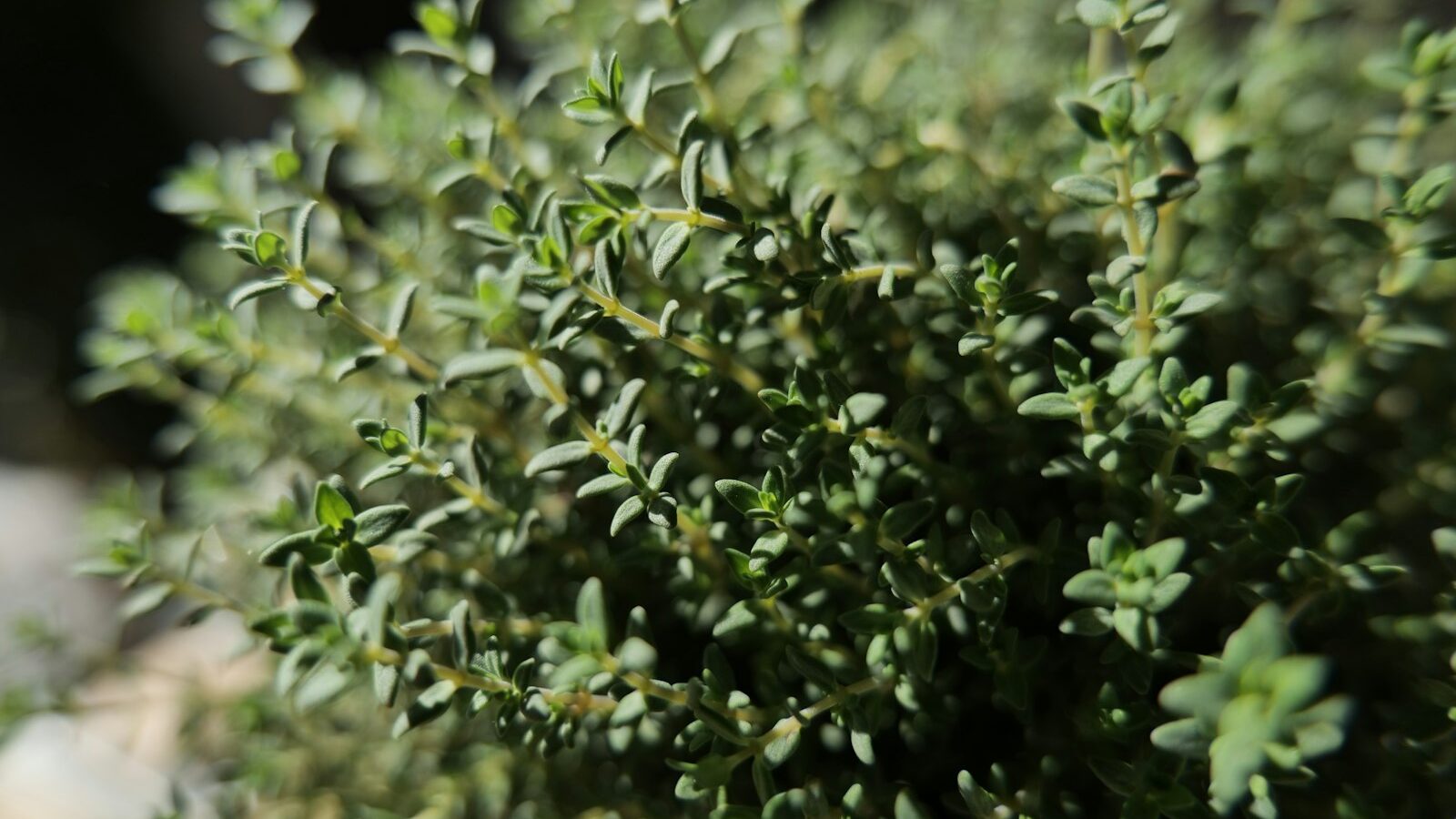
Lemon thyme (Thymus citriodorus) gives you everything gardeners love about common thyme, plus a bright, citrusy lift that makes it one of the most useful herbs you can grow. The low, spreading, woody plant releases a clean lemon-and-thyme scent the moment you brush it, and it works equally hard as a fragrant ground cover, a tough edging plant, and a kitchen staple for chicken, fish, vegetables, and tea. Best of all, it is a hardy perennial in USDA zones 5 through 9, so a single planting earns its place for years. Here is how to grow lemon thyme well, from choosing a spot to harvesting at peak flavor.
Key Takeaways
- Hardiness: Perennial in USDA zones 5–9; semi-evergreen in mild winters.
- Site: Full sun and sharply drained, lean soil. Wet, rich ground is its enemy.
- Spacing: Set plants 10–12 inches apart; mounds reach 6–12 inches tall and spread 12–16 inches wide.
- Water: Drought-tolerant once established; let soil dry between deep waterings.
- Harvest: Snip sprigs anytime; flavor is strongest just before the pink summer flowers open.
What Is Lemon Thyme?
Lemon thyme is a hybrid thyme prized for the lemony note in its essential oils, layered over the familiar warm, earthy thyme base. It forms a dense, low cushion of tiny oval leaves on wiry woody stems, topped in early-to-midsummer with clusters of small pale-pink to lilac flowers that bees adore. You will find several named selections, including golden lemon thyme and variegated ‘Silver Queen’, which add bright foliage color to the citrus fragrance and are just as usable in the kitchen.
Because it stays low and spreads sideways, lemon thyme does double duty: it softens the front of a border, fills gaps between stepping stones where it tolerates light foot traffic, and spills attractively over the edge of a container or wall. Few herbs are as ornamental and as practical at the same time.
Choosing the Right Site and Soil
Like all thymes, lemon thyme is Mediterranean at heart and wants hot, bright, dry conditions. Give it full sun, at least six hours and preferably more. In shade it grows thin and floppy, loses its compact cushion shape, and its fragrance fades. The more sun it gets, the more intense the lemon scent.
Drainage matters more than fertility. Lemon thyme thrives in lean, gritty, even rocky soil with a pH around 6.0 to 8.0, and it will sulk and rot in heavy, wet clay. If your soil holds water, amend the bed with coarse sand and grit or plant on a slight mound or raised bed. In containers, use a fast-draining mix cut with extra perlite or sand, and always choose a pot with open drainage holes. Terracotta is ideal because it wicks excess moisture away from the roots.
How to Plant Lemon Thyme
Why You Should Not Start From Seed
Here is an important quirk: because lemon thyme is a hybrid, it does not come true from seed. Seed-grown plants are unreliable and often lack the lemon scent entirely. For that reason, always start with a nursery plant, a cutting, or a division from a known lemon thyme. This is the one common herb where buying a plant beats sowing seed.
From Cuttings, Layering, or Division
Lemon thyme propagates very easily. In late spring or early summer, take 2–3 inch softwood cuttings, strip the lower leaves, dip in rooting hormone, and set them in a gritty mix; most root within two to three weeks. Even simpler is layering: pin a low-growing stem to the soil with a piece of wire, keep that spot lightly moist, and it will root on its own within a month, after which you can sever and transplant it. Established clumps can be divided in early spring just as new growth appears.
Spacing and Setting Out
Plant out after your last spring frost. Space plants 10–12 inches apart so each can spread into a 12–16 inch cushion with airflow between mounds. Dig a hole the depth of the root ball, set the crown at soil level, backfill, firm gently, and water in once. After establishment, the plant prefers to be left a little dry rather than coddled.
Watering, Feeding, and Ongoing Care
Water new plants regularly for the first month while roots establish, keeping the soil lightly moist but never soggy. Once established, treat lemon thyme as drought-tolerant: water deeply only when the top inch or two of soil is dry, perhaps once a week in summer heat and less in cooler weather. Container plants dry faster and need closer attention, but even there, err on the dry side. Yellowing, blackening lower growth almost always signals overwatering rather than thirst.
Feeding is minimal. A thin topdressing of compost in spring is all it needs. Rich feeding produces lush but flavorless growth that flops and rots, so keep the diet lean. The same low-fuss approach works for the wider family of Mediterranean culinary herbs such as oregano, rosemary, and savory, which all share lemon thyme’s love of sun and sharp drainage.
The most important maintenance task is annual pruning. Each spring, once new green growth appears, shear the plant back by about a third to remove old woody stems and encourage fresh, leafy growth from the base. Shear again lightly right after flowering to keep the cushion dense and prevent it from going bare and woody in the center. Without this haircut, lemon thyme becomes a sparse, twiggy tangle within a few years. Replace plants every four to five years as they age.
Cold Hardiness and Overwintering
In zones 5–9, lemon thyme overwinters in the ground and stays semi-evergreen in milder climates, often offering a few usable leaves even in winter. In zone 5 and colder, protect the crown after the ground freezes with a loose, airy layer of evergreen boughs or straw to buffer freeze-thaw heaving, then remove it in early spring so the crown can dry. Good drainage is the real key to winter survival; thyme tolerates cold far better than it tolerates wet, frozen soil. In containers, move pots to a sheltered spot or an unheated garage in the harshest zones, and water only enough to keep roots from completely desiccating.
Pests, Diseases, and Troubleshooting
Lemon thyme is one of the most pest-resistant herbs you can grow; its aromatic oils deter most insects, and deer and rabbits generally leave it alone. When problems appear, they are nearly always about moisture or air:
- Root rot (mushy, blackening crown): caused by wet soil. Improve drainage, cut back watering, never mulch over the crown.
- Powdery mildew or gray mold in humid weather: improve airflow with spacing and pruning, and water at the base only.
- Leggy, scent-poor growth: too little sun or too much fertilizer; move to brighter conditions and stop feeding.
- Bare, woody center: from skipped pruning or old age. Shear hard in spring or replace the plant.
- Occasional spider mites in hot, dry, stagnant air: rinse foliage and improve airflow.
Harvesting and Using Lemon Thyme
You can harvest lemon thyme lightly as soon as the plant is established, snipping sprigs as you need them all season long. For preserving, the leaves are most aromatic just before the flowers open in early-to-midsummer; harvest in the morning after the dew dries for the strongest oils. Cut sprigs with clean snips and never remove more than a third of the plant at once.
Strip the tiny leaves from the stems by running your fingers down the stalk against the grain. Lemon thyme is wonderful with roast chicken and fish, tucked into roasted vegetables, whisked into vinaigrettes and marinades, baked into shortbread, or steeped fresh as a fragrant tea. Add it toward the end of cooking to preserve the delicate citrus note, which can fade with long heat. To preserve, dry small bundles in a warm, dark, airy spot for one to two weeks, then store the stripped leaves in an airtight jar away from light, where they keep their flavor for up to a year. Chopped leaves also freeze well in olive oil in ice-cube trays. As an ornamental bonus, lemon thyme’s summer flowers are a magnet for bees and other pollinators, so a patch near the vegetable and flower beds works hard for the whole garden.
Frequently Asked Questions
Can I grow lemon thyme from seed?
It is not recommended. Lemon thyme is a hybrid and does not come true from seed, so seed-grown plants are unreliable and often lack the lemon scent. Start from a nursery plant, cutting, layering, or division instead.
Is lemon thyme winter hardy?
Yes. It is a perennial hardy in USDA zones 5–9 and stays semi-evergreen in mild climates. In zone 5 and colder, protect the crown with airy mulch after the ground freezes and make sure the soil drains well.
How often should I water lemon thyme?
Water new plants regularly for the first month. Once established, it is drought-tolerant; water deeply only when the top inch or two of soil is dry. Overwatering causes root rot and is the most common cause of death.
Why is my lemon thyme woody and sparse?
Lemon thyme needs an annual haircut. Shear it back by about a third each spring as new growth appears, and again after flowering, to keep it dense. Plants naturally get woody after four to five years and should be replaced.
What is lemon thyme good for in cooking?
It pairs beautifully with chicken, fish, roasted vegetables, vinaigrettes, marinades, shortbread, and herbal tea. Add it near the end of cooking to keep the bright citrus flavor, which fades with long heat.