

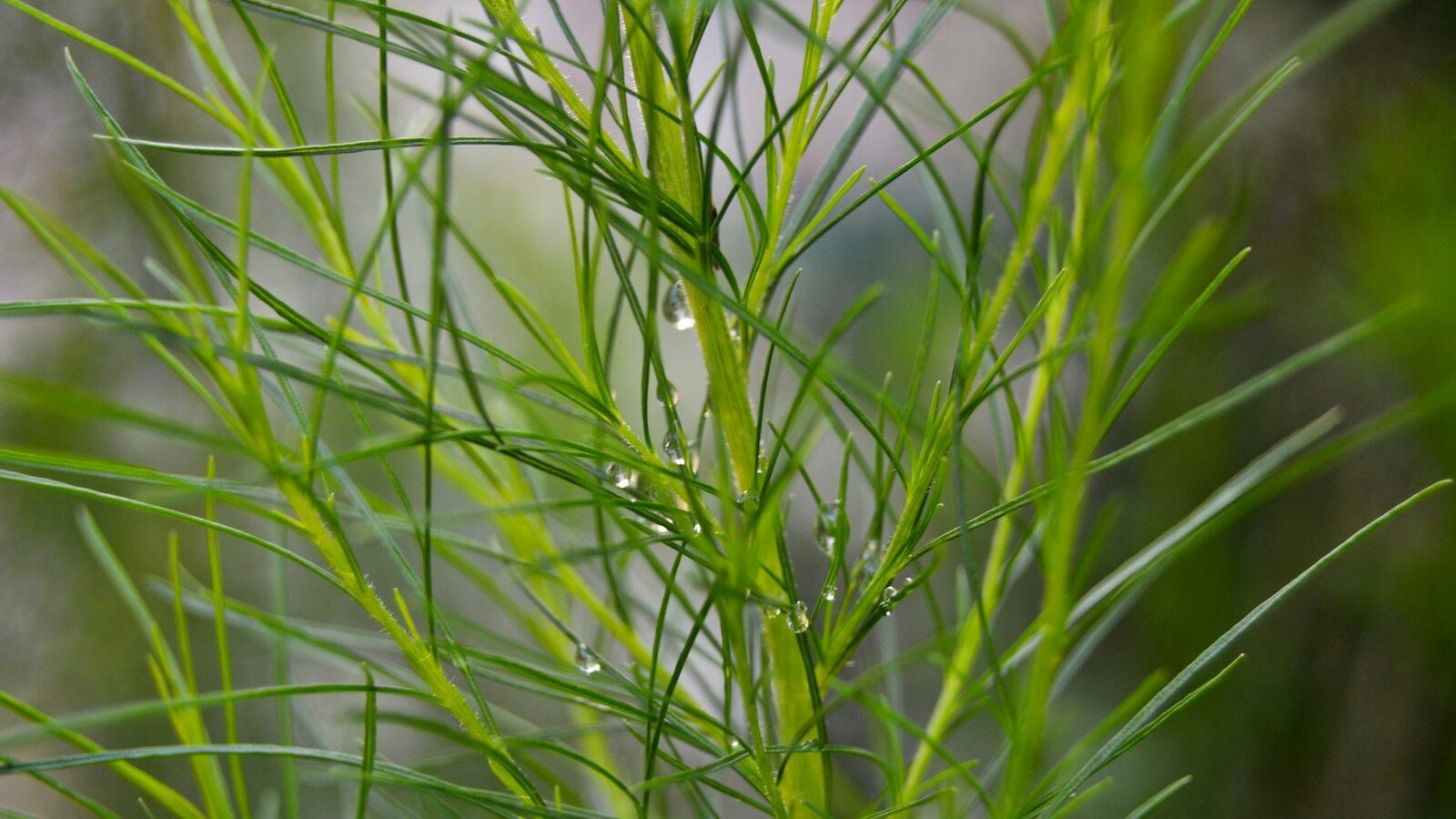
Dill (Anethum graveolens) is one of the fastest, most forgiving herbs you can grow, going from a direct-sown seed to a harvestable plant in about six to eight weeks. Both the feathery foliage (“dill weed”) and the flat seed heads are kitchen staples, the former for fish, potatoes and dips, the latter for pickling cucumbers and brines. The catch is that dill resents transplanting, bolts quickly in heat, and is short-lived per plant, which is exactly why the smartest growers sow a little every few weeks rather than planting one big patch. Get the timing and the succession rhythm right and you will have fresh, aromatic dill from late spring straight through fall.
Key Takeaways
- Direct-sow dill where it will grow — it has a taproot and hates root disturbance, so skip transplanting.
- Sow ¼ inch deep, thin to 8–12 inches apart, in full sun and well-drained soil at pH 5.8–6.5.
- Foliage is ready in 6–8 weeks; seed heads in roughly 90 days.
- Succession-sow every 2–3 weeks because each plant bolts and fades fast, especially in heat.
- Let a plant or two go to seed and dill will self-sow and return year after year.
Choosing a Dill Variety
Variety choice matters more than people expect because dill is grown for two different products. If you mainly want lots of leafy foliage that resists bolting, choose a “leaf” or “bouquet” type bred to stay productive longer. If pickling is your goal, you want a variety that produces large, generous seed heads.
- ‘Bouquet’ — the classic all-rounder, abundant foliage plus big seed heads, 24–36 inches tall.
- ‘Fernleaf’ — compact and slow to bolt at 18 inches, ideal for containers and small beds; an All-America Selections winner.
- ‘Mammoth’ (Long Island Mammoth) — tall and vigorous, the traditional pickling dill with large heads.
- ‘Dukat’ — leafy, sweet-flavored, slow-bolting type prized for fresh culinary use.
When to Plant Dill
Dill is a cool-season-tolerant annual that germinates best in soil between 60°F and 70°F, though it will sprout in soil as cool as 50°F. Sow seeds directly outdoors about one to two weeks before your last spring frost — light frost rarely kills established seedlings. In USDA zones 8 and warmer, you can also sow in early fall for a cool-season crop that avoids summer bolting.
The single biggest mistake is treating dill like a one-and-done planting. Because each plant rushes to flower and set seed — particularly once daytime temperatures climb past 80°F — a stand of dill sown all at once will all bolt at the same time, leaving you with seed heads but no tender foliage. Sow a fresh short row every two to three weeks from spring through midsummer to keep a steady supply of leaf dill. In hot-summer regions, pause sowing during the peak heat and resume in late summer as nights cool.
Where to Plant: Light and Soil
Give dill full sun — at least six to eight hours of direct light. In too much shade the stems flop, growth slows, and the flavor turns weak. Because mature ‘Bouquet’ and ‘Mammoth’ plants can reach two to three feet and are prone to toppling in wind, choose a sheltered spot or plan to stake taller types, and place dill toward the back or center of a bed where its airy foliage won’t shade shorter crops.
Dill prefers a loose, well-drained loam with a slightly acidic pH between 5.8 and 6.5. It is not a heavy feeder; in fact, overly rich soil produces lush but floppy foliage with diluted flavor. Work in a modest amount of compost before sowing and skip the heavy nitrogen. The one non-negotiable is good drainage — dill’s taproot rots in soggy ground. If your soil is heavy clay, grow dill in a raised bed or a deep container at least 10–12 inches deep to accommodate the root. For more on container herb growing, see our guide on building an herb spiral.
How to Sow Dill Seed
Always direct-sow. Dill develops a long taproot early, and disturbing it during transplanting triggers premature bolting and sets the plant back badly. Rake the seedbed smooth, then scatter or row-sow seeds about ¼ inch deep — they need a little light to germinate, so don’t bury them. Space rows 12 to 18 inches apart. Keep the surface consistently moist and you should see sprouts in 10 to 21 days, with germination quickest in warm soil.
Thinning
Once seedlings reach two inches tall, thin them to stand 8 to 12 inches apart. Crowded dill produces spindly, weak plants and poor air circulation. Snip the unwanted seedlings at soil level with scissors rather than pulling, which can disturb the roots of the keepers. Don’t waste the thinnings — those baby fronds are perfectly edible.
Watering and Feeding
Provide dill with about one inch of water per week, more during hot, dry spells. Consistent moisture keeps foliage tender and delays bolting; letting plants dry out and wilt repeatedly is one of the fastest ways to push them into flower. Water at the base in the morning so the fine foliage dries quickly, which discourages fungal problems. A thin layer of mulch helps conserve moisture and keep roots cool, buying you a longer leaf harvest.
Feeding should be light. A single side-dressing of balanced fertilizer or a dilute liquid feed a few weeks after thinning is plenty. Excess nitrogen produces tall, weak, less-flavorful plants. Container-grown dill in a soilless mix benefits from a half-strength liquid feed every three to four weeks, since potting media holds fewer nutrients than garden soil.
Supporting and Managing Bolting
Tall varieties grown in open, windy sites benefit from staking or a few stakes with twine run around the row. Bolting — the shift to flowering — is natural and inevitable, triggered by heat, lengthening days, root stress, and the plant’s own age. To extend the leaf harvest, pinch off flower stalks as they form; this redirects energy back into foliage for a while. But once a plant is determined to flower, it’s often more productive to let it finish, harvest the seed, and rely on your succession sowings for fresh leaves. Leaving one or two plants to flower also attracts beneficial insects and allows self-seeding.
Pests and Diseases
Dill is largely trouble-free, but a few issues come up. Aphids sometimes cluster on tender growth and flower heads; a strong spray of water or an insecticidal soap usually clears them, and the beneficial insects dill attracts often handle them for you. Black swallowtail caterpillars — striped green, black and yellow — feed on the foliage; many gardeners deliberately plant extra dill to host these future butterflies and simply move them off the plants they want to harvest.
On the disease side, powdery mildew and downy mildew can appear in humid conditions or crowded plantings — good spacing, morning watering and airflow are the best prevention. Damping-off can kill seedlings in cold, wet soil, so don’t sow too early into cold ground. Avoid planting dill where you grew it last year, and don’t crowd it near carrots, which it can cross-pollinate with and whose pests it shares.
Companion Planting
Dill is a famously good companion for cabbage-family crops, attracting the wasps and ladybugs that prey on cabbage worms and aphids. It also pairs well with cucumbers, lettuce, onions and corn. Keep it away from carrots and fennel, however — it can cross-pollinate or stunt them. The flowers are magnets for pollinators and predatory insects, so a flowering dill plant earns its keep in the vegetable patch even after its leaves are past their best. If you grow a kitchen garden, dill belongs among your other easy culinary herbs like parsley.
Harvesting Dill
You can begin snipping fronds once the plant has four or five feathery leaves, usually six to eight weeks from sowing. Harvest in the morning when essential oils peak, taking outer leaves first and never more than about a third of the plant at once so it keeps producing. Use a clean scissors and cut whole leaf stems near the main stalk. Fresh dill foliage loses its punch quickly, so harvest close to when you’ll use it.
Harvesting seed
For pickling and seed, let plants flower and form their umbrella-shaped heads, then watch the seeds turn from green to tan, roughly 90 days after sowing. Cut the heads with several inches of stem when most seeds have browned but before they shatter. Hang the heads upside down inside a paper bag in a dry, airy spot for a week or two; the seeds will drop into the bag as they finish drying.
Storing and Preserving
Fresh dill keeps about a week in the fridge with stems in a glass of water and a loose bag over the top. To preserve more, chop the foliage and freeze it in ice-cube trays with a little water or oil, or freeze whole sprigs flat in a bag — frozen dill holds its flavor far better than dried. If you do dry it, do so quickly in a dehydrator or a warm, dark spot, since slow air-drying dulls the flavor fast. Store dried seed in an airtight jar away from light, where it stays viable both as a spice and for next season’s sowing for three to four years.
Frequently Asked Questions
Why does my dill keep bolting so fast?
Heat, long summer days, dry soil and root disturbance all push dill to flower. Keep soil evenly moist, grow slow-bolt varieties like ‘Fernleaf’ or ‘Dukat’, and succession-sow every 2–3 weeks so you always have young leafy plants.
Can I grow dill in a pot?
Yes. Use a container at least 10–12 inches deep to fit the taproot, fill with well-drained potting mix, place in full sun, and choose a compact variety like ‘Fernleaf’. Direct-sow rather than transplanting.
Should I start dill indoors and transplant it?
It’s best not to. Dill forms a taproot and resents disturbance, which often triggers bolting. Direct-sow it where it will grow. If you must start indoors, use deep biodegradable pots and transplant before the taproot circles.
Does dill come back every year?
Dill is an annual, so individual plants don’t return. But if you let a plant or two flower and drop seed, it readily self-sows and a new crop will pop up the following season in the same spot.
What’s the difference between dill weed and dill seed?
“Dill weed” is the fresh or dried feathery foliage, milder and used for fish, dips and potatoes. Dill seed is the dried seed from the flower head, stronger and more pungent, used mainly for pickling and brines.