

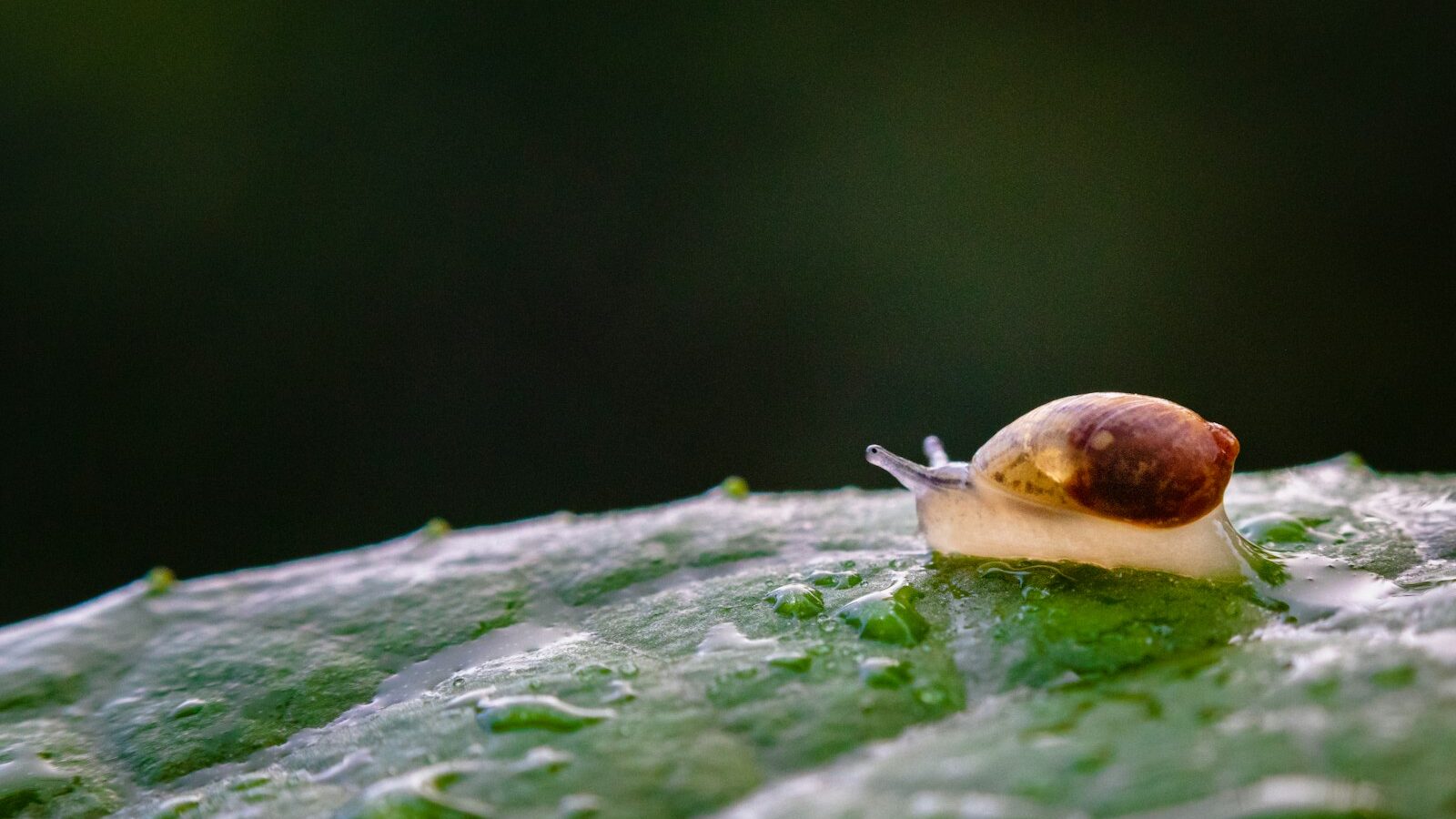
Few things are more disheartening than walking out to your garden in the morning to find tender seedlings shredded overnight and hosta leaves riddled with holes. Slugs and snails are stealthy, slime-trailing feeders that do their damage under cover of darkness and damp. The good news: with a layered approach of barriers, traps, smart watering, and pet-safe baits, you can protect your plants without resorting to harsh chemicals.
Key takeaways
- They feed at night & love damp conditions
- Hand-pick after dark; set beer traps
- Copper tape & grit make good barriers
- Use iron-phosphate pellets (pet-safe) not metaldehyde
- Water in the morning & remove hiding spots
As an Amazon Associate we earn from qualifying purchases.
How to know slugs or snails are the culprit
Before you wage war, confirm your enemy. Slugs and snails leave a distinctive calling card, and recognizing the signs early lets you act before a small problem becomes a stripped flower bed.
Telltale signs of slug and snail damage
- Ragged, irregular holes in the middle and edges of leaves, with smooth or scalloped edges (unlike the neat geometric cuts of caterpillars).
- Silvery slime trails on leaves, stems, soil, and nearby paving that glisten in morning light.
- Damage to low, soft growth first — seedlings, lettuces, marigolds, dahlias, and hostas are favorites.
- Whole seedlings vanishing overnight, sometimes sheared off right at the soil line.
- Worst after rain or watering, and in shady, sheltered, humid spots.
Because these mollusks are most active at night and during overcast, wet weather, you may rarely see them in action. Grab a flashlight a couple of hours after sunset and you will likely catch them feeding. Daytime, they retreat to cool, moist hiding places — under pots, mulch, boards, and leaf litter.
The control ladder: start gentle, escalate as needed
The smartest slug strategy is layered. No single method wipes them out, but stacking several inexpensive tactics dramatically reduces the population and the damage. Start with the gentlest, lowest-cost options and add more firepower only where pressure stays high.
Hand-picking after dark
It is not glamorous, but hand-picking is the single most effective method for an immediate dent in the population. Head out about two hours after sunset with a flashlight (a headlamp keeps your hands free) and a bucket of soapy water. Check the undersides of leaves, the soil around prized plants, and the edges of beds. Drop what you find into the bucket. Do this for several nights in a row, especially after rain, and you will see a steep drop in fresh damage.
Beer traps
Slugs are drawn to the yeast in beer. Sink a shallow container — a cottage cheese tub, jar lid, or purpose-made trap — into the soil so the rim sits about half an inch above ground (so you don’t trap beneficial ground beetles). Fill it with an inch of cheap beer. Slugs crawl in and drown. Empty and refresh every couple of days, and place traps every few feet for heavy infestations. A cheap yeast-and-sugar-water mix works too if you would rather not spend beer money.
Barriers that stop them in their tracks
Physical and abrasive barriers exploit the soft, moist underside of slugs and snails. They work best as a protective ring around vulnerable plants, raised beds, and containers.
Copper tape and copper barriers
Copper reacts with slug slime to deliver a mild electric-like jolt that they refuse to cross. Wrap copper slug tape around the rims of pots, raised-bed edges, and seedling trays. For it to work, the enclosed area must be slug-free first — otherwise you simply trap them inside the ring with your plants. Keep the tape clean and free of leaf bridges that let them detour over the top.
Diatomaceous earth and gritty mulches
Sharp, dry materials scratch and dehydrate soft-bodied slugs. Food-grade diatomaceous earth sprinkled in a ring around plants is a classic option. Crushed eggshells, coarse horticultural grit, sharp sand, and pine bark also slow them down. The big limitation: these lose effectiveness when wet, so reapply after rain or watering. They shine in dry spells and in containers.
Remove the daytime hiding spots
Every slug you kill at night was sheltering somewhere by day. Reducing damp, dark hideouts is one of the most underrated controls because it shrinks the population at its source.
- Clear away boards, bricks, old pots, and plant debris where slugs gather.
- Keep mulch pulled back a couple of inches from the stems of vulnerable plants.
- Thin overcrowded plantings to improve airflow and let the soil surface dry.
- Tidy leaf litter and dense ground cover near prized beds.
- Turn this into a trap: lay a damp board or upturned grapefruit half overnight, then collect the slugs sheltering underneath each morning.
Iron-phosphate pellets: the pet-safe bait
When cultural methods aren’t enough, a modern slug bait fills the gap. There are two main chemistries, and the difference matters enormously for the safety of pets, kids, and wildlife.
Choose iron phosphate, avoid metaldehyde
- Iron-phosphate pellets (recommended): Slugs eat the bait, stop feeding, and die within a few days. Iron phosphate breaks down into soil nutrients and is considered safe to use around pets and wildlife when applied as directed. Many products are approved for organic gardening. Scatter iron phosphate slug bait thinly around plants — a pellet every inch or two, not a pile — and reapply after heavy rain.
- Metaldehyde (avoid): Older blue pellets contain metaldehyde, which is highly toxic to dogs, cats, and wildlife and can be fatal if eaten. Many regions have restricted or banned it for exactly this reason. There is no good reason to use it when a safer, equally effective alternative exists.
Whatever bait you choose, apply lightly. A thin, even scatter is more effective than heavy piles, which slugs tend to avoid, and it keeps any product out of reach of curious pets.
Recruit nature’s slug patrol
A garden teeming with predators keeps slug numbers in check around the clock — for free. Building a habitat that welcomes these helpers is the most sustainable long-term strategy.
- Birds like thrushes and robins devour slugs and snails. A bird bath, feeder, and a few shrubs for cover invite them in.
- Frogs and toads are voracious slug hunters. A small pond or even a partly buried “toad house” gives them a home — see our guide on how to attract frogs (natural pest control).
- Ground beetles hunt slugs and their eggs at night. Provide leafy refuges and avoid broad-spectrum insecticides that wipe them out.
- Hedgehogs (in regions where they live) and slow-worms also feast on slugs.
The trade-off worth remembering: open beer traps and overuse of pellets can harm the very ground beetles and other allies you want to encourage. Lean on habitat and barriers first, and reserve baits for high-pressure spots.
Water in the morning & protect your most vulnerable plants
Slugs travel and feed in moisture, so a wet garden at dusk is an open invitation. Switching your watering routine and giving extra cover to favorite targets makes a real difference.
Water early in the day
Watering in the morning lets the soil surface dry out by nightfall, exactly when slugs become active. Evening watering does the opposite — it leaves the ground damp and slug-friendly all night. Drip irrigation or watering at the base of plants, rather than overhead, keeps foliage drier and less appealing.
Guard seedlings and hostas
Young seedlings are slug candy — one bad night can erase an entire sowing. Start seeds in pots or trays raised off the ground, ring them with copper tape or grit, and only transplant out once plants are sturdy. Hostas are the classic slug magnet; choose thick-leaved, slug-resistant varieties where you can, surround them with grit, and bait the area in early spring as new shoots emerge. For more on keeping these shade favorites pristine, see our hosta care guide.
Slugs rarely travel alone with other pests. If you are also battling sap-suckers, our guide on how to get rid of aphids pairs well with this one, and you will find the full strategy in our plant & flower care guide.
Frequently asked questions
What is the fastest way to get rid of slugs and snails?
Hand-picking after dark gives the quickest results — head out two hours after sunset with a flashlight and drop them into soapy water. Pair it with beer traps and iron-phosphate bait around your most vulnerable plants for a fast knock-down, then keep up the habitat changes to stop them coming back.
Are slug pellets safe for pets and children?
It depends on the chemistry. Iron-phosphate pellets are considered safe to use around pets and wildlife when applied as directed and break down into soil nutrients. Older metaldehyde pellets are highly toxic to dogs and cats and can be fatal — avoid them entirely and choose iron phosphate instead.
Does beer actually attract slugs?
Yes. Slugs are drawn to the yeast in beer and will crawl into a sunken container of it and drown. Set the trap rim about half an inch above soil level so you don’t accidentally catch helpful ground beetles, and refresh the beer every couple of days.
Why do slugs love my hostas so much?
Hostas have soft, moisture-rich leaves that sit low and stay shaded and damp — ideal slug feeding conditions. Choose thick-leaved, slug-resistant hosta varieties, ring plants with grit or copper, and bait the area in early spring as new shoots emerge.
Will copper tape really keep slugs away?
Copper reacts with slug slime to produce a mild deterrent jolt they won’t cross, so copper tape works well around pots, raised beds, and trays. Just make sure the enclosed area is slug-free first, and remove any leaf or stem “bridges” that let them climb over the barrier.