

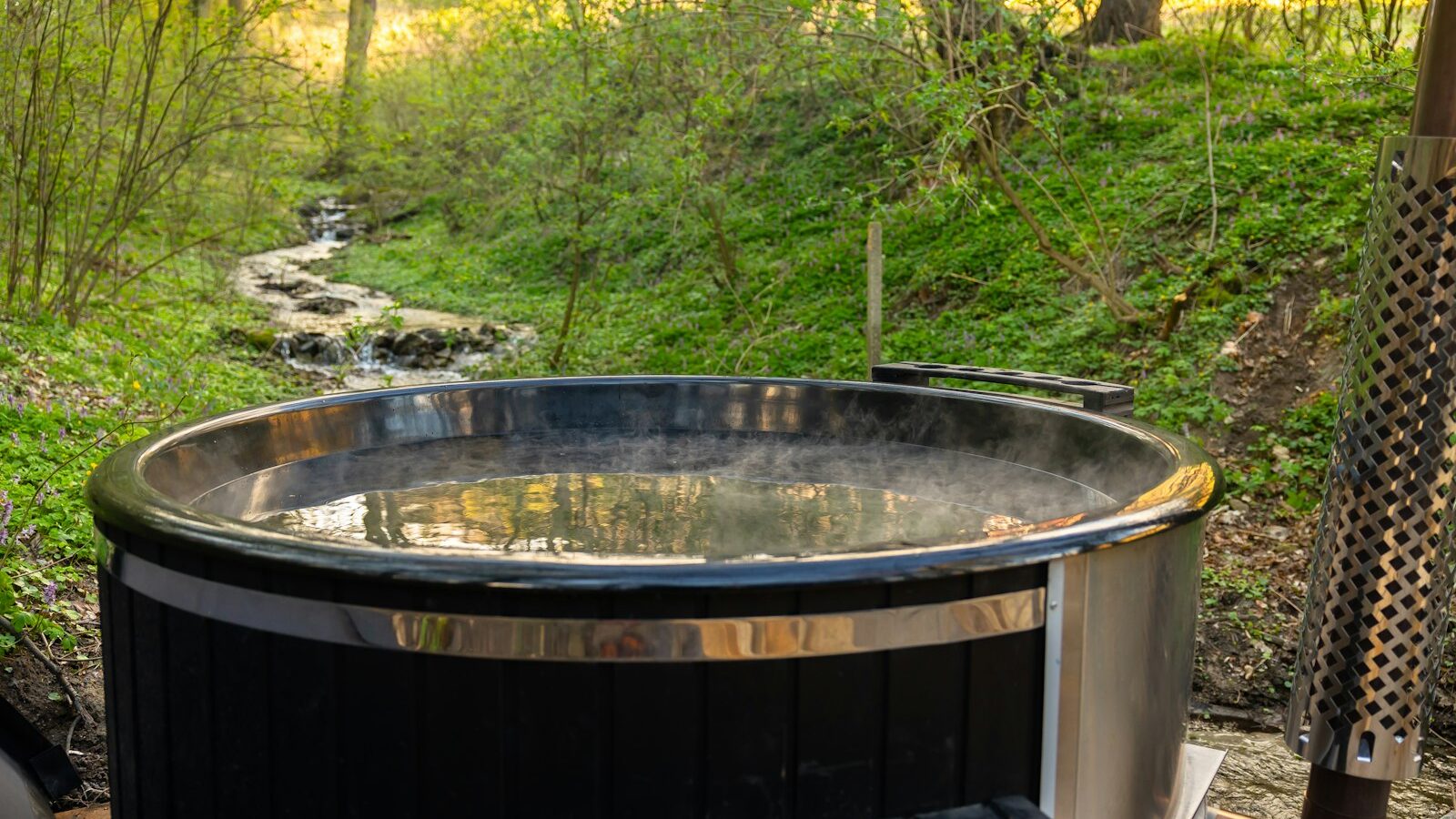
A hot tub turns into a true retreat only when you can actually relax in it—and relaxation depends on privacy. Without screening, a spa sits exposed to neighbors’ windows, the street, and the wind. Good hot tub landscaping solves all of that at once: it wraps the tub in greenery and structure for seclusion, blocks chilly breezes, and turns a utilitarian appliance into the centerpiece of an outdoor room. This guide covers privacy strategies that work in real yards, the best plants to surround a spa (and the ones to avoid), and the design, lighting, and surface choices that pull it all together into a place you genuinely want to soak in.
Key Takeaways
- Combine layers—fence or pergola for instant structure plus evergreen plants for living screening—rather than relying on one method.
- Privacy only needs to block sightlines at seated soaking height (roughly 3 to 6 feet), so you rarely need a towering screen.
- Choose evergreen, low-litter plants like arborvitae, bamboo (clumping only), and ornamental grasses to avoid leaves and debris in the water.
- Keep a clear maintenance gap around the tub’s access panel and leave non-slip, heat-friendly surfaces underfoot.
- Warm, low-level lighting and a wind-blocking layout extend how often the spa actually gets used.
Start With a Privacy Strategy
Before choosing plants or materials, map your sightlines. Sit in the spot where you will actually soak and look around: which directions expose you to neighbors’ upper windows, the street, or a shared fence line? You almost never need to screen all four sides. Blocking the one or two open directions is cheaper, looks lighter, and keeps the space from feeling boxed in. Also note your prevailing wind direction—the same screen that gives privacy can double as a windbreak, which dramatically improves comfort on cool evenings. The most effective approach layers a quick structural element (fence, pergola, or panels) with living plants that fill in and soften over time.
Structural Privacy: Fences, Screens, and Pergolas
Privacy fences and panels
A section of horizontal-slat or louvered fence, 5 to 6 feet tall, gives instant privacy where you need it. Louvered or slatted designs let some air and light through so the space breathes rather than feeling walled in. Freestanding decorative panels—cedar, composite, or metal laser-cut screens—work well for a single exposed side without committing to a full fence run.
Pergolas and overhead structure
If your tub is overlooked from above—a deck, a balcony, a two-story neighbor—horizontal privacy matters as much as vertical. A pergola overhead blocks those downward sightlines, anchors the spa as an outdoor room, and gives you a frame to hang string lights, a retractable canopy, or a climbing vine. Add a privacy curtain or outdoor drapes on the pergola for adjustable, on-demand seclusion.
Living walls and trellises
A trellis planted with a climbing vine combines structure and greenery in a slim footprint—ideal for tight side yards. Star jasmine, climbing hydrangea, or evergreen clematis give a green screen without the bulk of a hedge.
Best Plants for Hot Tub Privacy
The right plants screen the spa while tolerating the conditions around it—and, crucially, without dropping leaves, needles, flowers, or berries into the water. Favor evergreen, low-litter species:
- Emerald Green Arborvitae — the classic privacy hedge, evergreen, narrow (3–4 ft wide), reaches 12–15 ft, zones 3–8. Plant 2–3 ft apart for a solid wall.
- Clumping bamboo (Fargesia or Bambusa) — fast, lush, tropical feel. Use clumping types only; running bamboo is invasive and will overrun the yard.
- Ornamental grasses (Miscanthus, feather reed grass) — soft, movement-filled screening 4–6 ft tall, zones 4–9, minimal litter.
- Boxwood — dense evergreen for a tidy, formal low-to-mid hedge that takes shearing well.
- Skip laurel (Prunus laurocerasus) — glossy evergreen, fast and dense, excellent tall screen in zones 6–9.
- Star jasmine — evergreen climbing vine for trellises, fragrant white flowers, zones 8–10.
- Tropical accents in pots — banana, canna, elephant ear, and dwarf palms create a resort vibe and can be moved or overwintered.
Plants to avoid near a spa
Skip anything messy or hazardous: pines and other heavy needle-droppers, fruiting and berry-producing trees, and flowers that constantly shed petals all foul the water and clog filters. Avoid plants with aggressive surface roots (willows, some maples) that can heave decking or crack a pad, and steer clear of bee-magnet bloomers planted right at arm’s reach. And never plant running bamboo without a deep root barrier—it will invade everything.
Container Planting Around the Tub
You don’t have to plant in the ground. Large containers let you build a green screen on a deck or patio, rearrange the layout seasonally, and keep aggressive plants (like bamboo) safely confined. Group tall pots with grasses or bamboo for height, mid-size pots with shrubs, and trailing plants at the front for the same layered look used in any good border. Containers also keep roots away from the spa’s plumbing and the access panel. Use frost-proof pots and good drainage, and remember container plants dry out fast—plan to water them often in summer.
Surfaces, Layout, and Access
The ground around the spa matters as much as the screening. Choose non-slip, barefoot-friendly surfaces: textured composite decking, brushed concrete, or natural stone with a riven (non-polished) finish. Avoid smooth tile and slick pavers that turn dangerous when wet. Leave a generous, uncluttered path to the tub and—this is the detail people regret skipping—keep at least 18 to 24 inches of clear, unplanted space around the equipment access panel so technicians can service the pump and heater without tearing out plantings. A small built-in bench or a band of gravel at the entry gives a place to set towels and keeps mud out of the water.
Lighting and Ambiance
Lighting is what makes a hot tub a nighttime destination. Keep it low and warm—harsh overhead floodlights kill the mood and create glare on the water. Wrap string or festoon lights along a pergola or fence, tuck low-voltage path lights along the approach, and add a few uplights at the base of specimen plants or grasses for depth and drama. Solar or low-voltage LED fixtures keep wiring simple and running costs near zero. A small water feature nearby masks neighborhood noise, and a fire bowl or chiminea set safely back extends the season into cool evenings. The goal is a calm, enclosed pool of warm light that makes the spa feel like a private retreat.
Wind, Sun, and Seasonal Comfort
Comfort is what determines whether the spa gets used in October or sits cold under a cover. Two environmental factors drive it: wind and sun. A screen positioned on the prevailing-wind side does double duty—privacy plus a windbreak that keeps the steam from being whipped away and your shoulders from getting chilled the moment you sit up. Dense evergreens, a slatted fence, or a hedge of arborvitae all knock down wind effectively, and you’ll feel the difference immediately on a breezy night.
Sun cuts the other way depending on climate. In cooler regions, an open southern or western exposure lets afternoon and evening sun warm the deck and make the approach pleasant. In hot climates, the opposite—you’ll want a pergola, shade sail, or tall plantings on the west side to keep the area from baking in summer. Deciduous trees or a vine on the pergola offer the best of both: leafy shade in summer that drops to let warming sun through in winter. Think through how you’ll actually use the tub across the seasons, then place structure and plantings to extend that window as long as possible.
Pulling the Design Together
The most inviting hot tub landscapes read as a single outdoor room, not a tub with stuff around it. Repeat a material or two—say, the cedar of the pergola echoed in planter boxes and a bench—and a small palette of plants for cohesion. Layer your privacy: structure where you need height fast, evergreens filling in behind, grasses and containers softening the edges. Then finish with lighting and a comfortable surface underfoot. For more ways to coordinate the spa zone with the rest of your yard, browse the design and hardscape ideas on our Outdoor Living hub, and if you want to add a soothing water element nearby, our water gardens and ponds section covers pumps, plants, and small-feature builds. Keeping the surrounding lawn healthy with a sensible lawn watering schedule rounds out a polished backyard retreat.
Frequently Asked Questions
What is the best plant for hot tub privacy?
Emerald Green Arborvitae is the go-to: it’s evergreen, grows in a narrow column, reaches 12–15 feet, and forms a dense wall when planted 2 to 3 feet apart. For a faster, more tropical look, clumping bamboo (never running types) is excellent. Ornamental grasses and skip laurel are strong alternatives. All are low-litter, which keeps debris out of the water.
How tall does my privacy screen need to be?
Lower than most people assume. Privacy only needs to block sightlines from seated soaking height—roughly 3 to 6 feet—so a 5-to-6-foot fence or hedge usually does it for ground-level views. If you’re overlooked from a deck or second story, add an overhead element like a pergola to block downward sightlines, since height alone won’t help against views from above.
Can I plant directly next to the hot tub?
Yes, but leave breathing room. Keep at least 18 to 24 inches of clear, unplanted space around the equipment access panel so the pump and heater can be serviced. Avoid plants with aggressive roots that could heave the pad or decking, and skip messy droppers right at the water’s edge. Containers are a great way to bring greenery close while keeping roots controlled.
What plants should I avoid around a spa?
Avoid heavy litter and hazards: pines and needle-droppers, fruit and berry trees, and constantly shedding flowers all foul the water and clog filters. Skip aggressive-rooted trees like willows, bee-attracting bloomers right at arm’s reach, and running bamboo, which will invade the whole yard. Choose evergreen, low-litter species instead.
Is bamboo safe to plant near a hot tub?
Clumping bamboo (such as Fargesia) is safe and gives a lush, fast privacy screen. Running bamboo is not—its rhizomes spread aggressively and will overtake your yard and potentially damage hardscape. If you want bamboo, confirm it’s a clumping variety, or grow it in large containers with good drainage to keep it fully contained.