

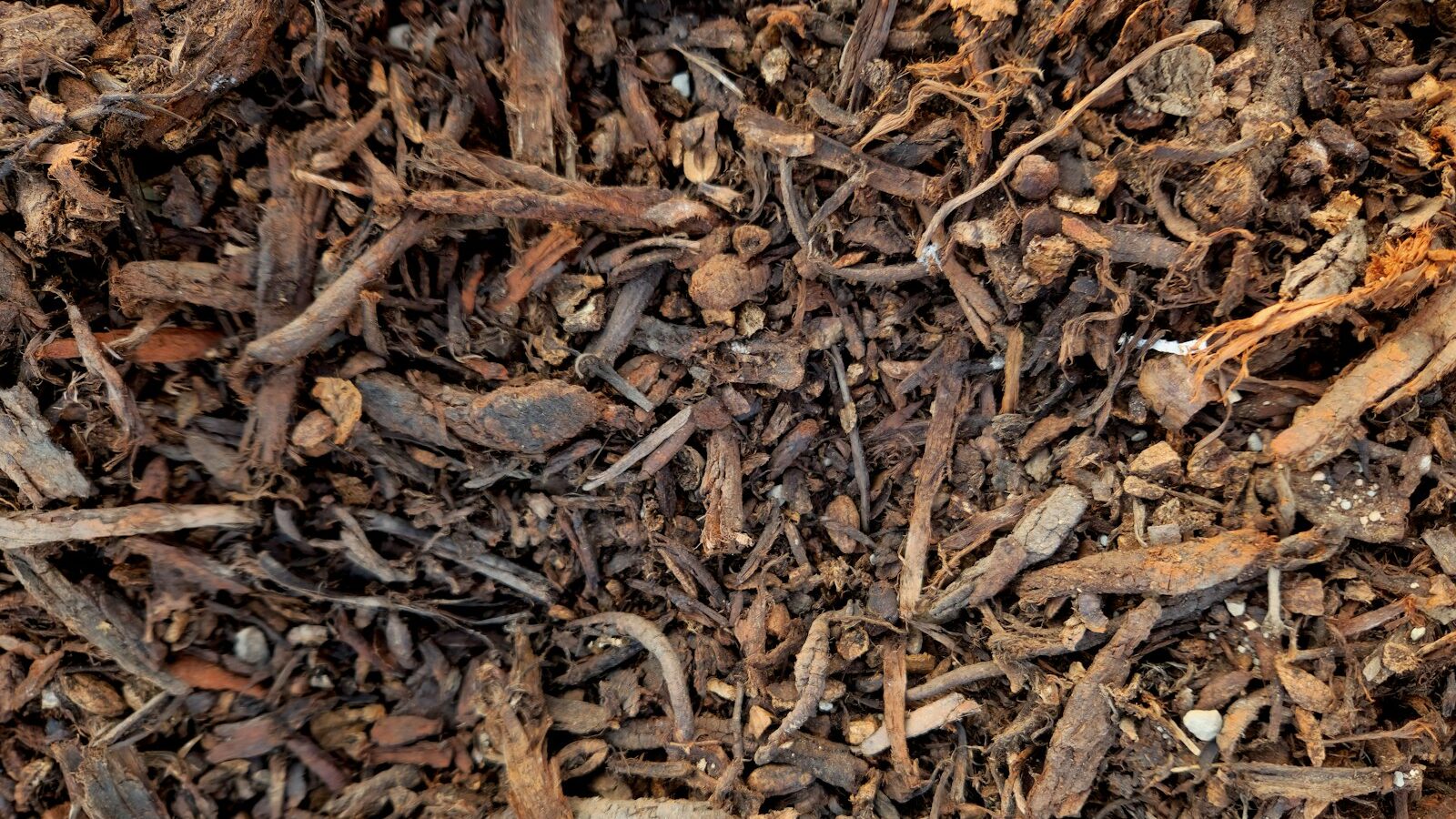
If you are standing in the garden center staring at bags labeled “hardwood” and “softwood” mulch and wondering whether the difference actually matters, here is the short answer: it does, but not in the way most people assume. Hardwood mulch breaks down faster and feeds your soil more aggressively, which makes it ideal for vegetable beds and perennial borders. Softwood mulch, usually pine or cedar bark, lasts longer, resists matting, and is the smarter pick for shrub beds, foundation plantings, and slopes where you do not want to re-mulch every season. Neither one is universally “better” — the right choice depends on what you are mulching, your soil, your climate, and how often you want to refresh it.
Key Takeaways
- Hardwood mulch (oak, maple, mixed shredded) decomposes in 1–2 years, builds soil faster, and is great for beds you cultivate often.
- Softwood mulch (pine, cedar, cypress bark) lasts 2–4 years, resists matting and floating, and excels on shrubs, trees, and slopes.
- Worries about softwood mulch “acidifying” soil are largely a myth — the pH effect is tiny and temporary at the surface.
- Shredded hardwood knits together and stays put on slopes; chunky bark nuggets wash away in heavy rain.
- Apply both at 2–3 inches deep, keep mulch 2–3 inches off trunks and stems, and refresh as it thins.
Hardwood vs Softwood Mulch at a Glance
| Factor | Hardwood Mulch | Softwood Mulch |
|---|---|---|
| Typical sources | Oak, maple, hickory, mixed shredded | Pine, cedar, cypress, fir bark |
| Decomposition rate | Fast — 1 to 2 years | Slow — 2 to 4 years |
| Soil-building value | High; adds organic matter quickly | Lower; breaks down slowly |
| Effect on soil pH | Trends slightly alkaline as it ages | Very slightly acidic at surface only |
| Stays put on slopes | Excellent (shredded knits together) | Poor for nuggets; fair for shredded |
| Nitrogen tie-up risk | Higher if mixed into soil | Lower; sits on surface longer |
| Color retention | Fades to gray in 1 season unless dyed | Cedar/cypress hold color longer |
| Cost per cubic yard | Lower (often the cheapest option) | Moderate to higher |
| Best uses | Veg beds, perennials, annual borders | Shrubs, trees, foundations, slopes |
Hardwood Mulch: Fast-Feeding and Budget-Friendly
Hardwood mulch is made from the wood of deciduous trees — oak, maple, hickory, beech, and the catch-all “mixed hardwood” that most municipal and bagged products use. It is usually sold shredded rather than as nuggets, and that shredded texture is its defining advantage. The fibrous, irregular pieces hook together as they settle, forming a mat that resists wind, foot traffic, and runoff. On a 10 to 15 degree slope where bark nuggets would float to the bottom after the first thunderstorm, double-shredded hardwood stays exactly where you raked it.
Because hardwood breaks down in one to two years, it pumps organic matter into your soil quickly. As soil microbes and earthworms work it from the bottom up, that decomposing layer improves structure, water retention, and microbial life — exactly what vegetable gardens and perennial borders want. This is why experienced growers often choose hardwood for beds they cultivate every season. You are essentially top-dressing with slow compost. The trade-off is that fast decomposition means you re-mulch more often: expect to top up annually to keep that 2 to 3 inch protective layer.
The pH and Nitrogen Questions
You will read that hardwood mulch raises soil pH over time. There is a kernel of truth — well-aged hardwood mulch trends slightly alkaline — but the shift is small and confined to the top inch or two. It is not enough to matter for most plantings. The more legitimate concern is temporary nitrogen tie-up. When fresh wood mulch is mixed into the soil, the microbes decomposing it borrow nitrogen from the surrounding root zone, which can briefly starve plants. The fix is simple: lay mulch on top of the soil rather than tilling it in. Surface-applied mulch only affects the thin contact layer, not your root zone.
One caution: avoid bargain-bin dyed hardwood mulch sold suspiciously cheap. Some is ground from recycled pallets and construction debris (often called CCA-treated waste). Buy from a supplier who sources clean wood. Natural and reputable dyed hardwood mulches are fine; the dyes used today are typically iron oxide or carbon-based and safe for plants.
Softwood Mulch: Long-Lasting and Low-Maintenance
Softwood mulch comes from coniferous, evergreen trees — pine, cedar, cypress, fir, and hemlock. It is most often sold as bark, either in nugget form or shredded. The defining feature of softwood mulch is durability. The natural oils, resins, and lignin in conifer bark resist fungal breakdown, so softwood mulch can last two to four years before it needs significant refreshing. For a homeowner who wants to mulch the foundation shrubs once and forget about them for a couple of seasons, that longevity is the whole point.
Cedar and cypress go a step further. Their aromatic oils are mildly repellent to certain insects and slow to leach, which is why cedar mulch holds its warm color far longer than hardwood and why it is a favorite around patios and walkways. Pine bark nuggets are the most economical softwood option and look tidy in formal shrub beds — but those same lightweight nuggets are softwood mulch’s biggest weakness. In heavy rain they float, and on any meaningful slope they migrate downhill into a pile at the bottom. If you have grade and you want softwood, choose shredded pine or cypress over nuggets.
Does Softwood Mulch Make Soil Acidic?
This is the most persistent mulch myth, and it is mostly wrong. Yes, fresh pine bark is acidic when you test the material itself. But once spread on the soil surface, its effect on actual soil pH is minimal and temporary, limited to the very top layer. Decades of horticultural research have failed to show pine or cedar mulch meaningfully acidifying garden soil. So you do not need acid-loving plants to use softwood mulch — it works fine around roses, boxwood, and law-edge beds. That said, the slight surface acidity does make softwood a natural, complementary choice around azaleas, rhododendrons, blueberries, and other true acid-lovers. For a deeper look at adjusting soil chemistry the right way, our guide on lime vs gypsum for soil covers what actually moves the pH needle.
How to Choose: Match the Mulch to the Job
Stop thinking “which is better” and start thinking “better for what.” Here is how the decision breaks down in practice.
Choose Hardwood Mulch When…
- You are mulching vegetable beds, annual borders, or perennials and want to build soil fertility quickly.
- You have slopes or windy exposures — double-shredded hardwood knits into a mat and stays put.
- You are on a tight budget; mixed hardwood is usually the cheapest mulch by the cubic yard.
- You do not mind refreshing annually as part of normal bed maintenance.
Choose Softwood Mulch When…
- You are mulching shrub beds, trees, or foundation plantings you do not cultivate often.
- You want low maintenance and the longest possible time between re-mulching.
- Appearance and color retention matter — cedar and cypress hold their look for years.
- You are planting around acid-lovers like blueberries, azaleas, or rhododendrons.
Many gardeners run both: shredded hardwood in the productive beds, cedar or cypress around the permanent shrubs and along the front walk where looks count. There is nothing wrong with mixing strategies across your landscape. If you are still in the planning stage and weighing organic mulch against synthetic options, our comparison of rubber vs wood mulch is a useful next read before you buy.
Application: Getting the Most From Either Mulch
The best mulch applied wrong will fail; an average mulch applied right will look great and do its job. Whichever type you choose, follow the same fundamentals.
- Depth: 2 to 3 inches. Less than 2 inches and weeds punch through; more than 3 to 4 inches and you risk suffocating roots and creating a water-shedding crust.
- Keep it off the stems. Pull mulch back 2 to 3 inches from tree trunks and plant crowns. “Mulch volcanoes” piled against bark trap moisture, invite rot, and shelter rodents that gnaw the bark.
- Weed and edge first. Mulch suppresses new weeds but will not smother established ones. Clear the bed, define a clean edge, then mulch.
- Water after applying. A light watering settles the mulch and starts the bottom layer interacting with the soil.
- Refresh, do not pile. When the layer thins to an inch, fluff what remains and top up to 2 to 3 inches rather than dumping fresh mulch on top of old, compacted, possibly matted material.
A common cubic-yard reference: one cubic yard covers about 100 square feet at 3 inches deep, or roughly 160 square feet at 2 inches. Measure your beds before you order so you are not stuck with eight extra bags or, worse, half a bed done.
The Verdict
For the all-around home gardener, shredded hardwood mulch is the most versatile default: it is affordable, it stays put on slopes, and it actively improves your soil — accept that you will refresh it yearly. Choose softwood mulch when longevity, color, and low maintenance matter more than soil-building, especially around permanent shrubs, trees, and the visible front of the house. Forget the soil-acidity scare; it is not a real factor in the choice. Match the mulch to the bed, apply it 2 to 3 inches deep, keep it off the trunks, and either material will reward you with fewer weeds, steadier soil moisture, and a tidier garden. The “better” mulch is simply the one suited to the spot you are filling.
Frequently Asked Questions
Is hardwood or softwood mulch better for vegetable gardens?
Hardwood mulch is generally better for vegetable gardens because it decomposes within one to two years and adds organic matter that improves soil fertility and structure. Keep it on the surface rather than tilling it in to avoid temporary nitrogen tie-up, and refresh the layer each season.
Does softwood mulch really make soil acidic?
Not meaningfully. While fresh pine or cedar bark tests acidic on its own, surface-applied softwood mulch has only a tiny, temporary effect on the top inch of soil. It will not acidify your root zone, so you can use it around most plants, not just acid-lovers.
Which mulch lasts longer?
Softwood mulch lasts longer. Conifer bark’s natural oils and resins resist breakdown, so cedar, cypress, and pine bark can last two to four years. Hardwood mulch decomposes faster, typically needing a refresh every one to two years.
What mulch is best for a slope?
Double-shredded hardwood mulch is best for slopes because its fibrous, irregular pieces knit together into a mat that resists washing away. Avoid bark nuggets on any grade — they float in heavy rain and migrate to the bottom of the slope.
How deep should I apply wood mulch?
Apply both hardwood and softwood mulch 2 to 3 inches deep. Thinner layers let weeds through; thicker layers can suffocate roots and shed water. Always keep mulch pulled 2 to 3 inches back from tree trunks and plant stems to prevent rot.