

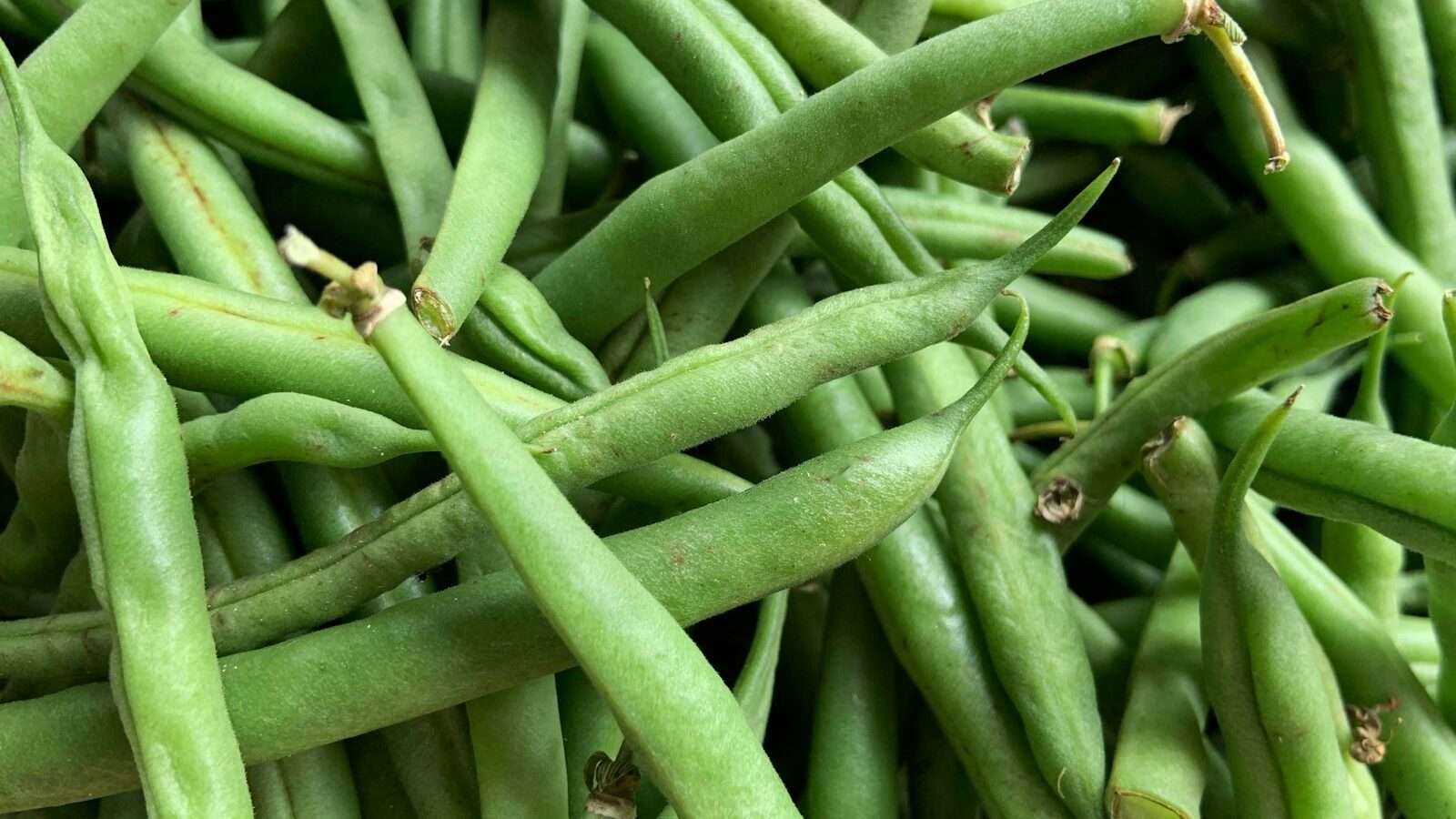
The choice between bush beans and pole beans comes down to one trade-off: speed and simplicity versus total yield. Bush beans stay compact at 1 to 2 feet tall, need no support, and hand you a concentrated harvest in about 50 to 60 days—ideal if you want beans fast or plan to can a batch all at once. Pole beans climb 6 to 10 feet, demand a trellis, take 60 to 70 days to start producing, but then keep cropping for a month or two and deliver more pounds per square foot of soil. Neither is “better.” The right pick depends on your space, your patience, and whether you want a quick concentrated picking or a long steady drizzle of beans through the season.
Key Takeaways
- Bush beans grow 1-2 ft tall, need no support, and mature in ~50-60 days with a concentrated harvest over 2-3 weeks.
- Pole beans climb 6-10 ft, require a trellis or teepee, mature in ~60-70 days, and crop continuously for 1-2 months.
- Pole beans produce more total yield per square foot by growing vertically; bush beans win on speed and zero setup.
- Sow both directly 1 inch deep once soil hits 60F+; space bush beans 2-4 inches apart, pole beans 4-6 inches at the base of supports.
- Choose bush for canning, containers, raised beds, and beginners; choose pole for small footprints, fresh eating over weeks, and maximum harvest.
| Factor | Bush Beans | Pole Beans |
|---|---|---|
| Plant height | 1-2 ft, low and bushy | 6-10 ft, climbing vines |
| Support needed | None | Trellis, teepee, or netting required |
| Days to maturity | ~50-60 days | ~60-70 days |
| Harvest pattern | Concentrated over 2-3 weeks | Continuous over 1-2 months |
| Yield per sq ft | Lower (uses ground space) | Higher (grows vertically) |
| Space needs | Wide rows, more ground area | Narrow footprint, lots of vertical room |
| Beginner-friendliness | Very easy, no setup | Easy, but needs structure planning |
| Succession planting | Excellent; resow every 2-3 weeks | Rarely needed; one planting lasts |
| Container suitability | Good in 8-12 in deep pots | Possible with tall sturdy support |
| Popular varieties | Blue Lake 274 bush, Provider, Contender, Tendergreen | Kentucky Wonder, Blue Lake pole, Scarlet Runner, Rattlesnake |
Bush Beans
Bush beans (a determinate growth habit, much like determinate tomatoes) grow into self-supporting plants 1 to 2 feet tall and roughly as wide. They set their pods in a tight window, which is the defining feature: the bulk of the crop comes ready over about two to three weeks. That makes them perfect when you want a wall of beans all at once for canning, freezing, or pickling. Direct sow them 1 inch deep once soil temperature is reliably 60F or warmer—beans rot in cold, wet ground, so wait until after your last frost date and resist the urge to start early. Space seeds 2 to 4 inches apart in rows 18 to 24 inches apart. Germination is fast and even in warm soil, usually 7 to 10 days, and you do not transplant beans; they resent root disturbance.
Because the harvest is short, succession sowing is the trick that keeps bush beans coming. Plant a new row every 2 to 3 weeks until about 8 to 10 weeks before your first expected fall frost. Each block of plants gives you its concentrated burst, and staggered blocks overlap into a near-continuous supply without the long wait pole beans require. Pick every 2 to 3 days once pods are pencil-thick and snap cleanly—regular picking signals the plant to keep setting pods and stops them from going tough and stringy. Bush beans are legumes that fix nitrogen in the soil through root nodules, so they are light feeders; over-fertilizing with nitrogen gives you leafy plants and few beans.
Bush bean varieties worth growing
Blue Lake 274 bush is the standard for flavor and a tender, stringless pod—a reliable canning and freezing bean. Provider is the cold-tolerance champion: it germinates in cooler soil than most, so it is the one to plant earliest in spring. Contender is fast and dependable, often the first to produce and tolerant of heat and disease, which makes it a good Southern pick. Tendergreen lives up to its name with smooth, stringless pods and consistent yields. For containers, bush types shine—an 8 to 12 inch deep pot, 12 inches or wider, will support a few plants with regular watering, since their compact frame never needs staking.
Pole Beans
Pole beans are the indeterminate cousins: they vine upward indefinitely, reaching 6 to 10 feet, and keep flowering and setting pods until frost or heat shuts them down. They take a little longer to get going—plan on 60 to 70 days to first harvest—but once they start, they produce continuously for a month or two. The payoff is yield. By growing vertically, a single 2-foot-wide row of pole beans on a trellis out-produces the same ground area planted in bush beans, often substantially, because the plant keeps building new growth and new pods all summer. They also pick easier; the beans hang at eye level instead of forcing you to bend and hunt under foliage.
Support is non-negotiable, and you set it up before or at sowing so you do not disturb roots later. The classic options are a bamboo teepee (three to five 8-foot poles lashed at the top, with two or three plants at each leg), a flat trellis of wire or wooden lattice against a fence, or vertical netting strung between posts. Sow seeds 1 inch deep and 4 to 6 inches apart at the base of each support, again only once soil is 60F+. As the vines reach, guide the first tendrils onto the structure; after that they twine on their own. Keep picking every few days—pole beans are even more sensitive than bush types to being left on the vine, and a few overripe pods will tell the plant its job is done and slow new flowering. A trellis of pole beans pairs naturally with vertical growing strategies in a small plot; if you are weighing how to lay out beds, our guide to raised bed versus in-ground gardening covers how support structures fit each.
Pole bean varieties and trellis choices
Kentucky Wonder is the heirloom workhorse—vigorous, productive, with old-fashioned full bean flavor that many gardeners prefer. Blue Lake pole gives you the same beloved Blue Lake taste in a climbing, long-season form. Scarlet Runner does double duty as an ornamental and an edible, throwing brilliant red flowers that pollinators love before setting pods, and it tolerates cooler summers well. Rattlesnake is heat-tolerant with handsome purple-streaked pods, making it a strong choice in hot regions where other beans falter. For structures, a teepee is the simplest and most stable in wind; netting is cheapest and easiest to store; a fixed lattice or fence-mounted trellis is best if you want a permanent, tidy feature. Whatever you choose, make it tall and sturdy—10-foot vines loaded with pods carry real weight.
Head to Head
On raw yield per square foot, pole beans win clearly. They convert vertical air space into pods, so a narrow strip of soil keeps producing for six to eight weeks or more, while bush beans use up horizontal ground and finish in two to three weeks. If your goal is the maximum number of beans from a limited footprint, pole beans are the efficient answer—you trade ground area for height. Bush beans, by contrast, demand more open ground per pound of harvest but reward you with speed: you can be eating beans two to three weeks sooner, and the whole crop arrives together, which is exactly what you want when you intend to preserve a large quantity in one session.
The harvest window is the other deciding factor. Bush beans give you a concentrated flush—great for canning all at once, less great if you want a steady trickle for fresh dinners through summer (which is why succession sowing every 2 to 3 weeks matters for bush types). Pole beans solve the trickle problem automatically: one planting feeds your kitchen for a month or two with no resowing. Both are legumes and improve soil nitrogen, both share the same main pest in the Mexican bean beetle (handpick the coppery adults and crush the yellow egg clusters on leaf undersides), and both need consistent water during flowering and pod set to avoid tough, misshapen beans.
Which Should You Choose?
Choose bush beans if…
- You want the fastest possible harvest, eating beans in about 50-60 days.
- You plan to can, freeze, or pickle a big batch all at once.
- You do not want to build or buy any support structure.
- You garden in containers or a tidy raised bed and prefer compact plants.
- You are new to vegetable gardening and want an easy, forgiving crop.
Choose pole beans if…
- You have limited ground space but plenty of vertical room.
- You want the highest total yield per square foot of soil.
- You prefer eating fresh beans steadily over a month or two.
- You like easier picking at standing height instead of bending.
- You are happy to set up a teepee, trellis, or netting once at planting.
Match the bean to the situation. Working with a small space or a single raised bed where ground area is precious? Pole beans on a teepee in one corner give you the most food for the footprint, and they double as a living screen. Filling a wide row in a big garden and want to put up a winter’s worth of beans in a weekend? Bush beans, sown in a couple of staggered blocks, deliver that concentrated harvest perfectly. Growing in pots on a patio or balcony? Bush varieties in 8 to 12 inch deep containers are the simplest, though a sturdy tall support lets you run pole beans in a large pot too.
Think about how you eat, not just how you grow. If you cook fresh green beans a couple of times a week all summer, pole beans’ long continuous run suits you with no extra effort. If you live off the freezer and want one big preservation push, bush beans match that rhythm. And if you are just starting out, bush beans remove every barrier—no structures, fast results, and quick confidence—while you can graduate to pole beans the following season once you have a trellis plan. Many gardeners do both: a bush block for early eating and canning, plus a pole teepee for the long haul. For more crop-by-crop comparisons, browse our plants and flowers guides.
Frequently Asked Questions
Do bush beans really produce all their beans at once?
Mostly, yes. The bulk of a bush bean crop comes ready over about two to three weeks, which is great for canning but short for fresh eating. To stretch the supply, succession sow a new row every 2 to 3 weeks until roughly 8 to 10 weeks before your first fall frost.
How tall do pole beans get and what kind of support do they need?
Pole beans climb 6 to 10 feet, so they need a tall, sturdy structure: a bamboo teepee, a wire or lattice trellis, or vertical netting. Set the support up at planting time and make it strong—mature vines loaded with pods are heavy and catch the wind.
When should I plant green beans?
Wait until after your last spring frost and until soil temperature is reliably 60F or warmer. Beans rot in cold, wet soil. Sow seeds directly in the garden 1 inch deep; do not start them indoors, since beans dislike transplanting.
Which produces more, bush or pole beans?
Pole beans yield more per square foot because they grow vertically and keep producing for one to two months. Bush beans produce less total per area and finish in two to three weeks, but they start cropping sooner—around 50 to 60 days versus 60 to 70 for pole.
What pest should I watch for on beans?
The Mexican bean beetle is the main one. Handpick the coppery, spotted adults and crush the clusters of yellow eggs you find on the undersides of leaves. Keeping plants healthy and well-watered, and picking pods often, helps the plants stay vigorous and productive.