

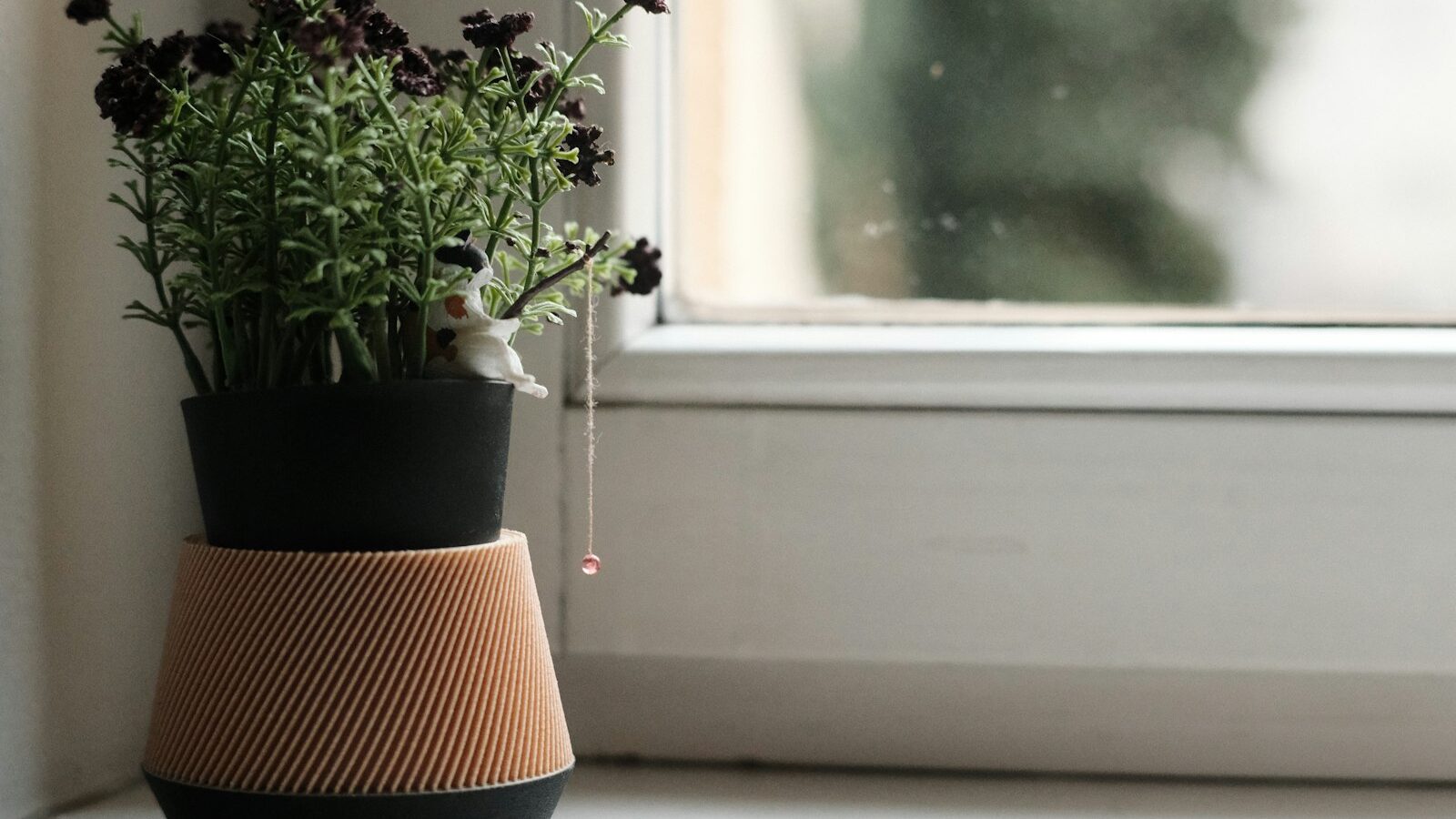
Self-watering planters take the guesswork out of watering by storing water in a hidden reservoir and letting your plants sip it up through wicking action, so you can skip a few days (or a vacation) without coming home to crispy leaves. After comparing dozens of options across price and use case, we narrowed it down to seven standouts for indoor pots, big outdoor containers, raised beds, and balcony railings. Below you’ll find our top picks, a quick comparison table, and a buyer’s guide on how self-watering reservoirs actually work.
As an Amazon Associate we earn from qualifying purchases.
Our top picks
- Best overall: EarthBox Original Garden Kit
- Best for indoor plants: Lechuza Classico Color 35
- Best large outdoor: Mayne Fairfield 20 x 36 Rectangle Planter
- Best raised-bed / elevated: Keter Easy Grow 31.7 Gallon Raised Garden Bed
- Best railing / balcony: Bloem Lucca Self-Watering Balcony Box
- Best modern design: Lechuza Cubico Color 40
- Best budget: City Pickers Raised Bed Grow Box
| Planter | Size | Reservoir | Best for |
|---|---|---|---|
| EarthBox Original | 29 x 14 x 11 in | ~3 gal | Vegetables & herbs (overall) |
| Lechuza Classico Color 35 | 14 x 14 x 13 in | ~0.8 gal | Indoor houseplants |
| Mayne Fairfield 20×36 | 36 x 20 x 16 in | ~11 gal | Large outdoor displays |
| Keter Easy Grow | 44.9 x 19.4 x 29.8 in | 31.7 gal total bed | Elevated raised bed |
| Bloem Lucca Balcony Box | ~24 in, 2.5 gal soil | Built-in | Railings & balconies |
| Lechuza Cubico Color 40 | 16 x 16 x 30 in | ~3 gal | Modern floor planter |
| City Pickers Grow Box | 24.5 x 20.5 in | ~2 gal | Budget patio gardening |
The 7 best self-watering planters
EarthBox Original Garden Kit — best overall
If you want one self-watering container that simply works, the EarthBox is the proven choice. Its sub-irrigation system stores water in a roughly 3-gallon reservoir beneath the soil, and the plant roots draw moisture upward exactly as fast as they need it. The closed design has barely changed in decades because it consistently delivers, cutting watering frequency by up to half compared with a standard pot and minimizing the nutrient loss you get with top-watering.
The 29-inch box is the sweet spot for two tomato plants, a row of peppers, or a generous herb garden, and the included aeration and fertilizer strip system makes it close to foolproof for first-time growers. It’s not the prettiest planter on this list, but for raw vegetable productivity per square foot, nothing here beats it. It works on a patio, balcony, or rooftop and is light enough to reposition for sun.
Pros
- Decades-proven sub-irrigation design
- Excellent for vegetables and herbs
- Cuts watering by up to 50%
- Complete kit with covers and casters available
Cons
- Utilitarian, not decorative
- Best outdoors in full sun
Lechuza Classico Color 35 — best for indoor plants
For houseplants, the Lechuza Classico Color 35 is the gold standard. At 14 inches wide and 13 inches tall, it suits a fiddle-leaf fig, a peace lily, or a cluster of pothos, and the signature water-level indicator pops up to show exactly when the reservoir needs a refill — no more poking your finger into the soil and guessing. The included LECHUZA-PON substrate separates the potting soil from the reservoir, aerates the roots, and helps meter water out evenly.
It’s made from frost- and UV-resistant polypropylene with a clean matte finish that looks at home in modern interiors. Indoors you simply leave the drainage plug closed; move it to the patio and you can open the plug so rain drains away. Established plants can go a couple of weeks between fills, which is why it’s a favorite for busy plant parents and frequent travelers.
Pros
- Clear water-level indicator
- Includes aerating PON substrate
- Sleek matte finish for interiors
- Convertible indoor/outdoor drainage plug
Cons
- Premium price
- PON substrate has a learning curve
Mayne Fairfield 20 x 36 Rectangle — best large outdoor
When you need a big statement planter for a porch, entryway, or pool deck, the Mayne Fairfield rectangle delivers serious volume with a large built-in reservoir (the 20-inch square sibling holds 9 gallons, and this longer 36-inch model holds more). The double-wall polyethylene construction insulates roots from heat and cold, which matters a lot for big outdoor containers that bake in afternoon sun.
The UV-protected resin won’t fade, rot, or crack, and the long footprint is ideal for a mixed planting of grasses, perennials, and trailing flowers, or for a privacy hedge of arborvitae on a balcony. A fill tube and overflow keep watering simple, and a drainage plug lets excess rain escape. It ships in white, espresso, and graphite gray to match most exteriors.
Pros
- Large reservoir for big plantings
- Insulating double-wall design
- Fade-resistant, won’t rot or crack
- Multiple neutral colorways
Cons
- Heavy and hard to move when planted
- Higher price than basic resin pots
Keter Easy Grow 31.7 Gallon — best raised-bed / elevated
The Keter Easy Grow is an elevated raised bed that brings the garden up to waist height — a back-saver, and genuinely accessible for gardeners who use a wheelchair or simply hate kneeling. The 31.7-gallon bed holds enough soil for a real vegetable crop, while the bottom houses a self-watering reservoir with an easy-to-read gauge and an openable drainage plug so you control watering and overflow.
It’s molded in a rattan-look polypropylene resin that coordinates with patio furniture, and at about 18.5 pounds empty it’s easy to position before you fill it. The measurements (44.9 x 19.4 x 29.8 inches) give you a long, narrow planting strip that’s perfect for lettuces, herbs, bush beans, and compact tomatoes on a deck or patio. Assembly is straightforward and tool-light.
Pros
- Waist-height, accessible gardening
- Large 31.7-gallon planting capacity
- Water gauge plus drainage control
- Attractive rattan-look resin
Cons
- Reservoir small relative to bed size
- Legs can feel tippy until filled
Bloem Lucca Balcony Box — best railing / balcony
Renters and balcony gardeners, this one’s for you. The Bloem Lucca is a self-watering oval resin box that holds about 2.5 gallons of potting mix and ships with a rust-resistant hanging bracket designed to straddle a standard railing. The built-in reservoir keeps herbs and annual flowers hydrated through hot afternoons when a small box would otherwise dry out by noon.
The UV-resistant resin holds its color outdoors, and the bracket clamps securely so you don’t have to drill into anything — ideal for apartments. It’s the right size for a trailing display of basil, parsley, and marigolds, or a tidy row of strawberries just outside the kitchen door. Lightweight and inexpensive, it’s an easy way to add greenery to a tight space.
Pros
- Included over-railing bracket, no drilling
- Self-watering reservoir for small box
- UV-resistant, color-stable resin
- Affordable and lightweight
Cons
- Small soil volume limits big plants
- Needs frequent fills in peak summer
Lechuza Cubico Color 40 — best modern design
The Lechuza Cubico Color 40 is the floor planter to reach for when looks matter as much as function. Its tall cubic silhouette (16 x 16 x 30 inches) makes a sculptural statement next to a sofa or in an entryway, and it’s tall enough to give a dramatic plant like a bird of paradise or a snake plant the height it deserves. The reservoir holds roughly 3 gallons, so a mature plant can go a long stretch between refills.
Like the Classico, it uses an easy-lift inner liner for simple planting, a clear water-level gauge, and a drainage plug for outdoor use. The frost-proof, UV-resistant, impact-proof poly resin is made in Germany and built to last for years indoors or out. It’s an investment piece, but the clean lines and self-watering convenience justify the price for design-conscious plant lovers.
Pros
- Striking tall, modern silhouette
- Easy-lift liner and water gauge
- Generous ~3-gallon reservoir
- Durable German-made resin
Cons
- Expensive
- Tall shape can be top-heavy with light plants
City Pickers Raised Bed Grow Box — best budget
If you want to try self-watering food gardening without spending much, the City Pickers grow box is the pick. For the price of a couple of nice nursery pots you get a 24.5 x 20.5-inch raised box with a roughly 2-gallon reservoir that wicks moisture up to the roots, plus an aeration screen that boosts oxygen flow for faster, healthier growth. Some versions even include swivel casters so you can chase the sun around a patio.
It’s made from BPA-free, phthalate-free, UV-protected resin that’s safe for edibles and won’t rot, and reviewers consistently call it an easy, reliable starter. It’s a great match for tomatoes, peppers, strawberries, beans, and herbs in a compact space. The trade-off is that the plastic feels less premium than the Mayne or Lechuza picks, but the performance-per-dollar is excellent.
Pros
- Very affordable
- Food-safe, BPA-free resin
- Aeration screen for healthy roots
- Caster-equipped versions roll easily
Cons
- Basic, lightweight build
- Small reservoir needs regular fills in heat
How to choose a self-watering planter
How self-watering planters actually work
Despite the name, these planters don’t create water — they store it. A reservoir sits below the soil, and water moves up into the root zone by capillary action (wicking) through either a wicking column, a fabric strip, or a perforated false bottom. The dry soil pulls moisture up, and as the plant drinks and the soil dries, more is drawn from the reservoir. The result is steady, even moisture instead of the flood-then-drought cycle of hand watering. You top off the reservoir through a fill tube, and a gauge or floating indicator tells you when it’s running low.
Reservoir size and how often you’ll refill
Reservoir capacity is the single biggest factor in how often you’ll water. A small balcony box like the Bloem Lucca may need a top-off every few days in summer heat, while a big Mayne planter or an EarthBox can stretch to a week or more. Match the reservoir to your routine: travelers and busy gardeners should size up. Remember that a young plant uses far less water than a mature one, so refill intervals shorten as the season progresses.
Material and where you’ll put it
Most self-watering planters are polypropylene or polyethylene resin, which is light, frost- and UV-resistant, and won’t rot or crack like cheap terracotta. Double-wall designs (Mayne) add insulation that protects roots from temperature swings outdoors. For interiors, a matte finish like the Lechuza Classico reads more like ceramic. If you grow edibles, confirm the resin is BPA-free and food-safe, as the City Pickers and EarthBox are.
Indoor vs outdoor and the role of overflow
Indoors, you want a sealed reservoir and a closed drainage plug so nothing leaks onto your floor — refill carefully and never overfill. Outdoors, rain will fill the reservoir for you, so an overflow hole or an openable drainage plug is essential to prevent waterlogged, rotting roots after a storm. The best convertible planters (Lechuza, Keter, Mayne) include a plug you open outdoors and close indoors, giving you the best of both.
Best (and worst) plants for self-watering pots
Thirsty, consistent-moisture plants thrive: tomatoes, peppers, leafy greens, basil, most tropical houseplants, ferns, and peace lilies. Plants that prefer to dry out between waterings — succulents, cacti, snake plants, orchids, and many Mediterranean herbs like rosemary — can struggle in a constantly moist reservoir, so use a fast-draining mix and let the reservoir run empty between fills if you grow them. For a primer on container basics, see our guides to container gardening for beginners and the best vegetables to grow in containers, and round out your kit with our essential garden tools.
Frequently asked questions
Do self-watering planters really save time?
Yes. Because a reservoir holds days’ worth of water, you refill far less often than you’d hand-water a standard pot — typically every 5 to 10 days depending on reservoir size, plant, and weather. They also reduce both under- and over-watering by keeping soil moisture steady.
Can I use a self-watering planter indoors without it leaking?
Absolutely. Keep the drainage plug closed indoors, fill the reservoir through the fill tube rather than over the soil, and avoid overfilling past the indicator’s max line. Models like the Lechuza Classico and Cubico are designed specifically for clean indoor use.
What happens to the reservoir when it rains outside?
Rain can overfill the reservoir and drown roots, so outdoor planters need an overflow hole or an openable drainage plug. Open the plug for the rainy season so excess water escapes, and close it during dry spells to let the reservoir do its job.
Which plants should I avoid putting in a self-watering pot?
Plants that like to dry out — succulents, cacti, snake plants, orchids, and rosemary — can suffer from constant moisture. If you grow them in a self-watering pot, use a gritty fast-draining mix and let the reservoir empty fully between refills.
How do I fertilize plants in a self-watering planter?
Top-watering washes nutrients down to the reservoir, so it’s best to mix a slow-release granular fertilizer into the soil at planting (the EarthBox even includes a fertilizer strip method). You can also add a diluted liquid feed to the reservoir occasionally, following the product’s dosing guidance.