

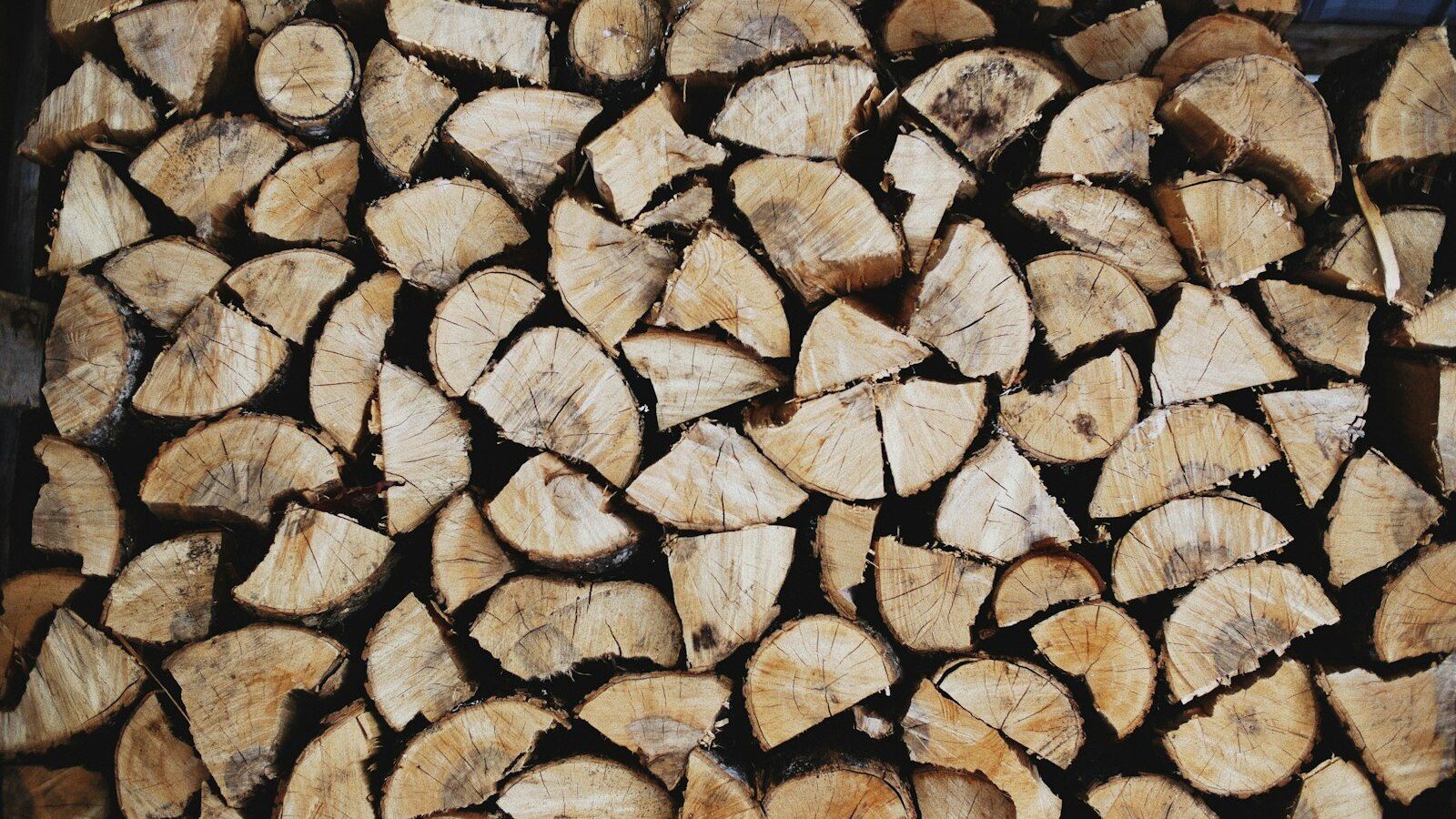
A good firewood rack does more than tidy a woodpile. By lifting logs off the ground and spacing them for airflow, it keeps the bottom row from rotting, speeds seasoning so the wood actually burns clean, and stops moisture and insects from wicking up into your stack. The wrong rack — flimsy steel that bows under a full cord, or a holder too small for a real winter’s supply — turns into a leaning, frustrating mess by January. Racks range from compact indoor hearth holders to rugged 8-foot outdoor frames that store a quarter cord or more. We compared the field and chose seven of the best firewood racks for 2026 across sizes, materials, and budgets.
As an Amazon Associate we earn from qualifying purchases. This page contains affiliate links at no extra cost to you.
Key Takeaways
- Lift wood off the ground and leave airflow gaps. This is the whole point of a rack — it prevents rot, speeds seasoning, and keeps insects out of the bottom logs.
- Size to your supply: a 4-foot rack holds roughly an eighth of a cord; an 8-foot rack about a quarter cord. Buy for how much wood you burn in a season.
- Heavier-gauge tubular steel resists bowing under a full load far better than thin angle iron.
- An outdoor rack needs a fitted cover (or an adjustable bracket kit using your own lumber) to shed rain while leaving the sides open to breathe.
- Indoor hearth racks prioritize a tidy look and easy reach; outdoor racks prioritize capacity and weather resistance.
| Model | Best For | Length / Capacity |
|---|---|---|
| Woodhaven 8-Foot | Best overall outdoor | 8 ft / ~½ face cord |
| Mofeez Adjustable Bracket Kit | Custom length | Your lumber / any length |
| Pilgrim Forged Log Holder | Indoor hearth | ~2 ft / small load |
| Amagabeli 5-Foot | Best value outdoor | 5 ft / ~⅛ cord |
| Landmann 8-Foot | Large capacity budget | 8 ft / ~¼ cord |
| ShelterLogic 4-Foot w/ Cover | Best with cover | 4 ft / ~⅛ cord |
| Panacea Bin-Style | Compact corner | Small / indoor-outdoor |
1. Woodhaven 8-Foot Firewood Rack — Best Overall
The Woodhaven 8-Foot rack is the one serious wood burners keep recommending. Built from heavy 14-gauge tubular steel with a powder-coat finish, it stands up to a full stack without bowing, and its tall uprights hold a deep, stable wall of wood. The optional fitted cover snaps over just the top and back, sloping to shed rain and snow while leaving the front and sides open so the stack keeps seasoning. Assembly is quick and the frame feels genuinely permanent.
It costs more than thin-steel racks, and you will want the matched cover, which adds to the outlay. But it is the rack you buy once instead of replacing a bent budget frame every couple of winters.
Pros
- Heavy 14-gauge steel resists bowing
- Holds a deep, stable stack
- Excellent fitted cover that still breathes
- Buy-it-once durability
Cons
- Premium price
- Cover sold separately
- Heavy to relocate once loaded
2. Mofeez Adjustable Bracket Kit — Best for Custom Length
The Mofeez (and similar) adjustable bracket kit is not a full rack — it is a pair of steel end brackets that you complete with your own standard 2×4 lumber. You decide the length: cut your 2x4s to 4 feet for a small load or 8 feet for a big one, slot them into the brackets, and you have a rack sized exactly to your space. It ships flat, costs little, and the only steel to ship is the two end pieces.
You do have to buy and cut lumber, and a long unsupported span can sag under heavy wood, so very long builds benefit from a center support. For flexibility and value, it is hard to beat.
Pros
- Build it to any length you want
- Inexpensive — just two brackets
- Ships flat, stores flat
- Easy to lengthen later
Cons
- Lumber not included
- Long spans can sag without support
- Less polished look
3. Pilgrim Forged Log Holder — Best Indoor Hearth Rack
For the wood you actually keep by the fireplace, the Pilgrim hand-forged log holder is a step above a plain wire basket. Solid wrought-iron construction, a graceful forged finish, and a compact footprint make it a piece of hearth furniture rather than mere storage. It holds enough split logs for an evening or two and looks the part in a living room.
Capacity is small by design and the price reflects the forged quality, so this is a complement to a big outdoor rack, not a replacement. As an indoor piece, it is elegant and sturdy.
Pros
- Solid forged wrought iron
- Attractive hearth-side piece
- Compact footprint
- Sturdy and stable
Cons
- Holds only a small load
- Pricey for the capacity
- Indoor use only
4. Amagabeli 5-Foot Rack — Best Value Outdoor
The Amagabeli 5-foot rack is the budget outdoor pick that punches above its price. It uses a decent-gauge powder-coated steel, assembles with a handful of bolts, and holds roughly an eighth of a cord — plenty for a household that burns occasionally through the cooler months. The simple open frame keeps air moving through the stack for steady seasoning.
The steel is lighter than premium racks, so do not overload it past its rating or the rails can flex, and a cover is extra. For the money, it is a genuinely good everyday rack.
Pros
- Strong value for an outdoor rack
- Quick bolt-together assembly
- Open frame seasons wood well
- Powder-coat resists rust
Cons
- Lighter steel than premium racks
- Can flex if overloaded
- No cover included
5. Landmann 8-Foot Rack — Best Large-Capacity Budget
If you burn a lot but do not want to pay premium money, the Landmann 8-foot rack delivers serious capacity — around a quarter cord — at a mid-range price. The full 8-foot length gives you a long, low wall of wood that is easy to stack and pull from, and the powder-coated steel holds up outdoors through the seasons.
At full load the lighter uprights can lean if the ground is uneven, so set it on a level, firm base, and add a cover for winter. For maximum wood per dollar, it is the standout.
Pros
- Large ~¼ cord capacity
- Mid-range price for the size
- Easy to load and unload
- Powder-coated for weather
Cons
- Needs level ground when full
- Uprights lighter than premium racks
- Cover sold separately
6. ShelterLogic 4-Foot Rack with Cover — Best with Built-In Cover
The ShelterLogic 4-foot rack bundles a fitted polyester cover with the frame, so you are weather-ready out of the box. The cover drapes over the top and rolls up at the front for access, sloping to shed rain while the open sides keep air moving. At 4 feet it holds about an eighth of a cord — a tidy amount for a patio or deck-side supply.
The included fabric cover is convenient but will not last as long as a premium fitted vinyl cover, and capacity is modest. For a compact, ready-to-go covered rack, it is a smart all-in-one.
Pros
- Cover included — weather-ready
- Roll-up front for easy access
- Compact patio-friendly size
- Open sides still season the wood
Cons
- Fabric cover wears over time
- Modest ⅛ cord capacity
- Lighter-duty frame
7. Panacea Bin-Style Rack — Best Compact Corner Holder
The Panacea bin-style firewood holder is a tall, narrow scrolled-steel bin that tucks into a corner indoors or on a covered porch. Its small footprint and decorative finish make it ideal where a long rack will not fit — beside a stove, on a patio, or in an entryway — and it loads from the top for easy refilling.
Its capacity is limited to a day or two of logs and the lighter scrolled steel is decorative rather than heavy-duty, so it is a convenience holder rather than a seasoning rack. For tight spaces and good looks, it does its job well.
Pros
- Compact corner footprint
- Attractive scrolled-steel design
- Top-load for easy refilling
- Works indoors or under cover
Cons
- Holds only a small load
- Decorative, not heavy-duty
- Not for seasoning bulk wood
How to Choose a Firewood Rack: Buyer’s Guide
Buy for your burn rate. Estimate how much wood you go through in a season and size accordingly. A 4-foot rack holds roughly an eighth of a cord, an 8-foot rack about a quarter cord, and you may want two long racks if you heat primarily with wood. It is better to have a little extra capacity than to leave logs piled on bare ground rotting.
Mind the steel and the span. A full stack of green wood is heavy. Heavier-gauge tubular steel resists the bowing and leaning that plagues thin budget frames, and long racks benefit from a level base and, on bracket-kit builds, a center support. Always set a rack on firm, level ground or pavers so it does not sink and tip.
Cover the top, not the sides. Seasoning wood needs airflow, so never wrap a stack in a tarp like a burrito — that traps moisture and breeds mold. Use a fitted cover that shields the top and back from rain and snow while leaving the front and sides open to breathe. A well-placed rack is a small but real piece of outdoor design; if you are organizing a patio or fire-pit area, our ideas for backyard landscaping on a budget and small backyard layouts can help you site it so it is handy without dominating the space.
Frequently Asked Questions
How big a firewood rack do I need?
Size it to your seasonal use. A 4-foot rack holds about an eighth of a cord and a full 8-foot rack roughly a quarter cord. If wood is your main heat source, plan for multiple long racks so you can keep one seasoning while you burn another.
Should I cover my firewood rack?
Yes, but cover only the top and back to shed rain and snow. Leave the sides and front open so air can circulate and season the wood. Wrapping the whole stack in a tarp traps moisture and causes mold and slow drying.
Why lift firewood off the ground?
Ground contact wicks moisture into the bottom logs, causing rot, and invites insects and fungus. A rack lifts the wood and creates airflow underneath, keeping the whole stack drier and seasoning it faster for a cleaner burn.
Is a steel or wood rack better?
Heavy-gauge tubular steel racks are the most durable and resist rot entirely. Bracket kits that use your own 2×4 lumber are cheaper and customizable but the wood frame eventually weathers. For longevity, choose thick powder-coated steel.
How long does firewood take to season on a rack?
Most hardwoods need six months to a year of seasoning on a well-ventilated rack to drop below the 20% moisture that burns cleanly. Splitting the logs, stacking loosely for airflow, and covering only the top all speed the process.