

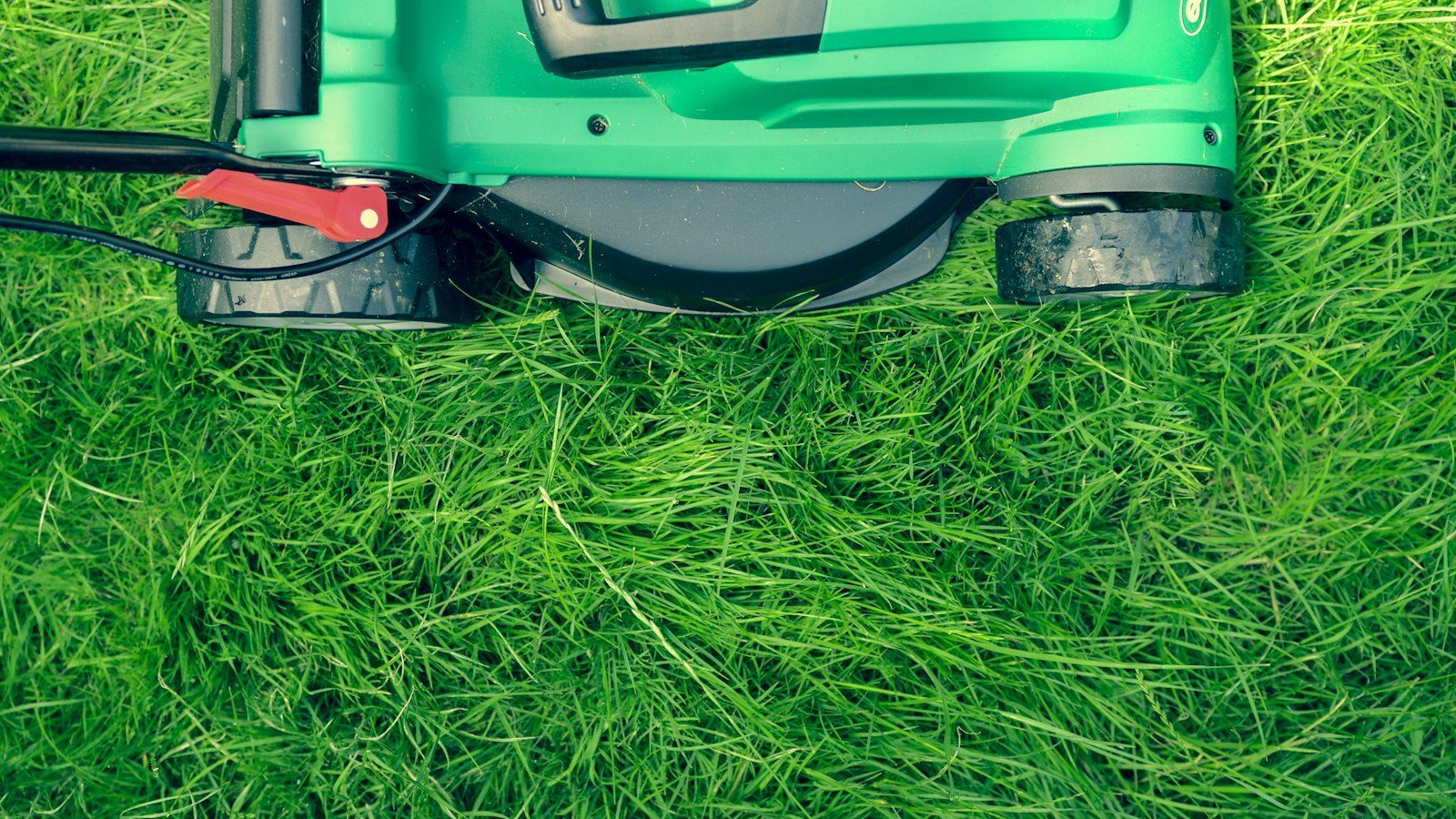
Cordless lawn mowers have caught up to gas for most suburban yards: a modern 40V or 80V battery mower starts instantly, runs quiet, needs no oil or gas, and finishes a quarter-acre on a single charge. The right pick comes down to deck width, battery voltage and capacity, and whether you need self-propel for hills. We compared runtime, cut quality, and build across the leading platforms to land on seven cordless mowers that cover everything from a small flat lawn to a hilly half-acre.
As an Amazon Associate we earn from qualifying purchases. This page contains affiliate links at no extra cost to you.
Key Takeaways
- Match deck width to yard size: 16–20 in for small lots, 21–22 in for quarter-acre and up.
- Higher voltage (40V–80V) and bigger amp-hour batteries mean more power and runtime, not just spec-sheet bragging.
- Self-propel is worth it on slopes or lawns over about 1/4 acre; push mowers suit small, flat yards.
- Buy into a battery platform you already own (or plan to expand) so packs are interchangeable.
- Brushless motors and 3-in-1 decks (mulch, bag, side-discharge) are now standard on quality mowers.
Comparison: Best Cordless Lawn Mowers at a Glance
| Product | Best For | Key Spec |
|---|---|---|
| EGO Power+ LM2156SP Select Cut | Overall best, up to 1/2 acre | 56V, 21 in, self-propelled |
| Greenworks Pro 80V 21 in | High-power value | 80V, 21 in, dual-battery |
| Ryobi 40V HP Brushless 21 in | Big-yard runtime | 40V, 21 in, dual 6Ah |
| Makita 18V X2 (36V) LXT | Makita tool owners | 2×18V, 21 in, twin motors |
| EGO Power+ LM2102SP 21 in | Mid-size yards | 56V, 21 in, self-propelled |
| Greenworks 40V 16 in | Small flat lawns | 40V, 16 in, push |
| DeWalt 20V MAX 2x20V 21.5 in | DeWalt platform users | 2×20V, 21.5 in, brushless |
| Toro Recycler 60V SmartStow 22 in | Bagging & tight storage | 60V, 22 in, vertical storage |
1. EGO Power+ LM2156SP Select Cut
The EGO Select Cut is the cordless mower most people should buy. Its 56V platform delivers gas-like torque, the variable-speed self-propel handles slopes without a fight, and the dual-blade Select Cut system produces a notably clean, even finish. A 21-inch deck and 3-in-1 mulch/bag/discharge cover quarter- to half-acre lawns on a single high-capacity battery.
EGO’s arc-lithium batteries are interchangeable across a huge tool lineup, and the rapid charger refills a pack quickly. It folds upright for compact storage. The main drawback is price — it sits at the top of the consumer range.
Living with it confirms the spec sheet. The Select Cut system stacks two stagger-mounted blades, and you can rearrange them — high-lift for bagging clippings cleanly, mulching for a finer return to the lawn — which is unusual flexibility at any price. The variable-speed bar lets you walk fast on the open stretch and slow into a tight border without changing settings, and the LED headlights are genuinely useful for an after-work mow in shorter days. Weight is the honest trade-off: with the big 7.5Ah or 10Ah pack fitted it is a substantial machine, so on a small flat lawn it is more mower than you need. The included battery doubles as the power source for EGO’s blower, trimmer and snow shovel, which is where the platform really pays off.
Pros
- Gas-like power and excellent cut quality
- Smooth variable-speed self-propel
- Large, cross-compatible 56V batteries
Cons
- Premium price
- Heavier than basic push models
2. Greenworks Pro 80V 21-Inch
Greenworks’ 80V platform is the highest consumer voltage here, and it shows in raw cutting power through thick or damp grass. The 21-inch brushless mower runs on dual batteries (using one at a time for extended runtime), self-propels, and offers 3-in-1 cutting. It typically undercuts EGO on price while delivering comparable performance, making it the value pick for power-hungry yards.
The 80V ecosystem is smaller than EGO’s or Ryobi’s, so factor in what other yard tools you might want on the same battery before committing.
Pros
- Highest voltage, strong cutting power
- Dual-battery extended runtime
- Strong value versus EGO
Cons
- Smaller 80V tool ecosystem
- Batteries are heavy and pricey to replace
3. Ryobi 40V HP Brushless 21-Inch
Ryobi’s 40V HP brushless self-propelled mower hits a sweet spot of price, runtime, and ecosystem. Running two 6Ah batteries, it can clear up to roughly half an acre on a charge, and the brushless motor maintains blade speed under load for a clean cut. The vast Ryobi 40V (and ONE+ 18V) lineup means one battery family powers your whole yard.
Cut quality and build are a small step below EGO, but for the money and the battery support, it is one of the best big-yard values available.
What makes Ryobi the smart-money pick is the breadth of the 40V lineup behind it: string trimmers, blowers, hedge trimmers, chainsaws, even a 40V inflator and a pressure washer all share the pack. Buy the mower with two 6Ah batteries and you effectively have a starter set for the whole yard. The mower itself runs one battery at a time and switches automatically when the first drains, so the practical runtime is the sum of both packs — enough for most quarter- to half-acre lawns in one go. The deck is steel, height adjusts with a single lever across seven positions, and it folds flat for storage. The plastic-feeling controls and a slightly louder deck are the giveaways that you saved money versus the EGO.
Pros
- Long runtime on dual 6Ah packs
- Huge Ryobi battery ecosystem
- Strong value for the power
Cons
- Cut quality slightly behind EGO
- Deck feels less premium
Free, no-obligation quote · Connect with a local pro
4. Makita 18V X2 (36V) LXT 21-Inch
Makita’s X2 system pairs two 18V LXT batteries to make 36V, with twin brushless motors driving the blade. The appeal is obvious if you already own Makita LXT tools — your existing 18V packs run the mower. Cut quality is excellent, build is typically Makita-tough, and the dual-motor design keeps blade speed steady in dense grass.
Runtime per pair of batteries is the trade-off, so heavy users keep spare packs and the dual charger handy. It is a superb choice for a small-to-mid yard within the Makita ecosystem.
Pros
- Uses common Makita 18V LXT batteries
- Twin brushless motors, clean cut
- Durable, well-built deck
Cons
- Shorter runtime per battery pair
- Best value only for Makita owners
5. EGO Power+ LM2102SP 21-Inch
The LM2102SP delivers EGO’s proven 56V power and self-propel in a slightly simpler, more affordable package than the Select Cut flagship. It keeps the 21-inch deck, 3-in-1 cutting, and folding storage, but uses a single-blade system and a standard battery. For a mid-size quarter-acre lawn, it is plenty of mower at a friendlier price.
You give up the dual-blade Select Cut finish and some runtime, but you stay in EGO’s excellent, widely compatible 56V battery family.
Pros
- EGO power at a lower price
- Self-propelled with 3-in-1 deck
- Same versatile 56V batteries
Cons
- Single-blade cut, less refined finish
- Less runtime than flagship
6. Greenworks 40V 16-Inch
For a small, flat lawn, you do not need a big self-propelled machine. The Greenworks 40V 16-inch push mower is light, compact, and inexpensive, with a 2-in-1 mulch/bag deck and tool-free height adjustment. It starts at the push of a button and stores easily in a tight garage or shed.
The narrow deck and push design mean more passes and more effort on bigger or hilly lots, so keep this one to compact yards under about an eighth of an acre.
Pros
- Light, compact, and easy to store
- Affordable entry into cordless
- Simple button start, tool-free height
Cons
- Narrow 16-inch deck, more passes
- Push-only, tiring on hills
7. DeWalt 20V MAX 2x20V 21.5-Inch
DeWalt’s 2x20V (40V combined) brushless mower is the natural pick for anyone invested in DeWalt’s enormous 20V MAX tool platform — your drill and saw batteries run the lawn too. The 21.5-inch deck self-propels, the brushless motor is strong, and build quality is jobsite-grade. It is a smart way to add a mower without buying into a new battery family.
As with other dual-pack systems, runtime depends on battery capacity, so larger 20V MAX packs and a spare set keep you mowing without interruption.
Pros
- Runs on common DeWalt 20V MAX batteries
- Self-propelled, brushless power
- Rugged build quality
Cons
- Runtime needs larger/spare packs
- Best value only for DeWalt owners
8. Toro Recycler 60V SmartStow 22-Inch
Toro brings two things to the cordless category that gas owners will recognize: a genuinely excellent bagging deck and the SmartStow design that lets the mower fold and stand vertically against a garage wall, cutting its storage footprint by more than half. The 60V Max battery and brushless motor drive a 22-inch Recycler deck with Toro’s well-regarded mulching airflow, and a Personal Pace self-propel system speeds up or slows down to match how hard you push the handle.
For homeowners who bag clippings — for compost, or because they let the lawn grow long between mows — the Toro fills the bag more completely and clogs less than most rivals. The 60V platform is smaller than EGO’s or Ryobi’s, and vertical storage means you must keep the oil-free engine bay clean, but for a quarter- to half-acre lawn in a tight garage it is a standout. Battery runtime on the standard pack is good rather than class-leading, so heavy users should plan on a spare.
Pros
- Vertical SmartStow storage saves space
- Excellent bagging and mulching
- Intuitive Personal Pace self-propel
Cons
- Smaller 60V tool ecosystem
- Standard-pack runtime is only average
Free, no-obligation quote · Connect with a local pro
Buyer’s Guide: What to Look For in a Cordless Mower
Deck width vs. yard size
A 16–18 inch deck suits small flat lawns under an eighth of an acre; 20–21 inches is the sweet spot for quarter-acre yards; 21–22 inches with self-propel handles up to a half acre. A wider deck means fewer passes but a heavier, pricier machine — buy for your actual lawn, not the biggest number.
Voltage and battery capacity
Voltage (40V, 56V, 80V) roughly tracks cutting power, while amp-hours (Ah) determine runtime. Thick or damp grass and slopes demand higher voltage; long mows demand more amp-hours or a dual-battery design. A spare charged pack effectively doubles your session.
Self-propel and brushless motors
Self-propel is worth the premium on slopes or lawns over a quarter acre; push mowers are fine for small, flat yards. A brushless motor runs more efficiently, lasts longer, and holds blade speed under load, and it is now standard on any quality cordless mower. Among self-propel systems, a variable-speed bar or Toro’s pressure-sensitive Personal Pace feels more natural than a fixed one or two-speed selector, especially around obstacles. Rear-wheel drive grips better on slopes than front-wheel drive.
Cut discharge: mulch, bag, or side discharge
A 3-in-1 deck lets you mulch clippings back into the lawn (best for routine mowing and lawn health), bag them (for compost or when grass is overgrown), or side-discharge (fastest for tall, rough grass). Mulching is the default for most lawns because it returns nitrogen to the soil, but it works only when you mow often enough to remove no more than a third of the blade height. If you tend to let the lawn get long, prioritize a mower with a genuinely good bagging deck like the Toro.
Storage, weight, and maintenance
Cordless mowers are heavier than equivalent gas models because of the battery, so check the folded dimensions and whether it stands vertically if your garage is tight. Maintenance is minimal — no oil, spark plugs, or fuel stabilizer — but you should still sharpen or replace the blade once a season for a clean cut that resists disease, hose off the deck after mowing to prevent clippings from caking, and store batteries indoors at a partial charge over winter rather than in a freezing shed, which shortens lithium pack life.
Battery platform
The smartest cordless buyers stay within one battery family. If you already own EGO, Ryobi, Makita, or DeWalt tools, a same-platform mower lets you share packs and chargers. Otherwise, pick a platform with the trimmers, blowers, and other tools you will want next. A healthy lawn also comes down to mowing habits and watering — see our guide on how to water a lawn and our roundup of the best robotic lawn mowers if you would rather not push at all. More gear lives in the Tools & Gear hub.
Frequently Asked Questions
How big a yard can a cordless mower handle?
A 21-inch self-propelled mower with a high-capacity battery comfortably covers up to about half an acre per charge. For larger lots, keep a spare charged battery or step up to a riding or robotic mower.
Is higher voltage always better?
Higher voltage means more cutting power, which helps in thick or damp grass and on slopes. But runtime depends on amp-hours, not volts, so a balanced spec — adequate voltage plus a large battery — matters more than chasing the highest number.
Do I need a self-propelled cordless mower?
For small flat lawns, a push model is lighter and cheaper. Self-propel is worth the extra cost on slopes or lawns larger than about a quarter acre, where pushing a heavy battery mower becomes tiring.
Should I match the mower to tools I already own?
Yes, when possible. Staying in one battery platform — EGO, Ryobi, Makita, or DeWalt — lets you share packs and chargers across your mower, trimmer, and blower, saving money and clutter.
How long do cordless mower batteries last?
A single charge typically mows a quarter to half acre depending on grass and deck size, and quality lithium packs last several years before capacity fades. Keeping a spare battery on the charger eliminates downtime.
Can a cordless mower handle tall or wet grass?
Higher-voltage brushless mowers cut tall grass well if you take it in two passes — raise the deck first, then lower it. Mowing wet grass is harder on any mower: it clumps, clogs the deck, and bogs the motor, draining the battery faster. Wait for the lawn to dry when you can, and side-discharge rather than bag if you must mow it damp.
How should I store the battery over winter?
Store lithium packs indoors at roughly a half charge, not fully drained or fully topped up, and keep them out of freezing temperatures, which permanently reduces capacity. Check the charge every couple of months and top up if it drops low. Bring the mower itself in or cover it, and clean clippings off the deck before storing.
Rather hire a lawn pro?
Don’t want to do it yourself? Compare free, no-obligation quotes from vetted local lawn care pros near you.