

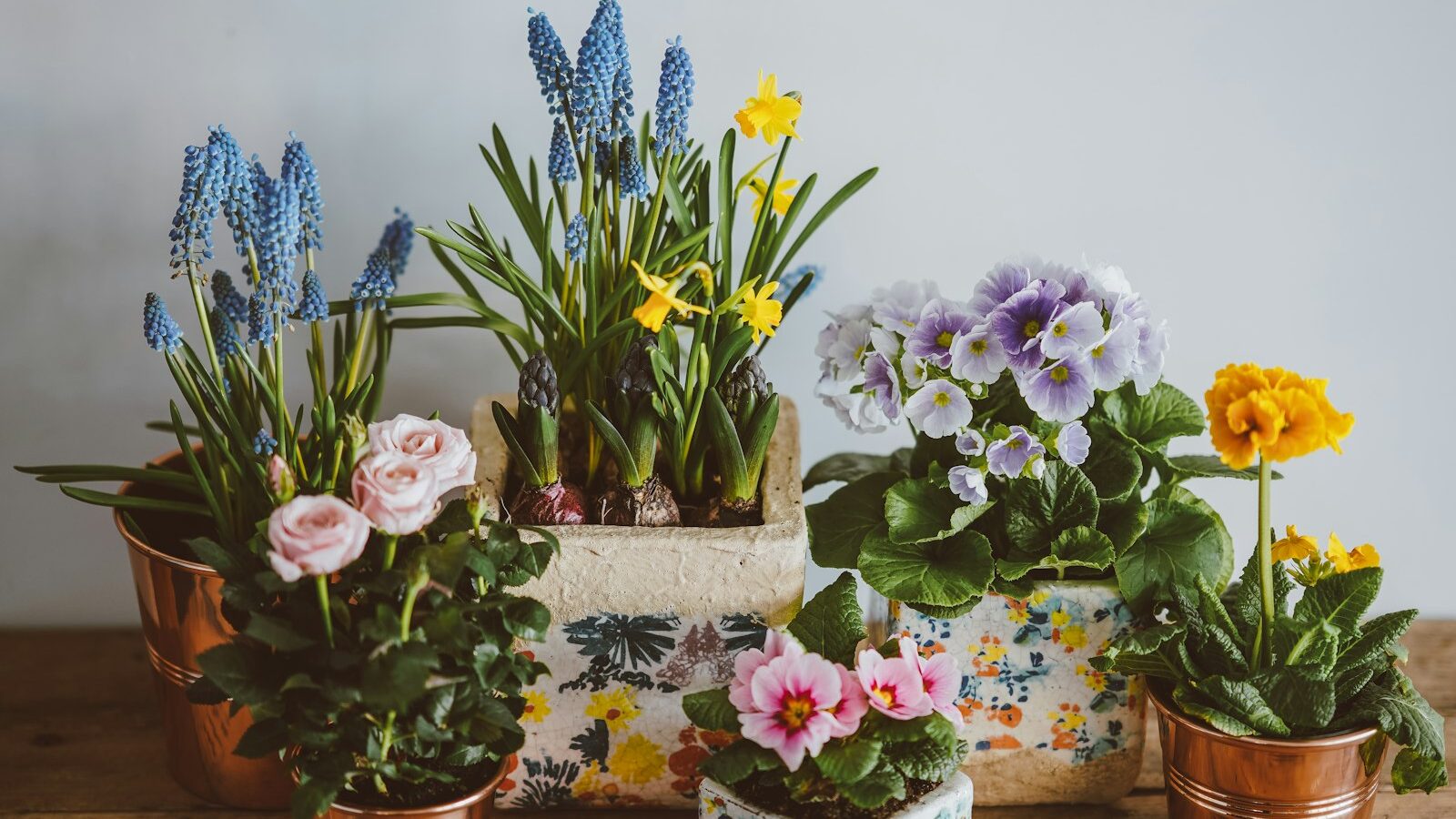
If you are standing in a nursery aisle in March looking at a bundle of leafless, soil-free roots for $18 next to the same plant potted up for $45, the choice is not as obvious as the price tag suggests. Bare root and potted (also called containerized) plants are the same species and often the same cultivars, but they are sold in completely different states, planted at different times of year, and establish through different mechanisms. Bare root stock is dug while dormant, shaken free of soil, and shipped or sold with naked roots. Potted plants are grown in a container of media and sold actively rooted into that media. The right pick depends on the season you are planting, the plant type, your budget, and how much short-term failure you can tolerate. Below is a direct comparison, then a breakdown of each option, and finally a verdict organized by the situation you are actually in.
Key Takeaways
- Bare root is cheaper (often 40 to 70 percent less) and gives a stronger long-term root system, but only sells in late winter and early spring while plants are dormant.
- Potted plants cost more but can be planted almost any frost-free day of the year and look established immediately.
- Bare root plants must go in the ground within days and need their roots kept moist; a missed planting window kills them.
- Potted plants can suffer from circling, root-bound systems that strangle growth if you do not loosen them at planting.
- For dormant-season planting of trees, roses, and fruit, bare root usually wins on value and establishment. For summer planting or instant impact, potted wins.
Quick Comparison: Bare Root vs Potted at a Glance
| Factor | Bare Root | Potted / Containerized |
|---|---|---|
| Typical cost | Lowest (40 to 70 percent less) | Higher; pays for media, pot, and time |
| Planting window | Dormant season only (late winter to early spring) | Any frost-free day, spring through fall |
| Root structure | Natural, spreading; grows into native soil fast | Can be circling or root-bound in the pot |
| Establishment speed | Slow to start, strong long-term anchoring | Fast visual recovery; may girdle later |
| Shelf life after purchase | Days; roots must stay moist | Weeks to months if watered |
| Selection / cultivars | Widest for roses, fruit, perennials by mail | Whatever the garden center stocks now |
| Transplant shock | Low if dormant and planted promptly | Moderate; full root mass disturbed less |
| Best for | Trees, roses, fruit, hedging in bulk | Summer planting, instant impact, beginners |
Bare Root Plants: How They Work and When They Win
Bare root plants are field-grown for one to several seasons, then lifted from the ground while fully dormant, usually between November and March depending on your region. The soil is washed or shaken off, and the plant is stored cold and humid until it ships. Because there is no pot, no media, and no water weight, bare root stock is light and cheap to ship, which is why mail-order rose and fruit-tree specialists almost exclusively sell this way. A bare root apple whip might cost $20 to $30; the same tree potted at a nursery in May can run $60 or more.
The real advantage is below ground. A bare root plant develops its root system directly in your native soil from day one. There is no transition from soilless potting mix to clay or loam, and no risk of roots that learned to circle inside a pot. Studies of landscape establishment repeatedly show that bare root and field-dug stock, planted correctly in the dormant season, often catch up to or pass containerized stock within two to three growing seasons because the root architecture is natural and outward-spreading.
The trade-offs you have to manage
The catch is timing and care. Bare root plants are alive but dormant, and exposed roots dry out fast. From the moment you receive them you have a window of days, not weeks. Soak the roots in a bucket of water for two to twelve hours before planting, never let them sit in the sun, and if you cannot plant immediately, “heel them in” by burying the roots in a temporary trench of moist soil or compost. Plant at the correct depth, spread the roots over a cone of soil in the hole, and water deeply. Skip any of this and your bargain plant becomes a dead stick.
Bare root also demands patience. The plant will leaf out later and look sparse its first year while it rebuilds feeder roots. If you need a finished look this weekend, this is not your option. Bare root shines for roses, deciduous fruit trees, cane fruit, asparagus crowns, strawberries, hedging whips bought by the dozen, and dormant perennials. It is poor for evergreens and anything that does not go fully dormant. If you are also rethinking the bed itself, our guide on how to prepare a new flower bed pairs well with a bare root order placed for late winter.
Potted Plants: How They Work and When They Win
Potted or containerized plants are grown in a pot of soilless media (usually bark, peat or coir, and perlite) and sold with that intact root ball. You can buy them in full leaf, in flower, and at almost any time the ground is workable. That flexibility is the headline benefit. Missed the bare root window in February? A potted version in June will still establish if you water it through its first summer. Want to see the exact flower color or fruit before committing? Potted stock lets you shop with your eyes.
Because the root ball stays intact at planting, the plant experiences less immediate disturbance and recovers its appearance quickly. For beginners, evergreens, summer container displays, and anything you want looking good now, potted is the safer, more forgiving choice. It is also the only practical option for tender plants and most evergreens that never go dormant enough to lift bare.
The hidden risk: circling roots
The biggest problem with potted stock is what you cannot see until you pull the plant from the pot. Roots that hit the smooth pot wall turn and circle. Left alone at planting, these circling roots keep spiraling in the shape of the pot, never venturing into the surrounding soil, and years later can girdle the trunk and slowly choke the plant. Always slide the plant out and inspect. If roots circle the outside of the ball, score the sides with a knife in three or four vertical cuts, tease the bottom roots loose, and splay them outward in the hole. A pot-bound, hard-as-a-brick root ball that you plant untouched is a slow failure waiting to happen.
Potted plants also cost more, partly because you are paying for the media, the pot, the irrigation, and the bench space the nursery invested. And a large container plant planted in midsummer needs diligent watering, because that small media root ball dries far faster than surrounding soil. If you are filling a structured space, planning the layout first the way you would when learning landscaping and outdoor living basics helps you decide how many you actually need before paying the container premium.
Cost, Establishment, and Survival Compared
On pure cost, bare root wins decisively, especially in quantity. Hedging, an orchard, a rose border, or a windbreak bought bare root can cost a third of the potted equivalent, which matters when you need twenty or a hundred plants. On establishment speed measured by appearance, potted wins the first season because it already has leaves and a full root mass. On long-term root quality and anchoring, bare root tends to win because the roots grow naturally outward without the circling defects that can plague container stock.
Survival depends almost entirely on matching the method to the season and on technique. A bare root plant planted dormant, kept moist, and set at the right depth has excellent odds. The same plant left in a garage for two weeks is dead. A potted plant has a wider margin for error on timing, but a root-bound one planted untouched in poor soil will struggle for years. Neither is universally “better.” The better question is which fits your calendar and your tolerance for fussing.
The Verdict: Which to Choose by Scenario
Planting in late winter or early spring, on a budget, in quantity: Choose bare root. Roses, fruit trees, cane fruit, asparagus, hedging, and bare-root perennials give you the best value and the strongest long-term roots, provided you plant within days of arrival.
Planting in summer or fall, or you want instant impact: Choose potted. It tolerates a flexible planting date and looks finished immediately, which is worth the premium for a single specimen or a display bed.
Buying evergreens or tender plants: Choose potted by default. Most do not go dormant enough to lift and ship bare.
You are a beginner or cannot plant the day you buy: Choose potted. The forgiving shelf life and intact root ball lower the chance of a costly mistake. If you do go bare root, see how to plant bare root roses for the exact soaking and depth steps that make or break the plant.
You want the best plant possible long-term and can time it right: Bare root, planted dormant, is hard to beat on value and root structure. Inspect potted root balls every time and never plant a circling, pot-bound ball untouched.
Frequently Asked Questions
Do bare root plants survive as well as potted ones?
Yes, when planted dormant, kept moist, and set at the correct depth, bare root plants establish very reliably and often build stronger long-term roots than potted stock. Survival drops sharply only if the roots dry out or you miss the dormant planting window.
When can I plant bare root vs potted?
Bare root must go in during the dormant season, roughly late winter to early spring before growth begins. Potted plants can be planted on almost any frost-free day, spring through fall, as long as you water through the first season.
Why are bare root plants so much cheaper?
There is no pot, no potting media, no water weight, and far less labor and bench time. They ship light and compact, so growers and mail-order nurseries pass the savings on, often 40 to 70 percent below potted prices.
How long can a bare root plant wait before planting?
Only a few days, and only if you keep the roots moist and cool. Soak the roots before planting, and if you must wait, heel them into a trench of moist soil. Never let exposed roots sit in sun or wind.
Should I loosen the roots of a potted plant before planting?
Yes. Slide the plant out and inspect. If roots circle the root ball, score the sides with three or four vertical cuts and tease the bottom roots outward so they grow into the surrounding soil instead of girdling the plant.