

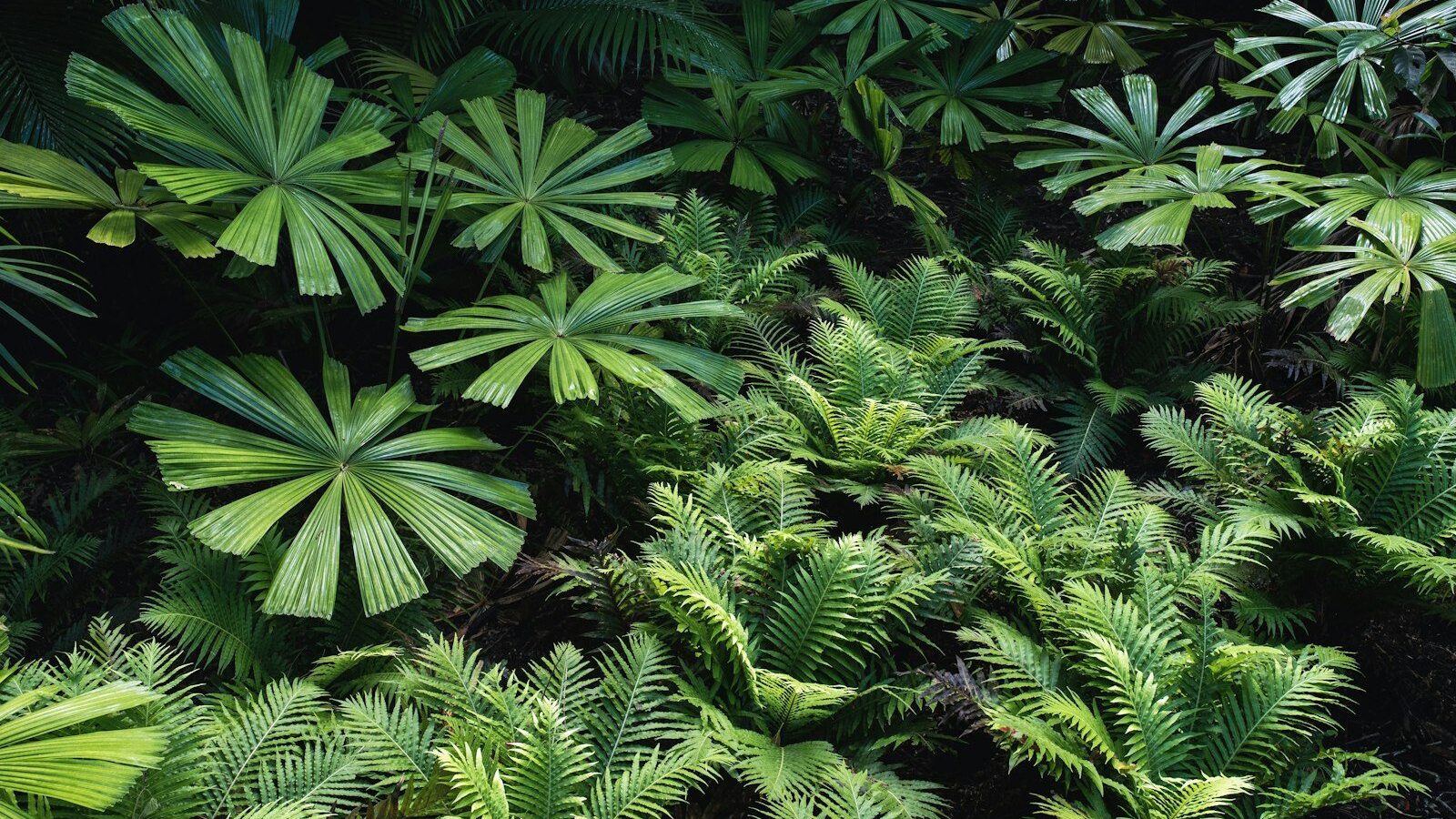
Zone 10 gardens rarely freeze, so the challenge is not cold but heat, and the calendar is flipped compared with most of the country. In South Florida, coastal Southern California, parts of southern Texas and Arizona’s warmest pockets, the main vegetable season runs roughly from October through April. Summer is for heat-proof crops, tropical fruit and flowering shrubs, while tomatoes, lettuce and broccoli belong to fall, winter and early spring. This guide covers what to plant and when in zone 10, split by vegetables, herbs, fruit and ornamentals, with notes on the differences between humid Florida and dry California.
In this guide
- Understanding Zone 10
- Zone 10 Vegetable Planting Calendar
- Best Vegetables for Zone 10
- Herbs for Zone 10
- Fruit Trees and Tropical Fruit
- Flowers and Ornamentals for Zone 10
- Zone 10 Growing Challenges
- Native and Low-Water Choices
- Containers and Small Spaces
- How Zone 10 Compares with Cooler Zones
- Getting Started
- Frequently Asked Questions
Key Takeaways
- Zone 10 has average annual minimum temperatures of 30 to 40°F (10a: 30 to 35°F; 10b: 35 to 40°F).
- Plant most vegetables, including tomatoes and leafy greens, from about September or October through February.
- Summer crops should be true heat lovers: okra, sweet potatoes, Southern peas, peppers, tropical greens.
- Zone 10 supports citrus, avocado, mango (in frost-free spots), banana, papaya and guava.
- Florida and California zone 10 differ in humidity, rainfall and soil, which changes plant choices.
Understanding Zone 10
USDA zones are based on average annual extreme minimum temperatures. Zone 10a averages lows of 30 to 35°F and 10b averages 35 to 40°F. Light frost can still happen occasionally in 10a, especially in low spots and inland valleys, but hard freezes are rare. Check your exact zone on our USDA hardiness zone map.
Zones say nothing about heat, humidity or rainfall, which matter even more here. South Florida is humid with a summer rainy season from roughly June through September and sandy, alkaline soils over limestone. Coastal Southern California is dry, with winter rain and summer drought, and soils range from sandy to heavy clay. Interior desert areas classed as zone 10 can see summer highs well above 100°F. Use the plant lists below as a starting point and adjust for your local climate.
Zone 10 Vegetable Planting Calendar
| Season | Approx. months | What to plant |
|---|---|---|
| Fall (main season start) | September to November | Tomatoes, peppers, eggplant, beans, cucumbers, squash, lettuce, kale, collards, broccoli, cabbage, carrots, beets, radishes, onions |
| Winter | December to February | Lettuce, spinach, peas, broccoli, cauliflower, cabbage, carrots, beets, radishes, potatoes, herbs like cilantro, dill and parsley |
| Spring | February to April | Second round of tomatoes, peppers, beans, corn, squash, cucumbers, melons |
| Summer | May to August | Okra, sweet potatoes, Southern peas (cowpeas), yard-long beans, hot peppers, malabar spinach, amaranth, roselle, sweet potato greens |
In South Florida, many gardeners treat summer as a rest season, solarizing beds under clear plastic or growing a cover crop like Southern peas or sunn hemp. In Southern California, mild coastal summers allow more tomatoes and squash through summer, while inland valleys get too hot for many crops by July.
Best Vegetables for Zone 10
Cool-season window (fall through early spring)
- Tomatoes: plant from late August to October and again in January or February. Heat-set and disease-resistant varieties do best in Florida.
- Lettuce and greens: loose-leaf lettuce, arugula, mustard, Swiss chard, kale and collards grow well from October to March.
- Brassicas: broccoli, cabbage, cauliflower and bok choy prefer the coolest months, November to February.
- Root crops: carrots, beets, radishes and turnips, sown October through February.
- Peas: sugar snap and snow peas in December and January.
- Onions and garlic: short-day onions sown in fall; garlic is often weak in zone 10 without pre-chilling cloves.
- Potatoes: plant in late fall or winter for a spring harvest.
Summer survivors
- Okra: thrives in heat and humidity; sow from spring through midsummer.
- Sweet potatoes: plant slips in spring; both tubers and leaves are edible.
- Southern peas (cowpeas, black-eyed peas): tough, productive and soil-improving.
- Yard-long beans: a heat-tolerant alternative to snap beans.
- Hot peppers: many keep producing through summer, especially with afternoon shade.
- Tropical greens: malabar spinach, Okinawa spinach, Brazilian spinach (sissoo), chaya and amaranth replace lettuce in summer.
- Calabaza and seminole pumpkin: heat-tolerant squash that resists vine borers better than summer squash.
Herbs for Zone 10
Cilantro, dill, parsley and chives grow best from October through March and bolt quickly in summer heat. Basil grows almost year-round, though it struggles in the wettest Florida summers. Rosemary, oregano and thyme do well in dry California gardens but need excellent drainage in humid Florida. For summer cilantro flavor, grow culantro, which loves heat and partial shade. Lemongrass, Cuban oregano, Thai basil, ginger and turmeric are reliable heat-season herbs.
Fruit Trees and Tropical Fruit
| Fruit | Zone 10 fit | Notes |
|---|---|---|
| Citrus (oranges, lemons, limes, grapefruit) | Excellent | In Florida, citrus greening disease is a serious problem; buy certified clean nursery stock and check local rules |
| Avocado | Excellent | Choose varieties suited to your region; needs good drainage |
| Mango | Good in 10b | Young trees are frost-sensitive; best in warm coastal or South Florida sites |
| Banana | Good | Needs water, wind protection and rich soil |
| Papaya | Good in 10b | Fast-growing, short-lived, frost-tender |
| Guava | Good | Tough and productive |
| Passion fruit | Good | Vigorous vine; needs strong support |
| Fig, pomegranate | Good, especially in California | Prefer drier climates |
| Dragon fruit | Good | Climbing cactus; needs a sturdy post |
| Apples, peaches, cherries | Limited | Need winter chill; choose low-chill varieties only |
Low-chill varieties of peaches, nectarines, apples and blueberries exist, but they need careful variety selection based on your local chill hours. Southern highbush and rabbiteye blueberries can work in some zone 10a gardens with acidic soil or containers.
Flowers and Ornamentals for Zone 10
Heat-loving shrubs and perennials
- Hibiscus: tropical types bloom much of the year.
- Bougainvillea: thrives in sun and heat, especially in dry climates.
- Plumbago, lantana, firebush (Hamelia): tough, long-blooming and attractive to pollinators.
- Ixora and allamanda: classic in South Florida with acidic soil.
- Bird of paradise, salvia and lion’s tail: reliable in Southern California.
- Plumeria: fragrant flowers; best in 10b.
- Ornamental grasses and succulents: agave, aloe, and muhly grass for low-water California gardens.
Cool-season annuals
Petunias, snapdragons, pansies, violas, sweet alyssum, calendula and dianthus are winter flowers in zone 10, planted October through December and pulled when summer heat arrives. In summer, swap in heat-tolerant annuals like vinca, zinnias, pentas, celosia and portulaca.
Trees and palms
Zone 10 supports a huge range of palms, from small pygmy date palms to large royal and queen palms (note that queen palms are considered invasive in parts of Florida). Flowering trees like jacaranda, royal poinciana, tabebuia and orchid tree add seasonal color. Choose native trees where possible for storm resilience and wildlife value.
Zone 10 Growing Challenges
- Heat and sun: use shade cloth over summer vegetables, water deeply in the early morning and mulch heavily.
- Nematodes: root-knot nematodes are common in sandy Florida soils. Rotate crops, add organic matter, solarize beds in summer and choose nematode-resistant varieties.
- Pests: insects do not get killed off by winter cold, so pests like whiteflies, aphids and caterpillars are year-round issues.
- Water: Florida gardens get heavy summer rain but dry winters and springs; California gardens need irrigation for most of the year. Drip irrigation and mulch help everywhere.
- Soil: Florida’s sandy, alkaline soil benefits from compost and raised beds. California clay benefits from compost and careful watering.
- Hurricanes and Santa Ana winds: stake young trees and choose wind-tolerant species.
Native and Low-Water Choices
Native plants handle local soils, rainfall and pests with far less help, and they support local pollinators and birds. In South Florida, coontie, firebush, beautyberry, wild coffee, coral honeysuckle, muhly grass, Simpson’s stopper and sea grape are dependable choices. In coastal Southern California, California lilac (ceanothus), toyon, manzanita, coffeeberry, California fuchsia, buckwheat and native sages tolerate summer drought once established. Many California natives prefer to be watered sparingly in summer, so group them away from thirsty vegetables and lawn.
Containers and Small Spaces
Containers solve several zone 10 problems at once: they let you control soil in alkaline or nematode-prone ground, and you can move pots into afternoon shade during the hottest months. Use large pots, at least 5 gallons for tomatoes and peppers and 15 gallons or more for dwarf citrus, and light-colored containers that do not absorb as much heat. Water needs climb sharply in summer, so drip lines on a timer or self-watering containers help. Dwarf citrus, Meyer lemon, key lime, herbs, peppers, cherry tomatoes and greens all do well in pots on a sunny patio or balcony.
How Zone 10 Compares with Cooler Zones
If you have moved from a colder climate, the biggest adjustment is the reversed calendar. In zones 5 through 7, spring is planting season and winter is downtime; in zone 10, fall is your spring. Many plants that are annuals up north, such as peppers, eggplant, coleus, lantana and impatiens, become short-lived perennials here. On the other hand, plants that need winter chill, such as tulips, lilacs, peonies and many apples, generally do poorly. For comparison, see our guides to zone 5 plants, zone 6 plants and zone 7 plants.
Getting Started
- Confirm whether you are in 10a or 10b, and whether your climate is humid or dry.
- Build or amend beds with compost in late summer.
- Start the main vegetable garden in September or October with tomatoes, peppers and greens.
- Plant brassicas and root crops in November through January.
- Shift to heat-tolerant crops or a cover crop by May.
- Plant fruit trees and tropical shrubs at the start of the rainy season in Florida or during the mild winter months in California, when the weather is cooler.
A soil test before the first fall planting is worth the small effort. Many Florida soils test alkaline with low organic matter, while California soils vary widely and can be high in salts where irrigation water is hard. Knowing your pH and nutrient levels tells you whether to add compost alone, sulfur for acid-loving plants, or gypsum for heavy, salty clay, and it keeps you from overfertilizing a garden that grows year-round.
For bed layouts, crop rotation and season-by-season vegetable guides, explore the vegetable gardening hub.
Frequently Asked Questions
When should I plant tomatoes in zone 10?
The best windows are late August through October for a fall and winter crop, and January through February for a spring crop. Most tomatoes stop setting fruit when nights stay above about 75°F, so summer tomatoes struggle in humid zone 10.
What vegetables can I grow in zone 10 in summer?
Okra, sweet potatoes, Southern peas, yard-long beans, hot peppers, calabaza, and tropical greens like malabar and Okinawa spinach handle zone 10 summer heat well.
What is the difference between zone 10a and 10b?
Zone 10a averages annual minimum temperatures of 30 to 35°F, so occasional light frost is possible. Zone 10b averages 35 to 40°F and frost is rare, allowing more tender tropicals like mango and papaya.
Can I grow lettuce in zone 10?
Yes, from about October through March. In summer, lettuce bolts and turns bitter, so switch to heat-tolerant greens instead.
Which fruit trees grow best in zone 10?
Citrus, avocado, banana, guava, passion fruit, fig and pomegranate are reliable. Mango and papaya do best in warmer 10b sites. Temperate fruits like apples and peaches need low-chill varieties.