

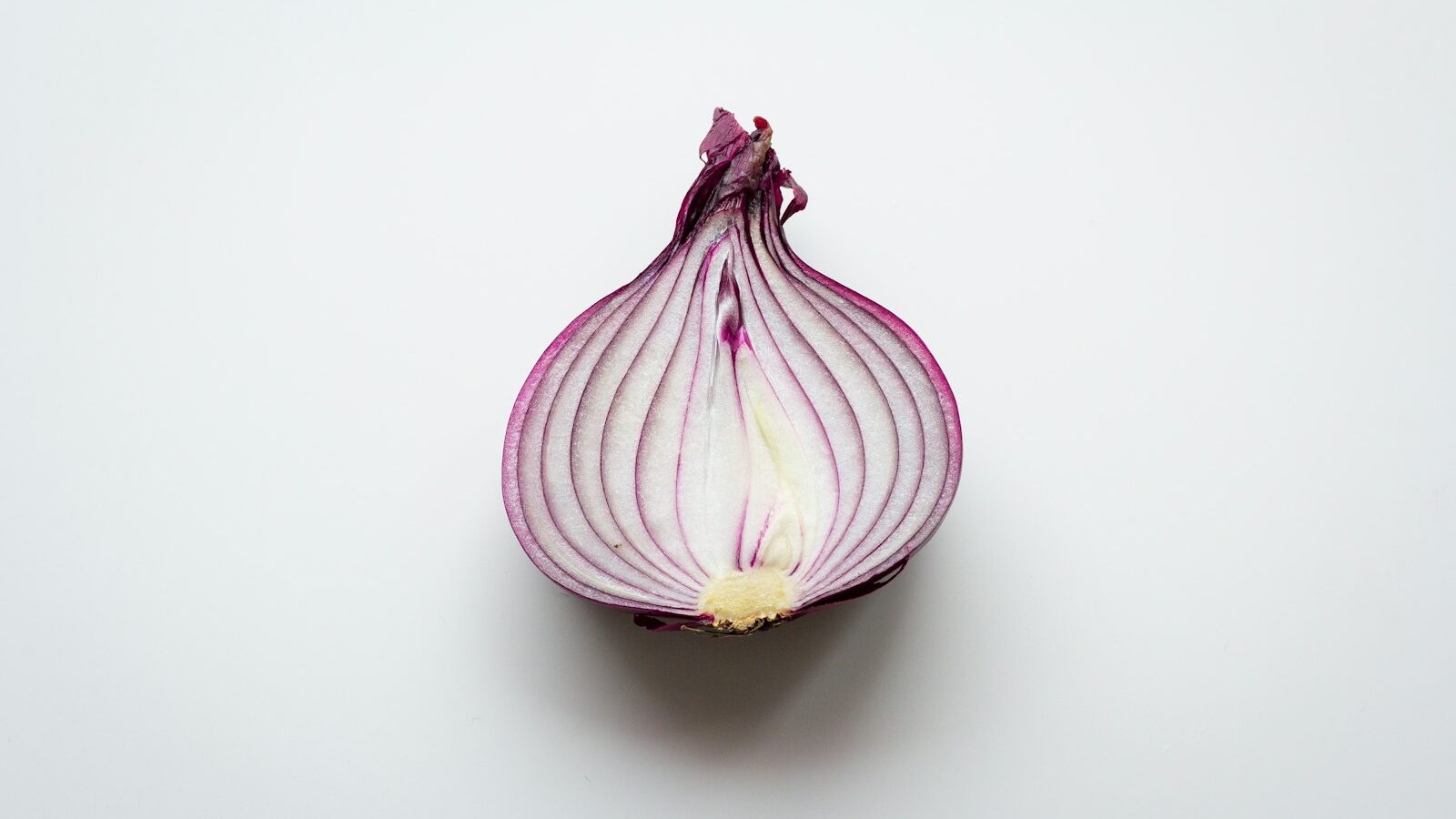
If you walked out to your vegetable patch one morning and found your once-upright onion plants suddenly bowing toward the soil, your first instinct was probably mild panic. Take a breath, because in most cases this is exactly what you want to see. Onion tops falling over is the plant’s most reliable signal that the bulbs underground have finished sizing up and are ready to begin curing for storage. It is the gardening equivalent of a “done” timer going off. That said, not every flop is a celebration. When the tops collapse too early, when only a few go down while the rest stand tall, or when the plants look sickly rather than simply tired, something else may be at work. This guide walks you through how to read the difference, what to do at harvest time, and how to rule out the handful of problems that cause premature collapse.
Key Takeaways
- Onion tops falling over is most often the natural harvest signal that bulbs have matured, not a problem to fix.
- When about half to most of your tops have flopped at the neck, the crop is ready to cure and store.
- Stop watering once the tops begin to fall, and let the rest go down on their own rather than bending them.
- Early flopping while plants are still small can signal onion maggots, thrips, neck rot, downy mildew, or waterlogged soil.
- A stiff, hollow flower stalk (bolting) is different from soft leaves flopping, and bolted onions should be used soon because they store poorly.
Diagnose: Welcome Maturity or an Early Problem?
Before you do anything, slow down and read the patch. The same symptom (tops bending and falling at the neck) means completely opposite things depending on a few simple checks. Ask yourself three questions. First, have the bulbs sized up? Gently scrape the soil away from one or two and look at the shoulders of the bulb. If they have swollen to a usable size and you can see the rounded top pushing out of the ground, maturity is the likely cause. If the bulbs are still small, marble-to-golf-ball sized, an early flop points to a problem.
Second, is it most of the tops or just a few? When roughly half or more of the rows go down within a week or two of each other, that broad, synchronized collapse is the classic maturity pattern. A scattered handful of plants flopping while their neighbors stand upright is a red flag for pests, disease, or localized damage. Third, do the plants otherwise look healthy? Mature onions naturally yellow and dry from the tips downward as they wind down. Plants that are wilting suddenly, showing rot at the neck, sporting fuzzy gray growth, or hosting visible insects are telling a different story. Hold those three answers in mind as you read the causes below.
Cause 1: Maturity, the Harvest Signal (Normal and Good)
Diagnose: This is the main answer and the happy one. As an onion finishes its growing cycle, the bulb stops sending energy upward into the leaves and the tissue at the neck (the narrow point where the green tops meet the bulb) loses its rigidity and softens. With nothing holding them up, the green tops naturally bend and fall over right at that weakened neck. You will typically see this happen across the bed over the course of a week or two, often when the bulbs have reached full size and the outer leaves have begun to yellow. If you dug a sample bulb and found it nicely swollen with papery outer skins forming, and somewhere between half and most of your tops are now lying down, congratulations: the crop is mature and curing is about to begin. There is nothing to fix here.
Fix: The action here is mostly to step back. Stop watering as soon as the tops start going over, because added moisture now only delays drying and invites rot in the necks. Resist the temptation to walk the rows knocking down the tops that are still standing; old advice to bend them over by hand can bruise the neck and shorten storage life, so let each plant fall on its own schedule. Once roughly 80 to 90 percent of the tops have toppled, wait about one to two weeks, then lift the bulbs on a dry day. Loosen the soil with a fork, pull gently, and brush off loose dirt without washing them. Lay them out to cure in a warm, airy, shaded spot for two to three weeks until the necks are fully dry and the skins rustle, which is what gives you onions that keep for months.
Cause 2: Premature Flopping From Pests, Disease, or Damage
Diagnose: If the tops are going down while the plants are still clearly immature (small bulbs, no skin formation, often just a few plants affected) you are probably looking at trouble rather than readiness. Pull up an affected plant and inspect the base and neck closely. Small white maggots tunneling into the base point to onion maggot, which severs the plant’s anchorage and lets it flop. A silvery, stippled, distorted look on the leaves with tiny slivers moving around suggests thrips. Pale, drooping, or yellow-streaked leaves with a grayish-purple fuzzy coating in humid weather indicate downy mildew. A soft, water-soaked, sunken area at the neck that smells off is neck rot, a fungal infection that weakens the neck so the top collapses prematurely. Flattened plants all leaning the same direction after a storm are simply wind or physical damage.
Fix: Match the response to the cause. For onion maggots, remove and destroy infested plants, avoid planting onions in the same spot next year, and use floating row covers early in the season to keep the flies from laying eggs. For thrips, hose plants down, encourage beneficial insects, and treat heavy infestations with insecticidal soap. For downy mildew, improve air circulation by thinning crowded plants, water at the soil line rather than overhead, and remove affected foliage; badly diseased plants should be pulled. Neck rot is largely a storage and curing disease, so harvest carefully and cure thoroughly, and discard any soft bulbs. Wind-flattened but otherwise healthy plants will often keep growing, so just leave them be. For more on the related storage problems these diseases can cause, see our guide on why onions rot in storage.
Cause 3: Over-Watering, Waterlogged Soil, and Nitrogen Issues
Diagnose: Onions like steady but not soggy conditions, and excess moisture or the wrong feeding regime can produce floppy, weak growth that falls over before the bulbs are truly mature. If the leaves are lush, dark green, thick, and soft yet collapsing, and the soil around the roots is consistently wet or heavy and slow to drain, over-watering is the likely culprit. Waterlogged soil starves the roots of oxygen and softens the neck tissue, while too much nitrogen late in the season pushes leafy top growth at the expense of the bulb and leaves the necks thick, weak, and prone to flopping and rot. Check whether the soil stays wet long after rain or irrigation, and think back on whether you have been feeding a high-nitrogen fertilizer right up to harvest. Soft collapse paired with neck softening, rather than clean yellowing, is the tell.
Fix: Ease off both water and nitrogen as the crop approaches maturity. Let the top inch or two of soil dry between waterings during bulbing, and stop irrigating entirely once the tops begin to fall. If your beds drain poorly, improve them for next season by working in compost and, if needed, planting in raised beds or mounded rows so excess water moves away from the bulbs. Time your feeding so that nitrogen tapers off in the second half of the season; heavy nitrogen belongs early during leaf growth, not late when you want the plant to direct energy into the bulb and firm up the neck. Plants that have already flopped from these conditions can still be harvested, but use them soon rather than expecting them to store well, since thick, soft necks are an open door for rot. For more growing fundamentals, browse our plants and flowers hub.
Cause 4: Bolting Versus Flopping (Know the Difference)
Diagnose: It is easy to confuse two very different things. Leaves flopping over is soft, leafy top growth bending down at the neck, the maturity signal we have been describing. Bolting is when the plant sends up a single stiff, thick, hollow flower stalk from the center of the bulb, usually topped by a developing seed head or papery bud. That flower stem stands upright and rigid rather than flopping, and it is driven by temperature stress: a cold snap after planting, very early planting, or wide temperature swings can trick the onion into thinking it has completed a full year and should reproduce. Look down into the center of the plant. If you see a round, firm stem unlike the flat leaves around it, the onion is bolting. This matters because a bolting onion stops putting energy into the bulb and develops a tough, woody core where the stalk runs through the center.
Fix: You cannot reverse bolting once it begins, so manage it instead. As soon as you spot a flower stalk, snap it off at the base to redirect what energy you can back toward the bulb, though the bulb will already be somewhat compromised. Plan to harvest bolted onions soon and use them first in the kitchen, because they will not store well; the open, hollow stalk channel through the bulb invites rot and the core stays hard. To prevent bolting next time, avoid planting too early in cold conditions, choose sets that are not oversized (small to medium sets bolt less than large ones), and select onion varieties suited to your day length and climate so the plants are not stressed into early flowering.
Prevention and a Smart Harvest Routine
Most of the worry around falling tops disappears once you build a simple end-of-season routine. The goal is to let the maturity flop happen cleanly, then turn those bulbs into onions that store for months. Start by tapering off both water and nitrogen as the bulbs begin to size up. Steady early growth followed by a deliberate dry-down in the final weeks gives you firm necks rather than soft, rot-prone ones. Keep an eye on the beds daily once any tops start to lean, because the change can move quickly across a row.
Recognizing readiness is the heart of it. When 80 to 90 percent of the tops have fallen naturally and the bulbs have formed papery outer skins, choose a dry, sunny day to harvest. Loosen the soil, lift the bulbs gently, and avoid bruising the necks. Then cure them properly: spread them in a single layer in a warm, dry, well-ventilated, shaded spot, or hang them in bunches, for two to three weeks until the tops and necks are completely dry and brittle. Once cured, trim the roots and tops, leaving about an inch of neck, and store the bulbs somewhere cool, dark, and dry. Skip any bulbs with thick green necks, soft spots, or signs of rot, and use those right away. Done this way, the sight of your onion tops falling over becomes the most satisfying moment of the whole growing season rather than a cause for alarm.
Frequently Asked Questions
Is it normal for onion tops to fall over?
Yes, in most cases it is completely normal and even desirable. When the bulbs finish maturing, the neck tissue softens and the green tops naturally bend and fall over. When about half to most of your tops are down, it is the signal that the bulbs are ready to begin curing for storage.
Should I bend the onion tops over to speed up harvest?
No, this old trick is best avoided. Bending the tops by hand can bruise the neck and create an entry point for rot, which shortens storage life. Let each plant fall over on its own, stop watering, and harvest about one to two weeks after most tops have toppled naturally.
Why did my onion tops fall over while the plants are still small?
Early flopping on immature plants usually signals a problem rather than readiness. Check the base and neck for onion maggots, thrips, downy mildew, or soft neck rot, and consider whether waterlogged soil or excess late nitrogen has weakened the necks. Inspect a sample plant to pinpoint the cause.
What is the difference between bolting and tops flopping over?
Flopping is soft leafy growth bending down at the neck, the natural maturity signal. Bolting is a stiff, hollow flower stalk standing upright from the center of the bulb, triggered by temperature stress. Snap off bolting stalks and use those bulbs soon, as they will not store well.
How long after the tops fall over should I harvest onions?
Wait until roughly 80 to 90 percent of the tops have fallen on their own, then harvest within about one to two weeks on a dry day. Lift the bulbs gently, then cure them in a warm, airy, shaded spot for two to three weeks until the necks are fully dry before storing.