

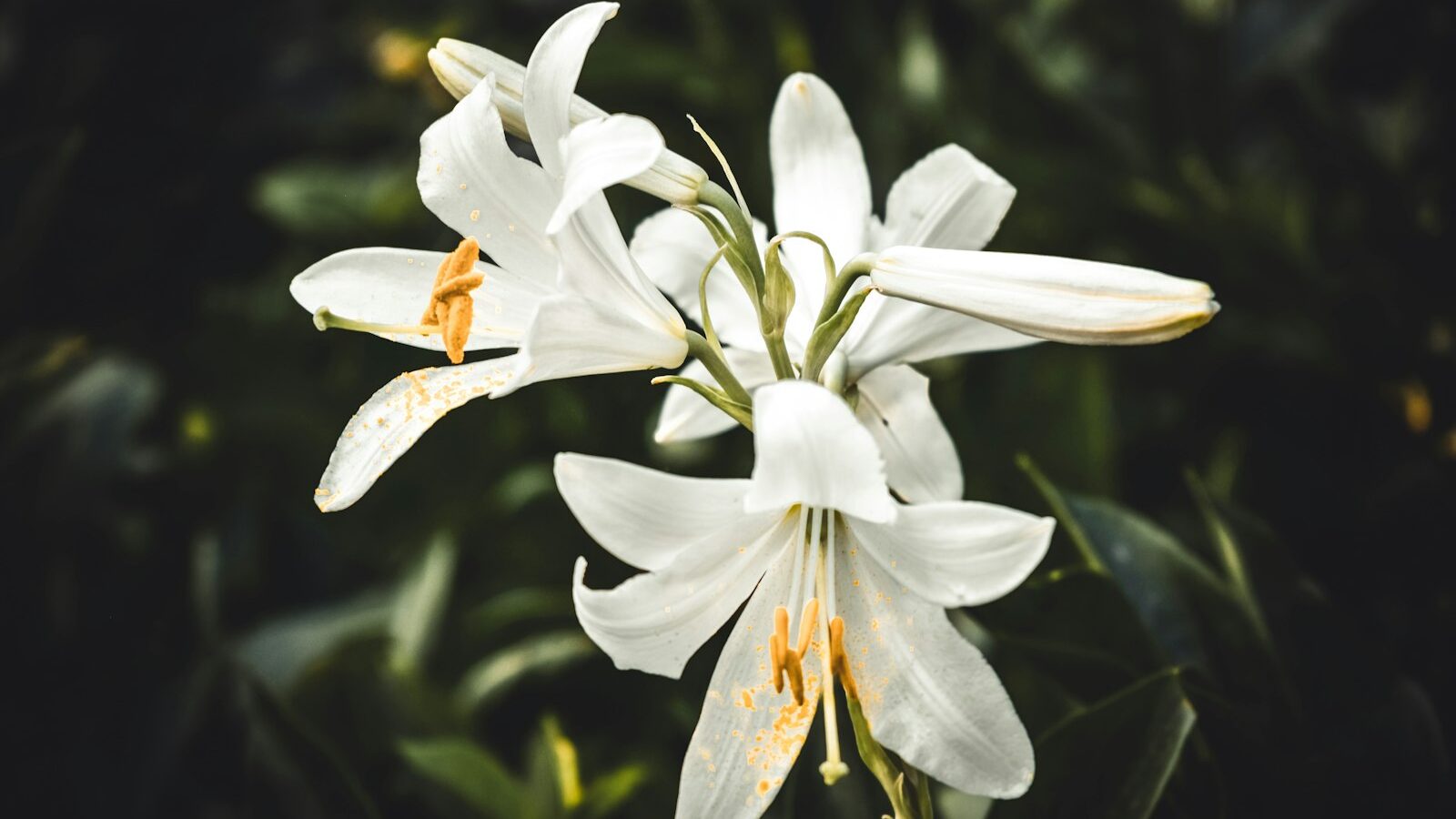
White flowers bring a quiet luminosity to any garden, glowing at dusk, softening bold color schemes, and lending an air of effortless elegance to borders, containers, and cutting beds alike. From fragrant gardenias and stately magnolias to delicate snowdrops and airy baby’s breath, the palette of white-flowering plants spans every season and growing situation. This browsable guide gathers 30 of the most graceful options, with quick care notes so you can match each one to your light, climate, and space.
Key takeaways
- White flowers suit nearly every garden style, from formal moon gardens to relaxed cottage borders.
- Choosing a mix of annuals, perennials, bulbs, shrubs, and climbers gives you white blooms in every season.
- Many white flowers are intensely fragrant and most visible at dusk, making them perfect near patios and walkways.
- Always match each plant to your USDA hardiness zone, light level, and mature height before planting.
- Pair white with silver foliage and pale pastels for the classic “white garden” glow popularized at Sissinghurst.
Fragrant white shrubs and trees
Woody plants form the backbone of a white garden, offering structure, fragrance, and years of reliable bloom. These shrubs and small trees anchor borders and frame entryways with their generous white flowers.
Gardenia (Gardenia jasminoides)
Prized for its waxy, intensely perfumed ivory blooms, gardenia thrives in partial shade with acidic, well-drained soil. It flowers from late spring into summer and grows 3 to 6 feet tall, hardy in USDA zones 8 to 11. In cooler regions, grow it in a container and overwinter indoors near bright light.
Oakleaf Hydrangea (Hydrangea quercifolia)
This shrub produces large, cone-shaped clusters of creamy white flowers that age to dusty rose, plus striking fall foliage. It prefers morning sun with afternoon shade and blooms in early to midsummer, reaching 4 to 8 feet. Hardy in zones 5 to 9, it is one of the most adaptable white-flowering hydrangeas.
Camellia (Camellia japonica)
White camellias offer rose-like, formal blooms in the cool months when little else flowers. Plant in partial shade with rich, acidic soil; expect flowers from late winter into spring on plants 6 to 12 feet tall. They are hardy in zones 7 to 9 and make handsome evergreen hedges or specimen shrubs.
Southern Magnolia (Magnolia grandiflora)
This iconic evergreen tree bears enormous, lemon-scented white flowers up to a foot across against glossy leaves. It enjoys full sun to part shade and blooms across late spring and summer, eventually reaching 60 to 80 feet. Hardy in zones 7 to 9, compact cultivars like ‘Little Gem’ suit smaller gardens.
Flowering Dogwood (Cornus florida)
A beloved spring tree, dogwood opens flat clusters of white bracts before its leaves emerge, followed by red berries and fiery fall color. It prefers dappled shade and moist, well-drained soil, blooming in early to mid-spring at 15 to 30 feet tall. It is hardy in USDA zones 5 to 9.
Mock Orange (Philadelphus coronarius)
Named for its citrus-scented flowers, mock orange covers itself in cupped white blooms in late spring to early summer. Grow it in full sun to part shade in average soil; it reaches 6 to 12 feet and is hardy in zones 4 to 8. Prune right after flowering to keep it shapely and floriferous.
Sweet Mock Bridal Wreath Spirea (Spiraea x vanhouttei)
This arching shrub drapes itself in cascades of tiny white flower clusters each spring, resembling a fountain of blossom. It thrives in full sun, blooms in mid to late spring, and grows 5 to 8 feet tall and wide. Hardy in zones 3 to 8, it is exceptionally easy and tolerant of poor soils.
White Rose (Rosa cultivars)
From climbing ‘Iceberg’ to fragrant English shrub roses, white roses are timeless cutting-garden staples. Most want at least six hours of sun and rich, well-drained soil, blooming from late spring through fall depending on variety. Heights range from 2 to 12 feet, with hardiness typically spanning zones 4 to 9.
Elegant white perennials
Perennials return year after year, building fuller displays each season. These white-flowering favorites range from early spring risers to late-summer stalwarts, ensuring there is always something in bloom.
Peony (Paeonia lactiflora)
White peonies produce lush, often fragrant blooms that are the highlight of the late-spring border. Plant in full sun with rich, well-drained soil, setting the eyes just an inch below the surface to ensure flowering. They grow 2 to 3 feet tall, bloom in late spring to early summer, and are hardy in zones 3 to 8.
Shasta Daisy (Leucanthemum x superbum)
The classic white-petaled, yellow-centered daisy is cheerful, dependable, and a magnet for pollinators. It thrives in full sun and average soil, blooming from early summer into fall if deadheaded, at 1 to 3 feet tall. Hardy in zones 5 to 9, it divides easily every few years to keep clumps vigorous.
Hellebore (Helleborus niger)
Known as the Christmas rose, this evergreen perennial opens nodding white flowers in the depths of winter and early spring. It prefers part to full shade and humus-rich soil, staying compact at 9 to 12 inches tall. Hardy in zones 3 to 8, it brings life to the garden when almost nothing else blooms.
Japanese Anemone (Anemone x hybrida ‘Honorine Jobert’)
This graceful perennial sends up tall wands of pure white, yellow-centered flowers in late summer and fall. It enjoys part shade and consistently moist soil, reaching 3 to 4 feet in bloom. Hardy in zones 4 to 8, it spreads gently to form drifts that sway beautifully in autumn breezes.
Baby’s Breath (Gypsophila paniculata)
A cloud of tiny white flowers, baby’s breath softens borders and is indispensable in bouquets. It loves full sun and lean, alkaline, well-drained soil, blooming in early to midsummer at 2 to 3 feet tall and wide. Hardy in zones 3 to 9, it dislikes wet feet and resents being moved once established.
Candytuft (Iberis sempervirens)
This low, evergreen perennial blankets itself in crisp white flowers in spring, ideal for edging and rock gardens. Give it full sun and sharp drainage; it stays under 12 inches tall and spreads to form a tidy mat. Hardy in zones 3 to 9, a light shearing after bloom keeps it dense.
Foxglove (Digitalis purpurea ‘Alba’)
White foxgloves send up dramatic spires of tubular bells, perfect for adding vertical drama to a shady border. Grow in part shade and moist, rich soil; they reach 3 to 5 feet and bloom in early summer. Usually biennial and hardy in zones 4 to 8, they self-seed to maintain a presence. Note that all parts are toxic if eaten.
Phlox (Phlox paniculata ‘David’)
The award-winning ‘David’ offers large heads of fragrant white flowers and excellent mildew resistance. Plant in full sun with good air circulation and rich soil; it blooms from mid to late summer at 3 to 4 feet. Hardy in zones 4 to 8, it draws butterflies and hummingbirds to the late-season garden.
Bleeding Heart (Lamprocapnos spectabilis ‘Alba’)
This shade favorite dangles rows of pure white, heart-shaped lockets along arching stems in spring. It thrives in part to full shade with moist, humus-rich soil, reaching 2 to 3 feet before going dormant in summer heat. Hardy in zones 3 to 9, it pairs beautifully with ferns and hostas.
White bulbs and climbers
Bulbs deliver some of the season’s earliest and most reliable white flowers, while climbers carry the color skyward on trellises, arbors, and walls. Together they add layers of interest from ground level to overhead.
Snowdrop (Galanthus nivalis)
Among the very first flowers of the year, snowdrops push their nodding white bells through frozen ground in late winter. Plant the small bulbs in fall in part shade and moist soil; they reach just 3 to 6 inches tall. Hardy in zones 3 to 7, they naturalize into sweeping drifts over time.
White Tulip (Tulipa cultivars)
White tulips such as ‘White Triumphator’ and ‘Maureen’ lend crisp elegance to spring beds and containers. Plant bulbs in fall in full sun and well-drained soil; they bloom in mid to late spring at 12 to 24 inches tall. Hardy in zones 3 to 8, they are often treated as annuals in warm climates.
White Lily (Lilium ‘Casa Blanca’)
Oriental lilies like ‘Casa Blanca’ produce huge, heavily perfumed white flowers that scent an entire garden. Plant bulbs in fall or spring in full sun with their roots shaded; they bloom in mid to late summer at 3 to 4 feet. Hardy in zones 4 to 9, they are superb cut flowers.
Calla Lily (Zantedeschia aethiopica)
The sculptural white spathe of the calla lily brings a modern, architectural note to borders and pots. It prefers full sun to part shade and consistently moist soil, blooming through summer at 1 to 3 feet tall. Hardy in zones 8 to 10, gardeners in colder areas lift the rhizomes for winter.
White Daffodil (Narcissus ‘Mount Hood’)
Pure white daffodils like ‘Mount Hood’ offer a refined alternative to the usual yellow trumpets in spring. Plant bulbs in fall in full sun to light shade and well-drained soil; they bloom in early to mid-spring at 14 to 18 inches. Hardy in zones 3 to 8, they are deer- and rodent-resistant.
Star of Bethlehem (Ornithogalum umbellatum)
This easygoing bulb opens starry white flowers with green-striped backs in late spring. It grows in full sun to part shade in most soils, staying low at 6 to 12 inches tall. Hardy in zones 4 to 9, it naturalizes readily, so site it where its spreading habit is welcome.
Clematis (Clematis ‘Henryi’)
The climber ‘Henryi’ unfurls large, satiny white flowers with contrasting dark centers across summer. Give it full sun on top with shaded, cool roots and a trellis to climb, reaching 8 to 12 feet. Hardy in zones 4 to 9, it rewards a yearly feeding with masses of blooms.
Star Jasmine (Trachelospermum jasminoides)
This evergreen climber smothers walls and arbors in fragrant, pinwheel-shaped white flowers in late spring and summer. It enjoys full sun to part shade and well-drained soil, climbing 10 to 20 feet over time. Hardy in zones 8 to 10, its sweet perfume is strongest in the evening air.
Moonflower (Ipomoea alba)
True to its name, this vigorous annual vine unfurls dinner-plate white flowers at dusk, releasing a heady fragrance overnight. Grow in full sun with a sturdy support; it climbs 10 to 15 feet in a single season and blooms from midsummer to frost. Hardy as a perennial only in zones 9 to 11, it is the star of any moon garden.
White annuals and edging plants for moon gardens
A moon garden is designed to shine after dark, relying on white and silver plants that catch moonlight and reflect it back. These fast-growing annuals and low edgers fill gaps quickly and keep the glow going from spring to frost. Plant them near seating areas where their luminous petals and evening fragrance can be enjoyed at twilight.
White Cosmos (Cosmos bipinnatus ‘Purity’)
Airy and effortless, white cosmos float their single blooms above feathery foliage all season long. Sow seed in full sun and lean soil; plants reach 3 to 5 feet and flower from early summer until frost. Grown as an annual everywhere, it self-seeds freely and attracts bees and butterflies.
Sweet Alyssum (Lobularia maritima)
This carpeting annual covers itself in honey-scented white flowers, perfect for edging, containers, and cracks in paving. Grow in full sun to part shade; it stays under 8 inches tall and blooms from spring through fall in cool weather. An annual in most zones, it often reseeds and shrugs off light frost.
White Petunia (Petunia x hybrida)
White petunias pour from baskets and beds with continuous trumpet-shaped blooms that glow at night. Plant in full sun and fertile soil, feeding regularly for best performance; they reach 6 to 12 inches and bloom spring to frost. Grown as an annual, the fragrant white forms are especially valued in moon gardens.
Flowering Tobacco (Nicotiana alata)
This dusk-blooming annual opens star-shaped white flowers that release an intoxicating jasmine-like scent each evening. Grow in full sun to part shade and rich soil; it reaches 2 to 4 feet and flowers all summer. An annual in most regions, it is a moon-garden classic alongside moonflower and nicotiana relatives.
Spider Flower (Cleome hassleriana ‘White Queen’)
Tall and airy, white cleome carries spidery, fragrant blooms atop strong stems all summer. Sow in full sun and average soil; it reaches 3 to 5 feet and flowers from early summer to frost. Grown as an annual, it self-seeds enthusiastically and provides excellent height at the back of a moon garden.
White Begonia (Begonia semperflorens)
Reliable and shade-tolerant, white wax begonias bloom nonstop with neat, glossy mounds of flowers. Grow in part shade to full sun in moist, well-drained soil; they stay compact at 6 to 12 inches and bloom spring to frost. Treated as annuals in most zones, they are ideal for shady edges and containers.
For step-by-step planting and maintenance help with any of these, see our plant & flower care guide. If you want to expand your palette, explore our roundups of romantic pink flowers and cool-toned blue flowers to build a layered, multi-season display.
Frequently asked questions
What is a moon garden?
A moon garden is a planting designed to be enjoyed in the evening, using white and silver flowers and foliage that reflect moonlight and seem to glow after dark. Fragrant, dusk-opening plants like moonflower, flowering tobacco, and white petunia make these gardens especially magical near patios and walkways.
Which white flowers are the most fragrant?
For powerful evening scent, choose gardenia, star jasmine, moonflower, flowering tobacco, and Oriental lilies such as ‘Casa Blanca’. Mock orange and many white roses add daytime fragrance, so combining several gives you perfume from morning until midnight.
Can I have white flowers blooming all year?
Yes. Layer snowdrops and hellebores for late winter, dogwood and tulips for spring, peonies and roses for early summer, phlox and lilies for high summer, and Japanese anemones for fall. In mild zones, camellias extend the white display into the coldest months.
Do white flowers attract pollinators?
Many do. Shasta daisy, cosmos, sweet alyssum, and phlox draw bees and butterflies by day, while night-blooming moonflower and flowering tobacco are pollinated by moths. White and pale flowers are especially visible to nocturnal pollinators.
What pairs well with white flowers in the garden?
Silver and gray foliage plants like lamb’s ear, artemisia, and dusty miller intensify the luminous effect, while soft pastels such as pale pink and powder blue blend gracefully. Deep green evergreens provide contrast that makes white blooms pop.