

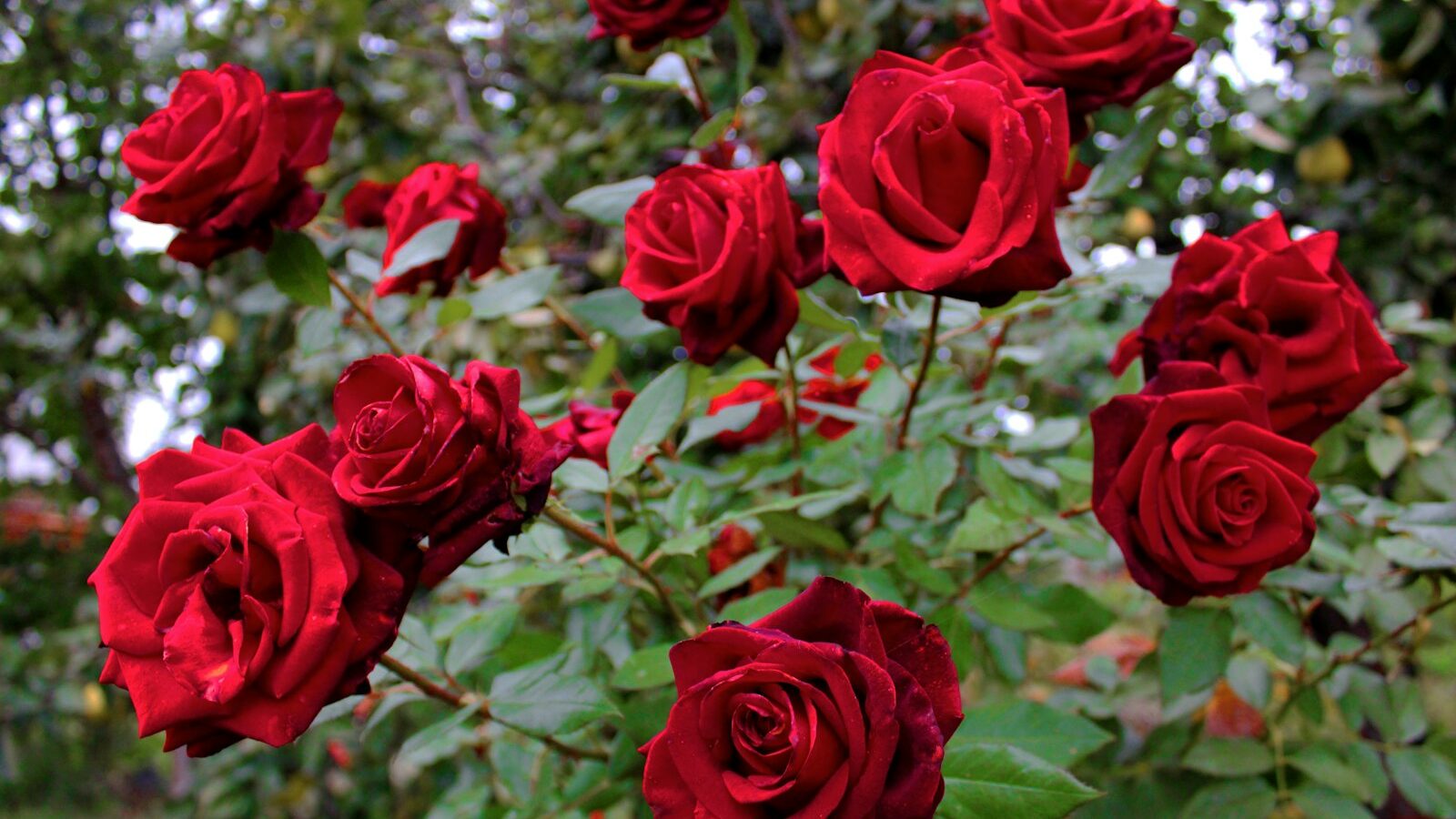
Roses have a reputation for being fussy, but most modern varieties are far more forgiving than their old-fashioned cousins. With the right spot, a deep drink, and a handful of seasonal tasks, you can grow healthy, blooming roses your very first year. This beginner’s guide walks you through choosing a type, planting, feeding, pruning, and handling the most common pests and diseases.
Rose quick facts
- Light: full sun (6+ hrs)
- Soil: rich, well-drained
- Water: deep, at the base
- USDA zones: 3-9 (by type)
- Feed & deadhead for repeat blooms
As an Amazon Associate we earn from qualifying purchases.
Choosing the Right Type of Rose
The word “rose” covers thousands of varieties, but beginners only need to recognize a handful of categories. Picking the right type for your space and skill level is the single biggest factor in success, so start here before you buy.
Common rose types
- Hybrid tea: The classic florist rose, one large bloom per long stem. Beautiful but more disease-prone and demanding.
- Floribunda: Bushy plants that produce clusters of medium blooms. Easier and more continuous than hybrid teas.
- Climbing: Long, flexible canes you train onto trellises, arbors, or fences. Need support and a little patience to establish.
- Shrub / landscape: Tough, low-maintenance roses like the Knock Out series that bloom all season with minimal care.
- David Austin (English) roses: Old-fashioned, fragrant, cabbage-like blooms on modern, disease-resistant plants. A great blend of beauty and toughness.
If this is your first rose, start with a Knock Out, another landscape shrub, or a David Austin variety. They forgive mistakes that would set back a hybrid tea, and many shrub roses are bred specifically for disease resistance, so you spend less time spraying and fussing. Also check the USDA hardiness zone listed on the plant tag; most roses thrive in zones 5 to 9, while certain hardy shrub and Canadian-bred roses tolerate zones 3 and 4. For more flowering-plant comparisons, browse our plant & flower care guide.
Planting: Bare-Root vs. Container Roses
Roses are sold two ways, and each has its own planting routine. Bare-root roses are dormant, leafless plants shipped in late winter or early spring; container roses are already growing in a pot and can go in almost any time during the season.
How to plant bare-root roses
- Soak the roots in a bucket of water for 8 to 12 hours before planting.
- Dig a hole about 18 inches wide and deep, and mound soil in the center.
- Spread the roots over the mound. In cold zones (3-6), set the graft union (the knobby swelling) about 2 inches below soil level; in warm zones, keep it at or just above the surface.
- Backfill, water deeply, and mound loose soil over the canes until new growth appears.
How to plant container roses
- Dig a hole twice as wide as the pot and just as deep.
- Gently loosen any circling roots before setting the plant in.
- Match the soil level to the same depth it sat in the pot, then water thoroughly.
Space most bush roses 2 to 3 feet apart so air can flow freely around the foliage. Good airflow is one of the best free defenses against disease.
Light, Soil, and Watering
Get these three basics right and your roses will largely take care of themselves. Roses are sun-lovers and heavy feeders that hate wet feet, so location and drainage matter enormously.
The essentials
- Light: At least 6 hours of direct sun, ideally morning sun that dries dew off the leaves quickly.
- Soil: Rich, loamy, well-drained soil with a slightly acidic pH of 6.0 to 6.5. Amend heavy clay or sandy soil with plenty of compost.
- Water: Roses need about 1 to 2 inches of water per week. Water deeply and infrequently to encourage deep roots.
Always water at the base of the plant rather than overhead. Wet foliage invites black spot and powdery mildew, so a watering can aimed at the soil or a soaker hose is far better than a sprinkler. Early morning is the best time to water, giving any splashed leaves the whole day to dry. Newly planted roses need extra attention during their first season, so check the soil every few days and water whenever the top inch or two feels dry. Roses grown in containers dry out faster and may need daily watering in summer heat.
Feeding and Mulching
Roses are hungry plants, and regular feeding is what powers wave after wave of blooms. Pair feeding with a generous layer of mulch and you create the moist, fertile root zone roses crave.
A simple feeding schedule
- Begin feeding in early spring once new growth is a few inches long.
- Use a balanced or rose-specific fertilizer and repeat every 4 to 6 weeks through summer.
- Stop feeding 6 to 8 weeks before your first expected frost so tender new growth has time to harden off.
A granular rose fertilizer makes feeding nearly foolproof. After feeding, spread 2 to 3 inches of organic mulch (shredded bark, compost, or chopped leaves) around each plant, keeping it a couple of inches away from the canes. Mulch conserves moisture, suppresses weeds, and moderates soil temperature.
Pruning Basics by Type and Timing
Pruning intimidates beginners, but roses are tough and recover from almost any cut. The main goals are to remove dead or damaged wood, open up the center for airflow, and encourage strong new blooming stems.
When and how to prune
- Timing: Do major pruning in late winter or early spring, just as the buds begin to swell. A classic cue is when forsythia blooms in your area.
- Hybrid tea & floribunda: Cut back hard, leaving 3 to 5 healthy canes about 12 to 18 inches tall. Cut at a 45-degree angle just above an outward-facing bud.
- Shrub / landscape (Knock Out): Simply reduce the plant by about one-third in early spring; they are very forgiving.
- Climbing roses: Do not prune hard in the first two years. Once established, remove old canes after the main flush and tie new ones horizontally to encourage more blooms.
A sharp pair of bypass pruners and a good pair of rose gloves make the job clean and painless. For broader timing on woody plants, see our guide on when to prune.
Deadheading and Winter Protection
Two seasonal habits keep your roses blooming longer and surviving the cold. Deadheading pushes repeat flowering through summer, while winter protection carries your plants safely into spring.
Deadheading
Removing spent flowers signals the plant to make more instead of setting seed. Snip the faded bloom back to the first set of five healthy leaves, cutting just above an outward-facing leaflet. Note that many landscape roses like Knock Outs are self-cleaning and rebloom without deadheading. Stop deadheading in early fall and let the last blooms form hips, which signals the plant to go dormant.
Winter protection
- In zones 3-6, mound 8 to 12 inches of soil, compost, or mulch over the base of the plant after the first hard frost.
- For grafted roses, make sure the graft union stays well covered.
- In mild zones (7-9), a simple layer of mulch is usually enough.
- Remove the extra mounding gradually in spring as temperatures rise.
If you also grow flowering shrubs, our hydrangea care guide covers similar seasonal protection in cold climates.
Common Rose Problems and How to Fix Them
Even healthy roses attract a few familiar troublemakers. Catching them early and improving airflow and watering habits solves most issues before they get serious.
Diseases and pests to watch for
- Black spot: Black blotches with yellowing leaves, made worse by wet foliage. Remove infected leaves, water at the base, and choose resistant varieties.
- Powdery mildew: A white, dusty coating on leaves and buds. Improve airflow and avoid overhead watering.
- Aphids: Tiny green or black insects clustered on new growth. Blast them off with a hose or treat with insecticidal soap.
- Japanese beetles: Metallic beetles that chew flowers and leaves. Hand-pick them into soapy water in the early morning when they are sluggish.
An organic neem oil spray controls many pests and fungal diseases at once. Apply it in the evening to avoid leaf burn and to protect pollinators. Above all, remember that prevention through good siting, spacing, and base watering beats any spray.
Frequently asked questions
Which roses are easiest for beginners?
Landscape shrub roses like the Knock Out series and disease-resistant David Austin varieties are the most forgiving. They bloom heavily, resist common diseases, and need far less pruning and spraying than hybrid teas.
How often should I water my roses?
Aim for about 1 to 2 inches of water per week, applied deeply at the base of the plant rather than overhead. Water more often during hot, dry spells and less during cool or rainy weather.
When is the best time to prune roses?
Do major pruning in late winter or early spring as the buds begin to swell. A reliable cue is when forsythia blooms locally. Light deadheading and shaping can be done throughout the growing season.
Do I need to deadhead my roses?
Deadheading encourages most roses to rebloom faster through summer. However, many landscape roses such as Knock Outs are self-cleaning and will rebloom without it. Stop deadheading in early fall to let plants harden off for winter.
How do I stop black spot on my roses?
Water at the base instead of overhead, space plants for good airflow, and promptly remove infected leaves. Choosing disease-resistant varieties and applying neem oil preventively also keeps black spot in check.