

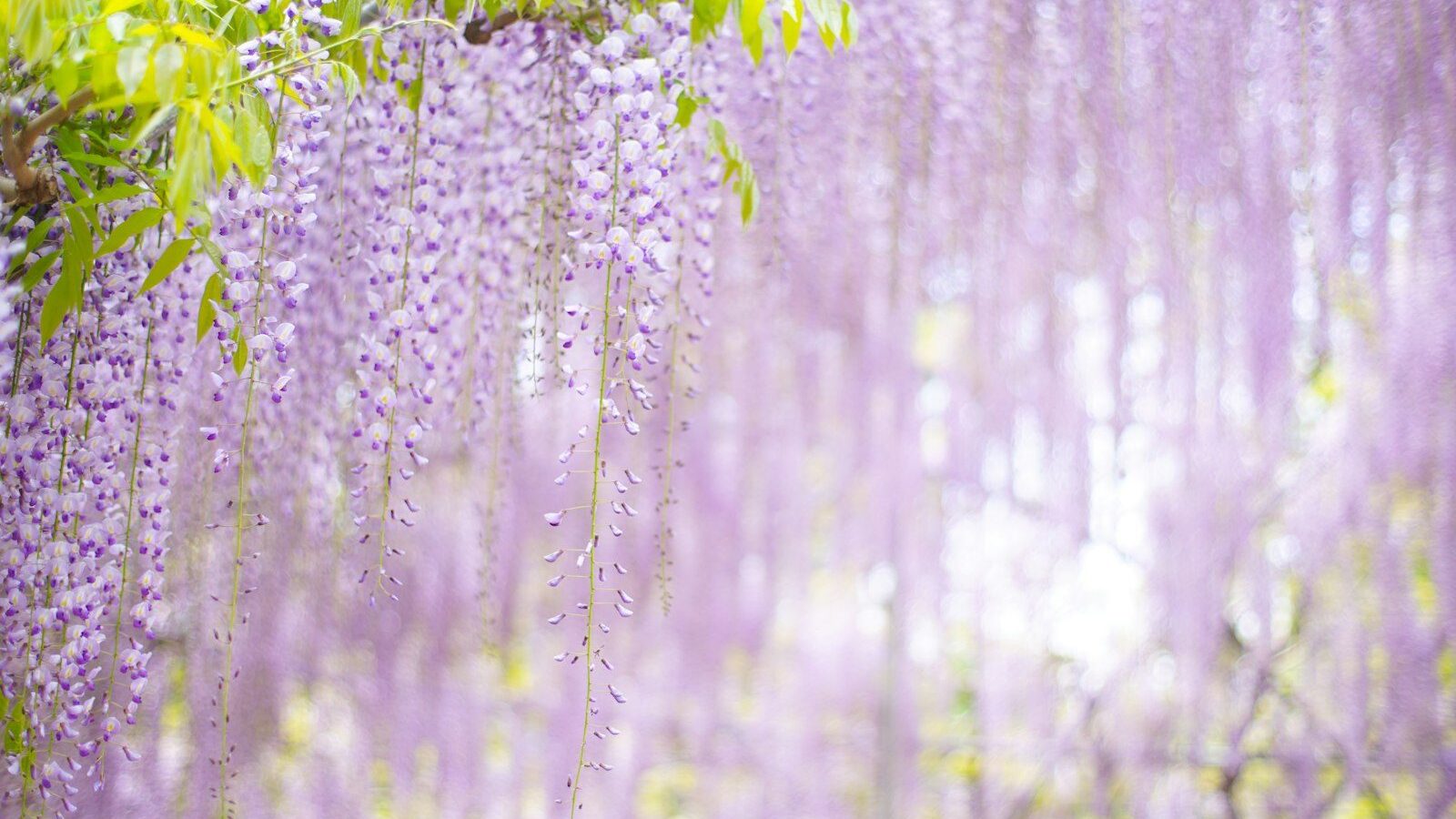
Wisteria rewards exactly one thing: discipline. Left alone, a mature plant becomes a tangle of whippy growth that climbs gutters, prises apart fence boards, smothers itself in leaf, and flowers poorly — all that energy goes into stems instead of blooms. The fix is the classic two-cut routine that experienced growers swear by: a hard summer prune in July or August to tame the long, leafy whips, followed by a tidy-up winter prune in January or February that shortens those same stems back to short flowering spurs. Done together, these two prunes convert wild vegetative growth into a controlled framework studded with fat flower buds, and they are the single biggest reason between a wisteria that drips with racemes every May and one that produces nothing but green. This guide walks through both cuts in detail, the timing, the tools, how to train a young plant, and how to renovate an old neglected one.
Key Takeaways
- Prune wisteria twice a year: a summer cut (July–August) and a winter cut (January–February).
- In summer, shorten the long whippy side shoots back to about five or six leaves from the main framework.
- In winter, cut those same shoots harder still — back to two or three buds — to form short flowering spurs.
- This two-stage routine diverts energy from leafy growth into flower buds and keeps the plant in bounds.
- Never let wisteria twine around drainpipes, gutters, or structural timber — it is strong enough to crush them.
- Newly planted wisteria can take three to seven years to flower; pruning and patience both matter.
Why Wisteria Needs Pruning Twice a Year
Wisteria is one of the most vigorous flowering climbers you can grow. A healthy established plant pushes out new shoots that can run 6 to 10 feet in a single season, twining around anything in reach. That vigor is the problem: every foot of leafy whip is energy the plant spends on growth instead of flowers. Pruning interrupts that, repeatedly shortening the new growth so the plant is forced to set flower buds on short, woody spurs close to the main branches rather than racing away into leaf.
The reason for two prunes rather than one comes down to the wisteria’s growth cycle. The summer prune removes the bulk of the season’s surge while there is still warmth and light for the plant to ripen the remaining wood and initiate buds. The winter prune, done while the plant is dormant and leafless, lets you see the framework clearly and make the final, precise cuts that expose the flower buds to spring sun. Skip the summer cut and you face an overwhelming jungle in winter; skip the winter cut and the spurs stay long, leafy, and shy to flower. Both together are what professional gardeners do, and the payoff is reliable, heavy bloom.
It helps to know what you are cutting toward. Flower buds are plump, rounded, and fatter than the slim, pointed leaf buds — once you can tell them apart, winter pruning becomes a simple matter of cutting just above the fat buds and removing the rest.
The Summer Prune (July to August)
The summer prune happens about two months after flowering, once the plant has finished its main flush of growth and the new whippy shoots are long and obvious. In most temperate climates that means mid-July through August. The goal here is to cut back this season’s long, leafy side shoots — the ones snaking out from the main horizontal or vertical framework branches — to roughly five or six leaves, which is around 6 inches of growth.
- Identify the main framework branches you are keeping — the permanent woody arms trained along your wall, pergola, or wires.
- Find the long green whips growing off them. These are this year’s growth and the target of the cut.
- Count five or six leaves out from the base of each whip and cut just beyond that point with sharp secateurs.
- Remove any shoot that is twining around gutters, downpipes, roof tiles, or other plants entirely.
- Tie in any well-placed new shoots you want to keep to extend the framework, rather than cutting them.
This summer cut does three things at once: it lets light and air into the plant so the wood ripens and flower buds form, it keeps the plant tidy and in bounds through late summer, and it sets you up for an easy, less drastic winter prune. Wisteria can produce a second, smaller flush of shoots after a summer prune; simply shorten any of those back to a leaf or two when you do the winter cut.
The Winter Prune (January to February)
The winter prune is done in the dead of dormancy, typically January or February, when the plant is bare and the framework — and the fat flower buds — are fully visible. This is the cut that maximizes flowering. You are taking those same shoots you shortened in summer and cutting them harder still, back to just two or three buds from the base, leaving short stubby spurs of about 2 to 3 inches.
Work along each framework branch and shorten every side shoot to two or three buds. Because the leaves are gone you can clearly see where the plump flower buds sit, so cut to just above a fat bud wherever possible. Remove any dead, damaged, weak, or crossing wood at the same time, and pull off any seed pods left from the previous year, since they drain energy. The result should look almost startlingly bare — a clean skeleton of branches dotted with short spurs. That sparse look is exactly right; those spurs are where the racemes will hang in spring.
If your wisteria still refuses to bloom despite correct pruning, the cause is usually one of three things: the plant is still too young (seed-grown plants can take up to seven years, grafted named varieties two to three), excess nitrogen fertilizer is pushing leaf over flower, or a late frost has nipped the buds. Switch to a high-potassium feed, such as a rose or tomato fertilizer, in spring to encourage flowering, and avoid lawn feeds near the roots.
Training a Young Wisteria
The first few years are about building a permanent framework, not about flowers. Decide on your structure — a series of horizontal wires on a wall, a pergola, or a free-standing standard — and train a strong leading shoot upward to the desired height, tying it in as it grows. Once the leader reaches the top of its support, pinch out the tip to encourage side branches, then train those branches out along your wires or beams to form the main arms.
During these establishment years, still apply the twice-yearly prune to the side shoots coming off your developing framework: shorten them in summer to around six leaves and again in winter to two or three buds. This builds up the flowering spur system early so that, once the plant is mature enough to bloom, the framework is already studded with spurs. Keep tying in and spacing the framework branches so they do not cross or crowd, aiming for an open, well-spaced structure that light can reach.
Renovating an Overgrown Wisteria
A neglected wisteria that has become a massive tangle can be brought back, but it takes a season or two and a firm hand. Start in winter by cutting out all the dead and damaged wood and untangling the chaos of stems so you can identify the main structural branches worth keeping. Remove entire whippy stems that are surplus to the framework right back to their origin. You can cut a very old, woody main stem back hard — even to a stump 2 to 3 feet from the base — and a healthy wisteria will usually regenerate vigorously from there, though it will sacrifice a year or two of flowering while it rebuilds.
After a hard renovation, the plant responds with a rush of vigorous new shoots. Select the best-placed of these to form your new framework, tie them in, and rub or cut off the rest. Then return to the standard summer-and-winter routine. Within two to three years a properly renovated plant is back in flower and far easier to manage. For more on shaping woody climbers and shrubs, see our broader pruning and Outdoor Living guides, and if you are building the structure to grow wisteria on, our guides on trellises and arches in the landscaping section walk through sturdy supports. You can also compare loppers, secateurs, and pruning saws in our Tools & Gear reviews.
Tools and Aftercare
For the summer prune, a sharp pair of bypass secateurs is all you need for the soft green whips. The winter prune may call for loppers on thicker two-year wood and a pruning saw for any old structural stems you are renovating. Keep blades clean and sharp so cuts are crisp rather than crushed, and wipe them down between plants. There is no need to seal wisteria cuts; clean cuts heal on their own.
After pruning, mulch around the base in spring with compost or well-rotted manure, keeping it clear of the stem, and water deeply during dry spells in the first few years. Hold back on nitrogen-rich feeds, which drive leafy growth at the expense of flowers, and lean instead on a potassium-rich feed to support blooming. One safety note worth repeating: all parts of wisteria, especially the seeds in those dangling pods, are toxic if eaten, so wear gloves, keep prunings away from pets and children, and dispose of seed pods rather than leaving them to drop.
Frequently Asked Questions
When exactly should I prune wisteria?
Prune twice a year. The summer prune is done about two months after flowering, in July or August, shortening the long side shoots to five or six leaves. The winter prune is done while the plant is dormant in January or February, cutting those shoots back further to two or three buds.
Why won’t my wisteria flower?
The most common reasons are youth (seed-grown plants take up to seven years to bloom), too much nitrogen fertilizer driving leaf instead of flower, a late frost damaging buds, or a lack of proper summer-and-winter pruning. Switch to a high-potassium feed and follow the two-prune routine.
Can I cut wisteria back hard?
Yes. An overgrown or neglected wisteria can be renovated by cutting old woody stems back hard in winter, even down to a stump 2 to 3 feet from the base. A healthy plant regrows vigorously, though it may skip flowering for a year or two while it rebuilds its framework.
How do I tell flower buds from leaf buds?
Flower buds are plump, rounded, and noticeably fatter than the slim, pointed leaf buds. When you do the winter prune on bare stems, cut just above the fat, rounded buds — those are the ones that will open into the spring flower racemes.
What happens if I never prune my wisteria?
It becomes a dense, tangled mass that flowers poorly, twines into gutters and downpipes (which it is strong enough to damage), and smothers itself in leaf. Energy goes into growth rather than blooms, so an unpruned wisteria is usually all foliage and very few flowers.