

Lemon verbena (Aloysia citrodora) has the most intensely lemony scent of any herb you can grow — brush a leaf and the fragrance is pure, sweet citrus, far brighter than lemon balm or lemongrass. Native to South America, this tender deciduous shrub flavors teas, desserts, syrups, and potpourri, and dries beautifully without losing its punch. The one catch for most US gardeners is that lemon verbena is frost-sensitive and hardy only in warm zones, so anywhere colder than about zone 8 you’ll grow it in a container and either overwinter it indoors or treat it as an annual. This guide covers growing lemon verbena in pots and in the ground, light and watering, harvesting and pruning for bushy growth, and exactly how to nurse it through winter so it returns each spring.
Key Takeaways
- Hardy only in USDA zones 8–11; grow it in a container in colder regions so you can move it indoors for winter.
- Give it full sun — at least 6–8 hours a day — for the most fragrant, vigorous growth.
- Use a well-draining pot with drainage holes; let the top inch of soil dry between waterings and never let it sit in water.
- Harvest leaves anytime once the plant is established; regular harvesting and pinching keep it bushy and productive.
- Overwinter indoors in a cool, bright spot; the plant often drops all its leaves and goes dormant — that’s normal, not death.
- Prune hard in late winter or early spring to spur fresh, fragrant new growth.
Growing in a Container vs. the Ground
Lemon verbena is hardy only in USDA zones 8 through 11, where it can live outdoors year-round and grow into a woody shrub four to six feet tall. Everywhere colder — which is most of the US — the smart approach is to grow it in a container so you can bring it indoors before frost. A movable pot lets you have this Mediterranean-loving herb anywhere and gives you the option to overwinter it rather than buying a new plant each spring.
Choose a pot at least 12 to 16 inches wide with drainage holes — verbena resents wet feet, and a pot that drains freely is non-negotiable. Use a high-quality, well-draining potting mix; you can blend in a little extra perlite or coarse sand to sharpen drainage further. A container that’s too large stays soggy, while one that’s too small dries out and limits growth, so size up gradually as the plant matures, repotting in spring every year or two. If you garden in zone 8 or warmer and want to plant it in the ground, pick a sheltered, sunny spot with excellent drainage; in the colder edge of its range, a thick winter mulch over the roots helps it survive. For other container herbs and small-space ideas, see our Urban Gardening guides.
Light, Soil, and Watering
Lemon verbena is a sun worshipper. Give it full sun — at least six to eight hours of direct light daily, and the more the better. In too little light it grows leggy and sparse and loses much of its signature fragrance, since the aromatic oils develop best in bright sun. Outdoors in summer, place the pot in your sunniest spot; indoors over winter, a south-facing window or a grow light is essential.
The plant likes moderate, even moisture but sharp drainage. Water when the top inch of soil feels dry, then water thoroughly until it runs from the drainage holes, and always empty the saucer so the roots never sit in standing water. In hot summer weather a vigorous potted verbena may need watering every day or two; in cooler conditions and during winter dormancy, far less. Overwatering and poor drainage — leading to root rot — are the most common ways gardeners kill this herb, so when in doubt, let it dry slightly. Feed lightly during the active growing season, roughly every few weeks, with a diluted balanced or all-purpose fertilizer; verbena isn’t a heavy feeder, and too much fertilizer produces soft growth at the expense of concentrated oils and aroma. Stop feeding in fall as growth slows.
Harvesting Lemon Verbena
One of the joys of lemon verbena is that harvesting actually improves the plant, encouraging bushier, denser growth. Once the plant is established and growing strongly, you can pick leaves anytime through the growing season. For the most concentrated lemon flavor and oil, harvest in the morning after the dew has dried but before the day’s heat. Snip individual leaves or, better, pinch back whole stem tips — this both gives you a usable harvest and prompts the plant to branch and fill out rather than growing tall and lanky.
You can take a larger harvest by cutting back stems by up to a third at a time, which the plant rebounds from readily. Lemon verbena dries exceptionally well and, unusually for an herb, keeps much of its fragrance and flavor when dried. To preserve a harvest, gather stems, bundle them loosely, and hang them upside down in a warm, dark, airy place, or strip the leaves and dry them on a screen; once crisp, store them in an airtight jar away from light. The dried leaves are wonderful in herbal teas, infused into sugar or syrup, or added to baked goods. Always do a final big harvest in fall before bringing the plant indoors, since it will drop its leaves anyway as it goes dormant.
Pruning for Bushy Growth
Lemon verbena naturally wants to grow tall, open, and a bit straggly if left alone, so regular pruning keeps it compact and productive. Throughout the growing season, pinch the stem tips frequently — every harvest is a chance to do this — to encourage branching. The single most important prune, though, comes in late winter or early spring: cut the plant back hard, removing up to half its height and shaping the woody framework, just before or as new growth begins. This hard prune triggers a flush of vigorous, fragrant new shoots and prevents the plant from becoming a sparse, woody skeleton.
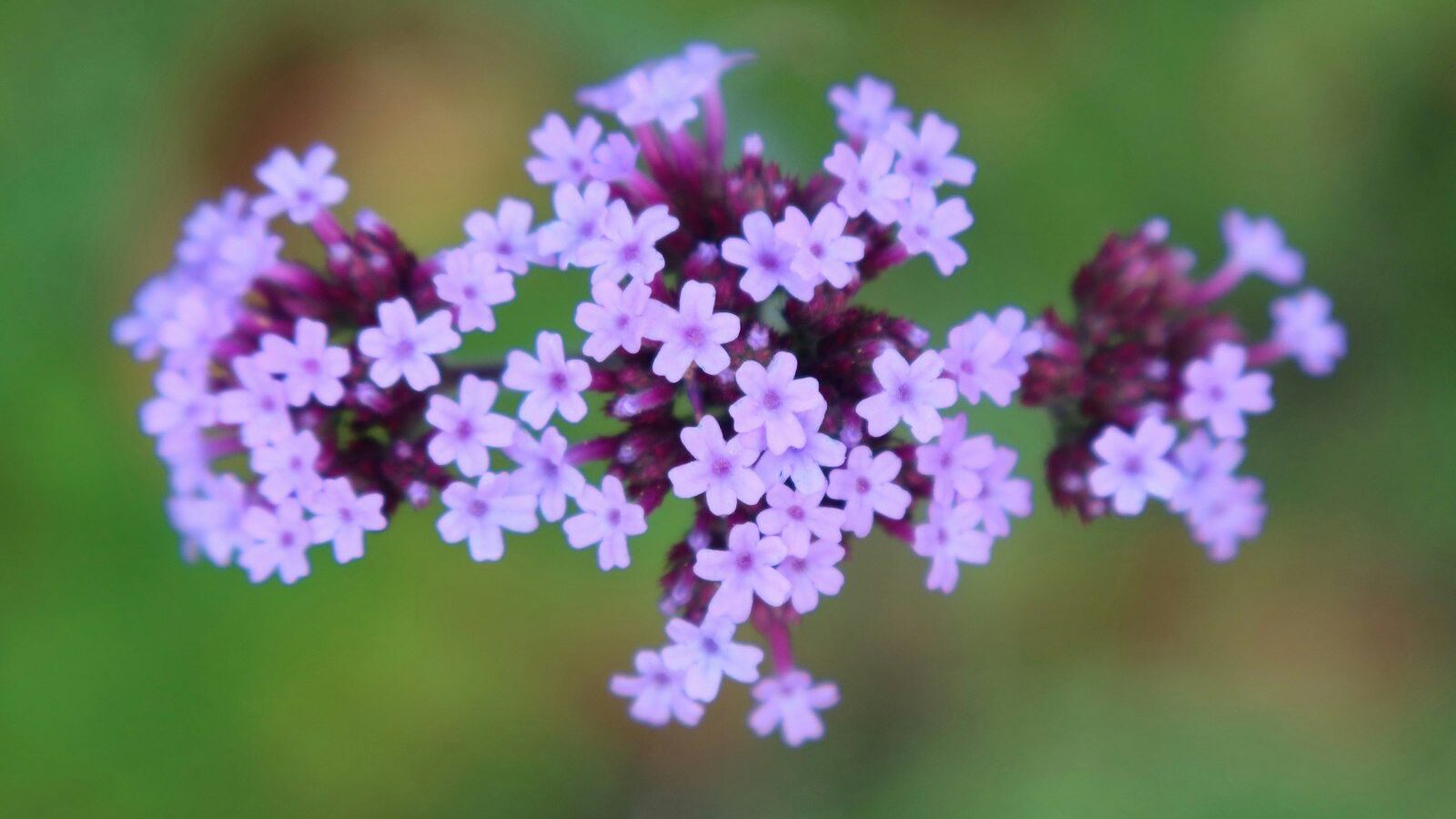
Don’t be alarmed by how bare the plant looks after this spring cut-back — lemon verbena recovers fast and the new growth carries the strongest scent. The plant flowers with small, airy sprays of pale lilac-white blooms in summer; they’re modest but attract pollinators. If you’d rather the plant put its energy into leaves than flowers, you can pinch off the flower buds. For a refresher on keeping cutting tools clean and sharp for jobs like this, our notes on sharpening garden blades apply to pruners and snips too.
How to Overwinter Lemon Verbena
For gardeners in zone 7 and colder, overwintering is the key to keeping a lemon verbena going year after year. Because the plant is frost-tender, bring the container indoors before the first frost in fall, once nighttime temperatures start dropping into the 40s. Before you move it in, give the plant a good harvest and cut it back, check thoroughly for pests like aphids and spider mites, and hose it off so you don’t import bugs into the house.
Here’s the part that surprises new growers: lemon verbena is deciduous and will likely drop all of its leaves when brought indoors and as it enters dormancy — sometimes within days. This is normal and does not mean the plant is dead. It’s simply going to sleep for the winter. The trick is to give it the right dormant conditions. Place the plant in a cool, bright location — an unheated but frost-free room, a cool basement window, a garage that stays above freezing, or a chilly enclosed porch, ideally around 40–55°F. Cool temperatures encourage true dormancy and reduce the plant’s need for light.
During dormancy, water sparingly — just enough to keep the roots from drying out completely, perhaps every couple of weeks, since a leafless dormant plant uses very little water and overwatering now causes rot. Do not fertilize. If you keep the plant in a warmer, well-lit room instead, it may hold some leaves and grow slowly through winter; that works too, but it needs bright light to stay healthy and is more prone to legginess and pests. As days lengthen in late winter, watch for new buds swelling along the stems — your cue to prune it back, resume more regular watering, begin light feeding, and gradually move it back into stronger light. After your last spring frost, harden it off and return it outdoors, and it will leaf out and reward you with another full season of intense lemon fragrance. For more cold-weather plant strategies, browse the full Plants & Flowers collection.
Frequently Asked Questions
Can lemon verbena survive winter?
Outdoors it survives winter only in USDA zones 8–11. In colder regions, grow it in a container and bring it indoors before frost to overwinter. It will likely drop all its leaves and go dormant — that’s normal — so keep it cool, bright, and barely watered until it leafs out again in spring.
Why did my lemon verbena lose all its leaves?
Lemon verbena is deciduous and naturally drops its leaves when it enters winter dormancy, especially after being moved indoors in fall. As long as the stems stay flexible and the roots are alive, the plant isn’t dead — it will resprout in spring after a hard prune and warmer conditions.
How do I harvest lemon verbena?
Pick leaves or pinch stem tips anytime once the plant is established, ideally in the morning after the dew dries for the strongest oils. Frequent harvesting keeps the plant bushy. The leaves dry exceptionally well and retain their lemon fragrance, so hang stems to dry and store the leaves in an airtight jar.
How much sun does lemon verbena need?
Full sun — at least six to eight hours of direct light a day. In too little light it grows leggy and far less fragrant. Indoors over winter, give it a bright south-facing window or a grow light.
When should I prune lemon verbena?
Pinch the tips throughout the season to keep it bushy, and prune hard in late winter or early spring — cutting back up to half the plant — just as new growth begins. This hard spring prune spurs a flush of vigorous, fragrant new shoots and prevents a sparse, woody plant.
Lemon verbena rewards a little winter effort with the most vivid lemon scent in the herb garden. Grow it in a free-draining pot in full sun, harvest and pinch freely to keep it bushy, and bring it in before frost for a cool, bright dormancy. Cut it back in spring and it returns year after year, ready to perfume your teas, desserts, and garden all over again.