

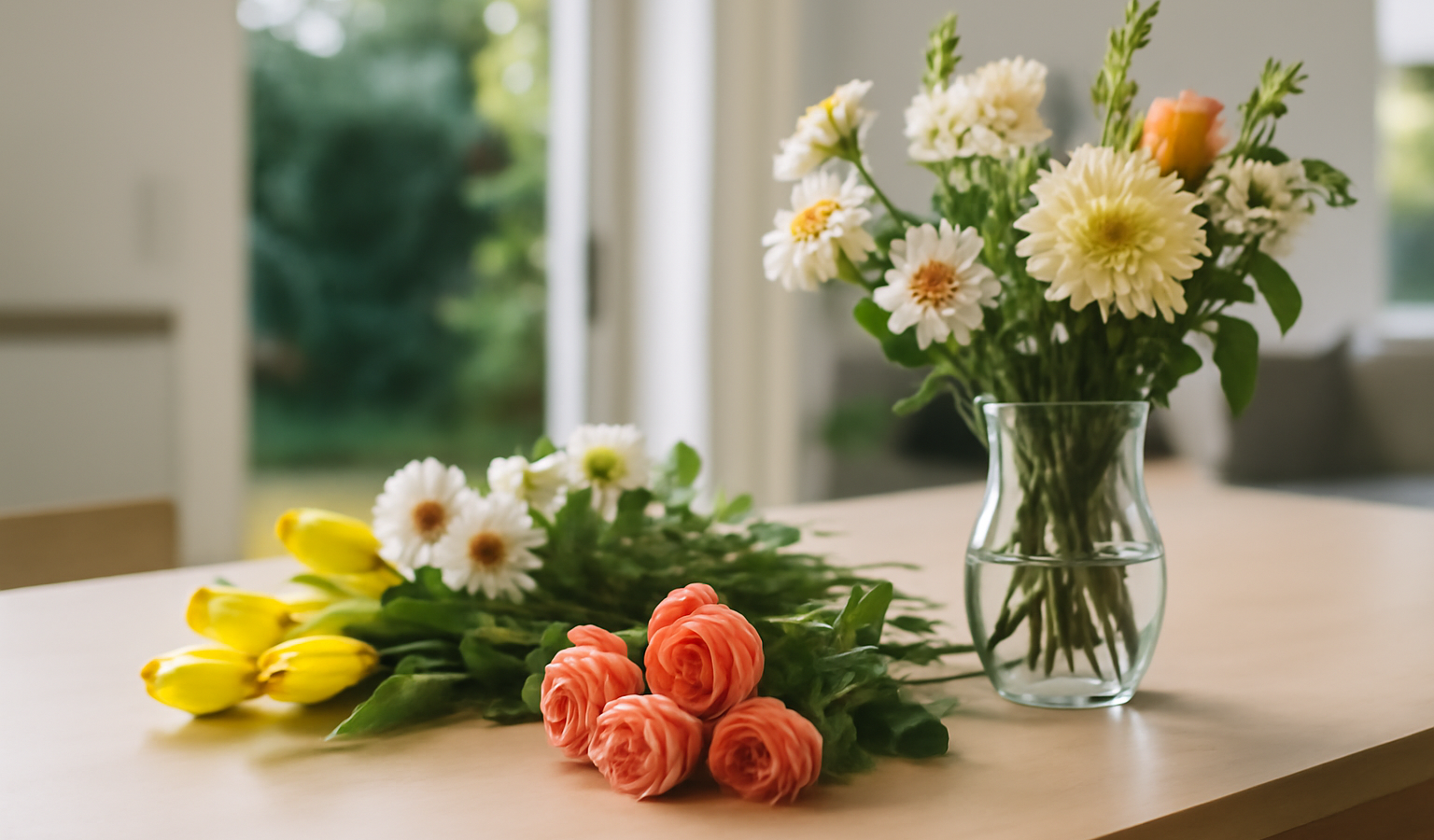
There is a real difference between flowers you grab on a whim at noon and flowers you cut the right way. Done well, a homegrown bouquet can stay fresh and upright for a week or more—sometimes twice as long as a careless bunch that flops by day three. The secret isn’t luck or expensive products. It comes down to a handful of timing and handling choices: cutting when stems are full of water, choosing the right stage of bloom for each variety, using a clean sharp blade, and giving the stems a long cool drink before they ever touch a vase. This guide walks through the whole process the way an experienced gardener actually does it, from the bucket you carry into the garden to the last water change on the kitchen counter.
Key Takeaways
- Cut in early morning or evening, when stems are full of water and cool—never in midday heat.
- Cut each flower at the right stage: roses, tulips, and peonies in bud; zinnias and dahlias nearly open.
- Use clean, sharp snips and cut at a 45-degree angle so the stem can’t sit flat on the vase bottom.
- Carry a bucket of water to the garden, plunge stems immediately, then recut underwater and condition in cool darkness for several hours.
- Strip all leaves below the waterline, use a clean vase with flower food, and change the water every 1–2 days.
Timing: Cut When the Stems Are Full of Water
The single biggest factor in vase life is when you cut. Aim for early morning, ideally right after the dew has dried but before the sun has any heat in it. Overnight, plants pull water up from their roots and refill their stems and leaves, so first thing in the morning they are turgid—plump, firm, and fully hydrated. A stem cut in that state has a reservoir to draw on while it adjusts to life in a vase. Evening, after the day’s heat has passed, is the second-best window because the plant has spent the day building sugars through photosynthesis and those sugars feed the bloom once it is cut.
Midday is the worst time, and it isn’t close. Under hot afternoon sun, flowers transpire faster than their roots can keep up, so stems go slightly limp and depleted. Cut them then and they already start behind, wilting within hours no matter what you do afterward. If you absolutely must gather flowers in the heat of the day, get them into water and out of the sun immediately, and expect a shorter life. Cool, cloudy days give you more flexibility, but the morning-and-evening rule holds in every season.
Cut at the Right Stage for Each Flower
Knowing the correct stage to cut is what separates a tidy gardener from a frustrated one. Some flowers keep opening beautifully in the vase; others barely budge once they leave the plant. Cut a flower too early and it may never open; cut it too late and it is already on its way out. The trick is to match the cut to the variety’s habit.
Flowers to Cut in Bud
Roses, tulips, peonies, irises, and most flowers that open from a tight, recognizable bud should be cut before they are fully open. Roses are best taken when the bud is showing color and just starting to loosen but the petals are still firm—the “soft as a marshmallow” squeeze test works well for peonies, which should give slightly like a marshmallow rather than feel hard as a golf ball. These flowers continue to open in the vase, so cutting them early gives you the full show indoors and protects them from the bruising and pollination that hastens the end of a fully open bloom.
Flowers to Cut Nearly or Fully Open
Zinnias, dahlias, sunflowers, and marigolds do not open much—if at all—after cutting, so wait until they are nearly or fully open before you take them. A good field test for zinnias and dahlias is the “wiggle test”: gently shake the stem a few inches below the bloom. If the flower head is floppy and bends easily, it is immature and will wilt fast; if the stem just below the head feels stiff and the bloom holds firm, it is ready. Cut these too soon and you get a short, sad stem that flops in the vase. Cut them at the right moment and they hold their shape for days.
Tools: Clean and Sharp Matters
Use sharp bypass snips, floral shears, or a clean knife—never household scissors, which crush the stem instead of slicing it. A crushed stem has fewer open channels to draw water and is more prone to rot. A clean angled cut keeps those water-conducting vessels open. Just as important as sharpness is cleanliness: bacteria are the enemy of vase life, and dirty blades smear them onto every fresh cut. Wipe your tools and dip the blades in a quick sterilizing solution—a splash of rubbing alcohol or a weak bleach-and-water mix—before you start, and again between batches if you have been cutting diseased or spent material. Clean tools, clean buckets, clean vase: it sounds fussy, but it is the cheapest insurance you can buy for a long-lasting bouquet.
The Cut: A 45-Degree Angle
Always cut stems at roughly a 45-degree angle rather than straight across. The angle does two useful things. First, it increases the surface area exposed to water, giving the stem more room to drink. Second, and just as important, an angled stem can’t sit flat against the bottom of the bucket or vase—a stem resting flush on the bottom effectively seals itself off and stops taking up water. The diagonal cut keeps the opening clear so the stem can keep drinking right to the end. Make a clean single pass; sawing back and forth shreds the vessels you are trying to protect.
Conditioning: The Step Most People Skip
Conditioning—also called hardening off or charging—is the practice of giving freshly cut stems a long, deep drink in cool water before you arrange them. This is the step that most often separates flowers that last from flowers that don’t, and it costs nothing but a little patience.
Start before you even pick up your snips: fill a clean bucket with cool water and carry it into the garden with you. The moment a stem is cut, plunge it straight into the bucket. Every minute a cut stem spends in open air is a minute it is drawing air into its vessels, and those tiny air bubbles (an air lock, or embolism) block water uptake later. Getting stems into water within seconds, not minutes, makes a visible difference.
Once you are back inside, recut each stem—and here is the refinement that helps most—recut it underwater, an inch or so above the original cut, holding the stem beneath the surface of a bowl or sink of water. Cutting underwater means no air can be drawn in at the fresh cut, so the stem stays fully primed. Then move the conditioned stems into a clean container of cool water and let them rest somewhere cool, dark, and out of drafts for several hours or, better, overnight before you arrange. During this rest the flowers drink deeply and firm up. A bloom that went into the bucket a little floppy will often come out the next morning rigid and ready.
Strip the Lower Leaves
Before stems go into their conditioning water—and again before the final arrangement—strip off every leaf that would sit below the waterline. Submerged foliage rots quickly, and rotting leaves breed the bacteria that cloud the water, clog the stems, and shorten vase life. Leave the upper foliage that shows above the water if it looks good, but clear the bottom of the stem completely. This one habit does more for water clarity than almost anything else.
Water Care: Keeping the Vase Fresh
Start with a scrupulously clean vase—wash it with hot soapy water and rinse well, because film and residue from the last bouquet carry bacteria straight into the new one. Fill it with lukewarm water for most flowers; lukewarm moves up the stem faster than cold and is gentler on tender blooms. (Spring bulbs like tulips and daffodils are the exception—they prefer cold water.) Then add flower food.
DIY Flower Food
Commercial flower food works because it combines three things: sugar to feed the blooms, an acidifier to help water move up the stem, and a small amount of biocide to keep bacteria down. You can mix a serviceable version at home. Per quart of water, stir in:
- 1 teaspoon of sugar (the food source)
- A few drops of household bleach (the bacteria fighter—don’t overdo it)
- A few drops of an acid such as lemon juice (lowers pH for better uptake)
Get the balance right and stems drink freely while the water stays clear. Skip the sugar and you starve the blooms; skip the bleach and the water turns cloudy within a day. The recipe scales—double it for a half-gallon vase.
Ongoing Maintenance
Change the water every 1–2 days—sooner if it looks cloudy—and add fresh food each time. Every few days, pull the flowers out and recut the stems by half an inch at that 45-degree angle to clear away any blocked or slimy ends and reopen the drinking channels. Keep the arrangement out of direct sun and away from heat sources like stovetops, radiators, and the tops of refrigerators, all of which speed up wilting. And keep flowers away from the fruit bowl: ripening fruit gives off ethylene gas, which ages blooms prematurely and can make petals drop overnight.
Special Cases by Flower Type
A few flowers have quirks that reward a little extra handling:
- Woody stems (lilac, hydrangea, viburnum, flowering branches): split or smash the bottom inch of the stem with snips or a hammer so the dense wood can take up more water.
- Daffodils and other narcissus: their cut stems ooze a slimy sap that is toxic to other flowers in the same vase. Soak them on their own for about 24 hours first, then add them to a mixed arrangement without recutting.
- Tulips: they keep growing and bending toward light even after cutting, so leave room for them to stretch and rotate the vase if you want them upright. They like cold water.
- Hollow stems (dahlias, amaranth, delphinium, some poppies): these can trap air. Turn the stem upside down, fill the hollow with water, plug it with a thumb or a small cotton ball, then set it in the vase to keep the column of water moving.
Where to Display Your Arrangement
Location matters as much as care. The ideal spot is cool, bright but out of direct sunlight, and free of drafts from heating vents, fans, and open windows. A sunny windowsill might seem like the natural home for flowers, but the heat and light there cook them faster than anywhere else in the house. If you want a bouquet to last for a special occasion, condition it well, keep it somewhere cool overnight, and bring it out to its display spot only when guests arrive. The same plants that brighten your beds outdoors—the kind you can plan around in your outdoor living spaces—become twice the gift when you cut and condition them properly. And when the freshest days are past, you don’t have to toss them: many garden flowers can be saved by learning how to dry flowers for a lasting arrangement.
Cutting for the vase is also a reason to keep your plants productive in the first place. Regular harvesting encourages many flowers to push out more blooms, much the way that learning how to deadhead roses keeps a rosebush flowering longer into the season. A cutting garden and a generous house are the same project.
Frequently Asked Questions
What time of day should I cut flowers from the garden?
Cut in the early morning after the dew dries but before the sun heats up, or in the evening once the day’s heat has passed. At those times the stems are full of water and cool. Avoid midday, when flowers are stressed and slightly dehydrated and will wilt quickly in the vase.
Why should I cut stems at a 45-degree angle?
An angled cut exposes more surface area for the stem to drink through, and it keeps the stem from sitting flat against the bottom of the vase, which would seal off the opening and stop water uptake. Cut straight across and the stem often suffocates against the glass.
Does homemade flower food really work?
Yes. Per quart of water, mix 1 teaspoon of sugar to feed the blooms, a few drops of bleach to control bacteria, and a few drops of lemon juice to acidify the water for better uptake. It mimics what commercial packets do. Still change the water and re-dose every 1–2 days.
Which flowers should I cut in bud versus fully open?
Cut roses, tulips, peonies, and irises in bud—they keep opening in the vase. Cut zinnias, dahlias, sunflowers, and marigolds nearly or fully open, because they barely open after cutting and will only flop if taken too early.
How do I keep cut flowers fresh longer once they’re in the vase?
Use a clean vase with flower food, strip all leaves below the waterline, change the water every 1–2 days, and recut the stems every few days. Keep the arrangement cool, out of direct sun and away from heat, and never next to a fruit bowl, since ethylene gas from ripening fruit ages blooms fast.