

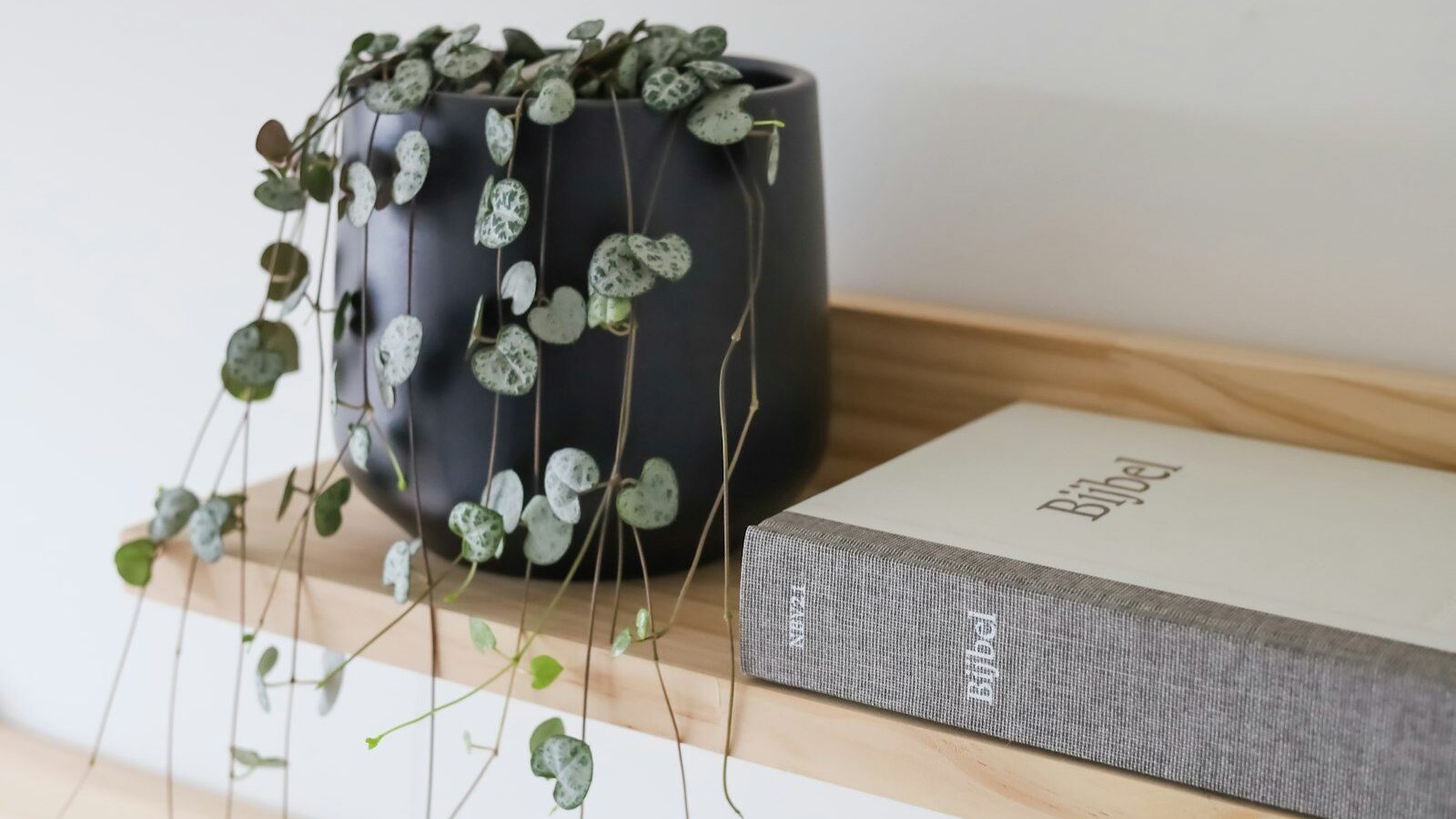
String of Hearts (Ceropegia woodii) is one of the easiest trailing succulents to grow indoors, prized for its cascading strings of heart-shaped, silver-marbled leaves that can stretch three to six feet over a shelf or hanging pot. It is forgiving of neglect and stores water in tiny tubers along its stems, which makes it more drought-tolerant than most houseplants. The two things it genuinely needs are bright light and a fast-draining mix that never stays soggy. Get those right and the rest of its care is almost hands-off.
Key Takeaways
- Light: Bright, indirect light for at least four to six hours; a few hours of gentle direct sun deepens the leaf color and tightens spacing.
- Water: Soak only when the soil is fully dry, roughly every 10 to 14 days in summer and every three to four weeks in winter.
- Soil: A gritty, fast-draining cactus or succulent mix; never let it sit in standing water.
- Propagation: Lay a cut strand on soil or root the small aerial tubers; both root in two to three weeks.
- Common problems: Leggy gaps mean too little light; mushy, yellowing stems mean overwatering.
Light Requirements
Light is the single biggest factor in how good your String of Hearts looks. In low light the vines grow long but the leaves space out widely, the marbling fades, and the plant looks sparse and stringy. In good light the leaves crowd close together, the silver veining sharpens, and stressed plants flush a deep purple-pink on the undersides and stems. Aim for a spot that gets bright, indirect light for most of the day, such as within two to three feet of an east or west window.
A few hours of direct morning sun is ideal and brings out the best color. Harsh, all-day summer sun through a south-facing window can scorch the leaves, so filter it with a sheer curtain if the foliage starts to bleach or develop crisp brown patches. If your space is dim or you are growing in winter at a northern latitude, a basic full-spectrum LED grow light set 12 inches above the plant for 10 to 12 hours a day will keep growth compact. As a rule, when the gaps between leaves stretch past an inch, the plant is telling you it wants more light.
Watering
String of Hearts is a semi-succulent and far more likely to die from too much water than too little. The safest approach is to water thoroughly, then wait until the soil is completely dry before watering again. When you do water, soak the mix until it runs from the drainage hole, then empty the saucer so the roots never sit in water. In a warm, bright home this usually works out to once every 10 to 14 days in spring and summer.
Cut back sharply in fall and winter, when growth slows and the plant uses very little moisture. Watering every three to four weeks is often plenty, and in a cool room it may need even less. Watch the leaves for a quick gut-check: plump, firm leaves mean the plant is hydrated, while slightly soft, puckered leaves signal it is thirsty and ready for a drink. If leaves turn translucent, soft, and yellow, you have overwatered, so let it dry out fully before the next round. Always use room-temperature water and a pot with a drainage hole; decorative pots without drainage are the most common cause of rot.
Soil and Potting
Drainage is everything for this plant. Use a commercial cactus and succulent mix, or make your own by combining two parts standard potting soil with one part perlite and one part coarse sand or fine pumice. The goal is a medium that holds a little moisture but dries out within a week or so. Heavy, peaty potting soil that stays wet for days will suffocate the roots and invite rot.
String of Hearts likes to be a little root-bound, so do not rush to size up. A snug pot also dries faster, which suits its watering needs. Terracotta is a great choice because it wicks moisture out of the soil, though a plastic or glazed pot works fine as long as it has a drainage hole. Repot only every two to three years, in spring, moving up just one pot size. If you are growing it as a hanging plant, remember that a larger soil volume stays wet longer, so do not overpot.
Temperature, Humidity and Feeding
Normal household conditions suit this plant well. It is happiest between 65°F and 80°F and should be kept above 50°F, as it has no frost tolerance and will be damaged by cold drafts or chilly windowsills in winter. Unlike many tropical houseplants, it does not need extra humidity and actually prefers average-to-dry indoor air, which reduces the risk of rot.
Feed lightly during the growing season. A balanced liquid fertilizer diluted to half strength, applied once a month from spring through early fall, is all it needs. A cactus-specific fertilizer that is lower in nitrogen works well and keeps growth tidy rather than soft and leggy. Skip feeding entirely in late fall and winter while the plant rests. Over-fertilizing produces weak, stretched stems and can burn the fine roots, so when in doubt, feed less.
Propagation
This is one of the most satisfying houseplants to multiply, and there are three reliable methods. The simplest is the lay-and-root method: take a strand 6 to 12 inches long, lay it on top of moist soil, and press the leaf nodes gently into contact with the surface. Keep the soil lightly moist, and within two to three weeks roots will form at the nodes. The classic water method also works: cut a strand, strip the lower leaves, and suspend the bare nodes in a glass of water until roots appear, then pot up.
Using the aerial tubers
Mature plants develop small, round, gray tubers (sometimes called bulbils or beads) along the stems. These are propagation gold. Press a tuber, still attached to its strand, onto the surface of moist soil and weigh it down lightly with a small pebble. It will root quickly while still drawing energy from the mother plant, then you can snip it free. Potting several cuttings or tubers together in one pot is the fastest way to a full, bushy display rather than a few thin trailing strings. For more trailing plant ideas, see our Plants & Flowers guides.
Pruning and Encouraging Fullness
String of Hearts naturally grows in long single strands, which can look sparse near the top of the pot over time. To create a fuller plant, trim the longest vines and lay the cuttings back on top of the soil in the same pot, where they will root and fill in the crown. Pinching the tips also encourages branching. Do any major pruning in spring or summer when the plant is actively growing and can recover quickly. Save your trimmings rather than tossing them, since every healthy strand is a future plant.
Common Problems and Pests
The most frequent complaint is leggy, sparse growth with wide gaps between leaves. This is almost always a light problem, so move the plant somewhere brighter and consider a grow light in winter. Yellowing, mushy, or shriveled-then-soft stems point to overwatering and possible root rot; unpot the plant, cut away any black or slimy roots, let it dry, and repot in fresh gritty mix. If only the lowest leaves yellow and drop occasionally, that is normal aging.
Pests are uncommon but possible. Mealybugs, which look like tiny tufts of white cotton tucked into leaf joints, are the usual culprit; dab them with a cotton swab dipped in rubbing alcohol and treat the whole plant with insecticidal soap or a diluted neem oil spray. Watch for them especially after bringing the plant home or moving it outdoors for summer. Crispy brown leaf edges usually mean too much harsh direct sun or severe underwatering. Because the same fast-draining, bright-light approach works for most succulents, the habits you build here carry over directly to plants like Haworthia succulents.
Frequently Asked Questions
Why is my String of Hearts leggy with big gaps between the leaves?
This is the classic sign of too little light. The vines stretch toward the light source and space their leaves far apart. Move the plant to a brighter, indirect spot or add a grow light, and prune the leggy strands back to encourage tighter new growth.
How often should I water String of Hearts?
Water only when the soil is completely dry, which is roughly every 10 to 14 days in summer and every three to four weeks in winter. Plump leaves mean it is hydrated; soft, puckered leaves mean it is thirsty. When in doubt, wait, because it tolerates drought far better than soggy roots.
Is String of Hearts safe for cats and dogs?
Yes. Ceropegia woodii is generally considered non-toxic to cats and dogs, which makes it a good choice for pet households. That said, no plant material should be eaten in quantity, so it is still best kept out of easy reach.
What are the little round balls growing on the stems?
Those are aerial tubers, also called bulbils or beads. They are a normal sign of a healthy, mature plant and are excellent for propagation. Press one onto moist soil while it is still attached to the strand and it will root in a couple of weeks.
Why are the leaves turning yellow and mushy?
Soft, translucent, yellow leaves and stems are a sign of overwatering and the early stage of root rot. Let the soil dry out completely, check that the pot has drainage, and if the roots are blackened, trim them away and repot in fresh, gritty succulent mix.
String of Hearts rewards a hands-off owner: give it bright light, a gritty mix, and water only when bone-dry, and it will trail for years with almost no fuss. Once you have it thriving, the easy supply of strands and tubers means you will never be short of plants to share or to fill out your collection.