

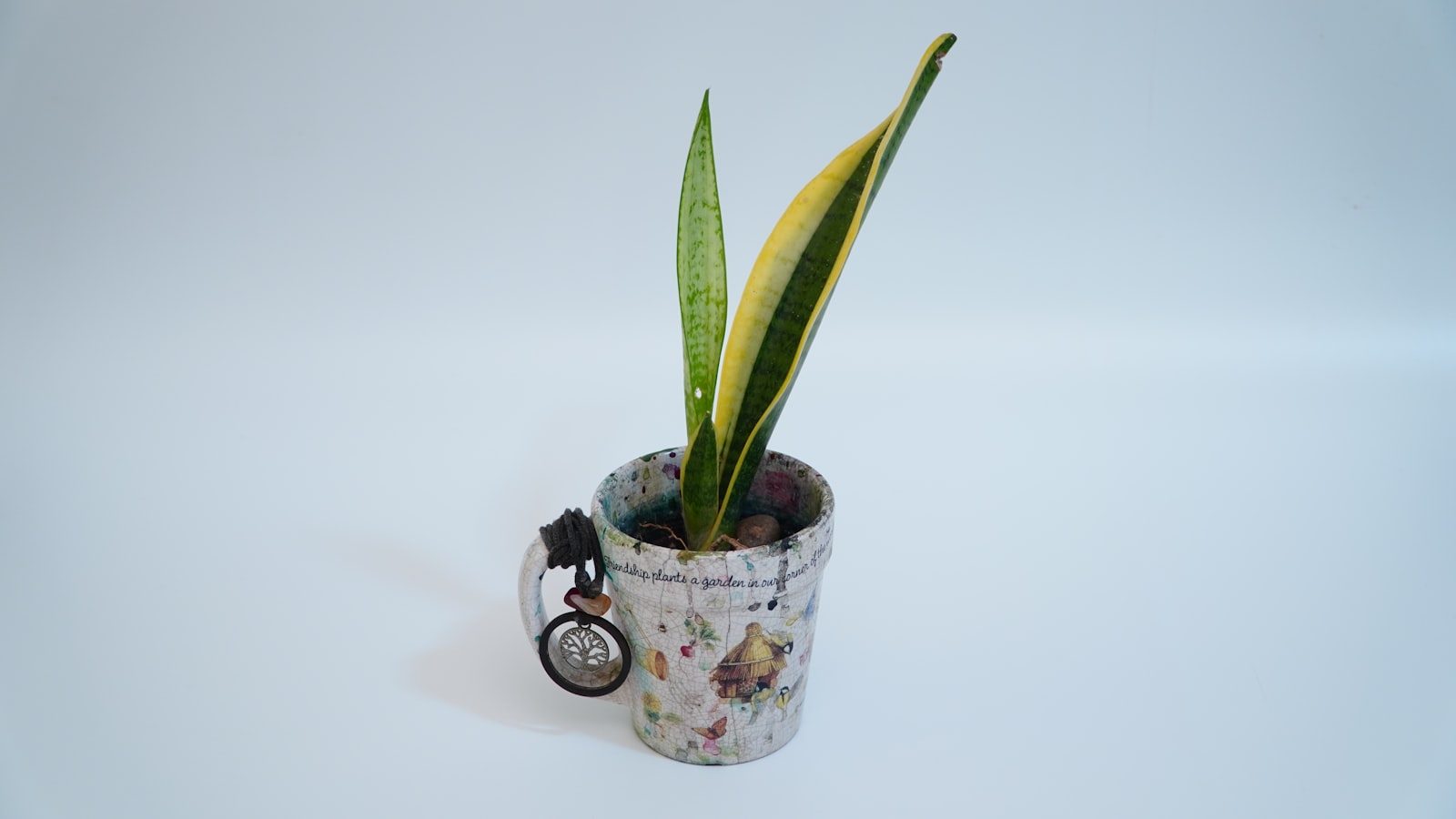
If you have killed houseplants before, the snake plant — Sansevieria, now botanically reclassified as Dracaena trifasciata — is the one that breaks the streak. Its stiff, sword-shaped leaves store water, so it shrugs off neglect, low light, and irregular watering that would finish off fussier plants. The single thing that actually kills a snake plant is too much water, and once you understand that, it becomes nearly indestructible. This guide covers exactly how much light it wants, how rarely to water it, the gritty soil it prefers, and how to fix the few problems that do crop up.
Key Takeaways
- Tolerates everything from low light to bright indirect; grows fastest and keeps its variegation in bright, indirect light.
- Water sparingly — only when the soil is completely dry, roughly every 2 to 4 weeks in summer and every 6 to 8 weeks in winter.
- Use a fast-draining, gritty mix like cactus and succulent soil with extra perlite or sand.
- Thrives at normal household humidity and 65 to 85 F; protect it from temperatures below 50 F.
- Overwatering causes mushy, falling leaves and root rot — the number one killer of snake plants.
- Toxic to cats and dogs; keep it away from pets that chew on leaves.
Light: tolerant of almost anything
The snake plant’s reputation for surviving dark corners is earned — it will hold on in low light for a long time. But tolerating low light and thriving in it are different things. For steady growth, vivid leaf markings, and the best color on variegated varieties like the yellow-edged Laurentii, give it bright, indirect light from a few feet inside an east or north window, or set back from a brighter south or west window.
In genuinely low light the plant simply grows slowly and may lose some of its yellow margins, but it will not decline the way most houseplants do. It also handles a few hours of direct sun better than typical foliage plants, though intense, prolonged afternoon sun through glass can scorch the leaves, so ease it into any sunny spot gradually. Rotate the pot every month or so for even, upright growth, since leaves lean toward the light over time.
Watering: when in doubt, wait
This is the make-or-break part of snake plant care. The thick leaves and rhizomes are water-storage organs, so the plant is built to ride out drought and rots quickly if it sits wet. Water only when the soil has dried out completely from top to bottom — not just the surface. Push a finger or a wooden chopstick all the way to the bottom of the pot; if there is any dampness, wait. In practice that means watering roughly every 2 to 4 weeks in spring and summer and every 6 to 8 weeks in the dim, cool months of winter.
When you do water, soak the soil until it drains from the bottom, then let the pot drain fully and tip out the saucer. Never let it stand in water. Water at the soil line rather than over the crown, where pooled water can rot the base of the leaves. If you are ever unsure whether it needs water, the safe answer is almost always no — an underwatered snake plant recovers in a day, an overwatered one may not recover at all. Reduce watering sharply in winter when the plant is barely growing.
Soil and pots: grit and drainage
Snake plants want a mix that drains almost as fast as you pour. A bagged cactus and succulent soil is the easiest starting point; improve it further by stirring in extra perlite, pumice, or coarse sand at about one part grit to three parts mix. Avoid heavy, moisture-retentive potting soils and anything with lots of water-holding peat, which keep the roots wet far too long.
Use a pot with drainage holes — this is not optional for a plant this sensitive to wet feet. Terracotta is ideal because it breathes and wicks moisture from the soil, giving you an extra safety margin against overwatering. Snake plants actually grow well a little root-bound, so resist the urge to overpot; a snug container that dries quickly is healthier than a big one that stays damp. The thick rhizomes can crack thin plastic pots as the plant fills out, another reason terracotta or sturdy ceramic is a good match.
Temperature, humidity, and feeding
Average indoor conditions suit a snake plant perfectly. It prefers 65 to 85 F and is comfortable in the dry air most homes have, so you never need to fuss with humidifiers or misting. The one limit to respect is cold: keep it above 50 F and away from frosty windows and unheated rooms, as chilling damages the leaves and can cause soft, scarred patches.
Feeding is minimal. During spring and summer, a balanced houseplant fertilizer diluted to half strength once a month is plenty, and many growers feed only two or three times a year with no ill effect. Do not fertilize in fall and winter while growth is stalled. Overfeeding does more harm than skipping it, producing weak, floppy growth and salt buildup in the soil.
Repotting and pruning
When to repot
Because they like being snug, snake plants only need repotting every 3 to 5 years, or when the rhizomes are visibly crowding the pot, cracking it, or pushing the plant upward out of the soil. Do it in spring or summer. Move up just one pot size, use fresh gritty mix, and wait a few days before watering so any disturbed roots can callous over. This is also the perfect moment to divide an overcrowded clump into separate plants.
Pruning
Snake plants need little pruning. Use clean, sharp shears to cut any damaged, scarred, or mushy leaves all the way down at the soil line — they will not heal, and removing them keeps the plant looking sharp and redirects energy to healthy growth. To limit height, you can remove the tallest leaves at the base, though cutting the tip off a leaf leaves a blunt, permanently flat-topped blade.
Propagation: three easy methods
Snake plants are simple to multiply, and the easiest, most reliable method is division. At repotting time, slide the plant out, find where the rhizomes connect separate leaf clusters, and cut or pull them apart so each section has roots and at least one leaf. Pot each division in its own container of gritty mix. These plants establish fast and look full immediately.
You can also propagate from leaf cuttings. Cut a healthy leaf into 3-to-4-inch sections, keeping track of which end faced down (only the original bottom end roots). Let the cut ends dry and callous for a day or two, then stand them bottom-down in water or moist gritty soil. Roots and eventually pups form over 1 to 2 months, but be aware that variegated varieties propagated this way usually revert to plain green — divide them instead to keep the variegation. For more ways to expand a collection, browse our plants and flowers guides.
Common problems and fixes
Mushy, falling, or yellowing leaves
Soft, squishy leaves that yellow at the base and topple over are the classic sign of overwatering and the root rot that follows. Stop watering immediately, unpot the plant, and inspect the roots and rhizomes. Cut away anything soft, brown, or foul-smelling with sterilized shears, let the healthy parts dry briefly, and repot into fresh dry gritty mix. Then water far less often going forward.
Wrinkled or curling leaves
Leaves that look thin, wrinkled, or curled inward signal the rare case of underwatering — the plant has drawn down its stored reserves. Give it a thorough soak and it will plump back up within a day or two. This is far less dangerous than the opposite problem.
Brown tips and pests
Brown, crispy leaf tips usually come from inconsistent watering or sensitivity to fluoride and salts in tap water; try filtered or rainwater and flush the soil occasionally. Snake plants resist pests well, but spider mites and mealybugs can appear in dry conditions. Wipe leaves down and treat any infestation with insecticidal soap or diluted neem oil every 7 days until it clears. Wiping the broad leaves with a damp cloth now and then also keeps dust from blocking light. For more low-maintenance options for tricky indoor spots, see our urban and small-space gardening tips.
Is the snake plant toxic to pets?
Yes. Snake plants contain saponins that are toxic to cats and dogs. If a pet chews the leaves, expect nausea, vomiting, diarrhea, and drooling. It is rarely serious in small amounts but unpleasant, so place the plant where curious animals cannot reach it, and call your vet if your pet ingests a significant amount. The same saponins make it mildly toxic to people, so keep it away from small children too.
Frequently Asked Questions
How often should I water a snake plant?
Only when the soil is completely dry to the bottom of the pot — about every 2 to 4 weeks in spring and summer and every 6 to 8 weeks in winter. When unsure, wait, because these plants tolerate drought far better than soggy soil.
Can a snake plant survive in low light?
Yes, it tolerates low light better than almost any houseplant, though it grows slowly there. For faster growth and the brightest leaf markings, give it bright, indirect light. Variegated types especially keep their color best in good light.
Why are my snake plant’s leaves falling over?
Drooping, soft leaves almost always mean overwatering and root rot. Check the roots, trim away any mushy ones, repot in fresh gritty soil, and water much less often. Floppy growth can also come from very low light or overfertilizing.
Do snake plants need to be repotted often?
No. They like being root-bound and only need repotting every 3 to 5 years, or when the rhizomes crowd or crack the pot. Use a snug container with drainage and fast-draining soil, and repot in spring or summer.
Are snake plants safe for cats and dogs?
No. They contain saponins that cause vomiting, drooling, and diarrhea if pets chew the leaves. It’s rarely life-threatening but uncomfortable. Keep the plant out of reach and contact your vet if a pet ingests a large amount.
The snake plant rewards a hands-off approach better than almost any houseplant. Give it light when you can, soil that drains fast, and water only when it is bone dry — then mostly leave it alone. Do that and this architectural, air-cleaning plant will stand tall for years with barely any attention.