

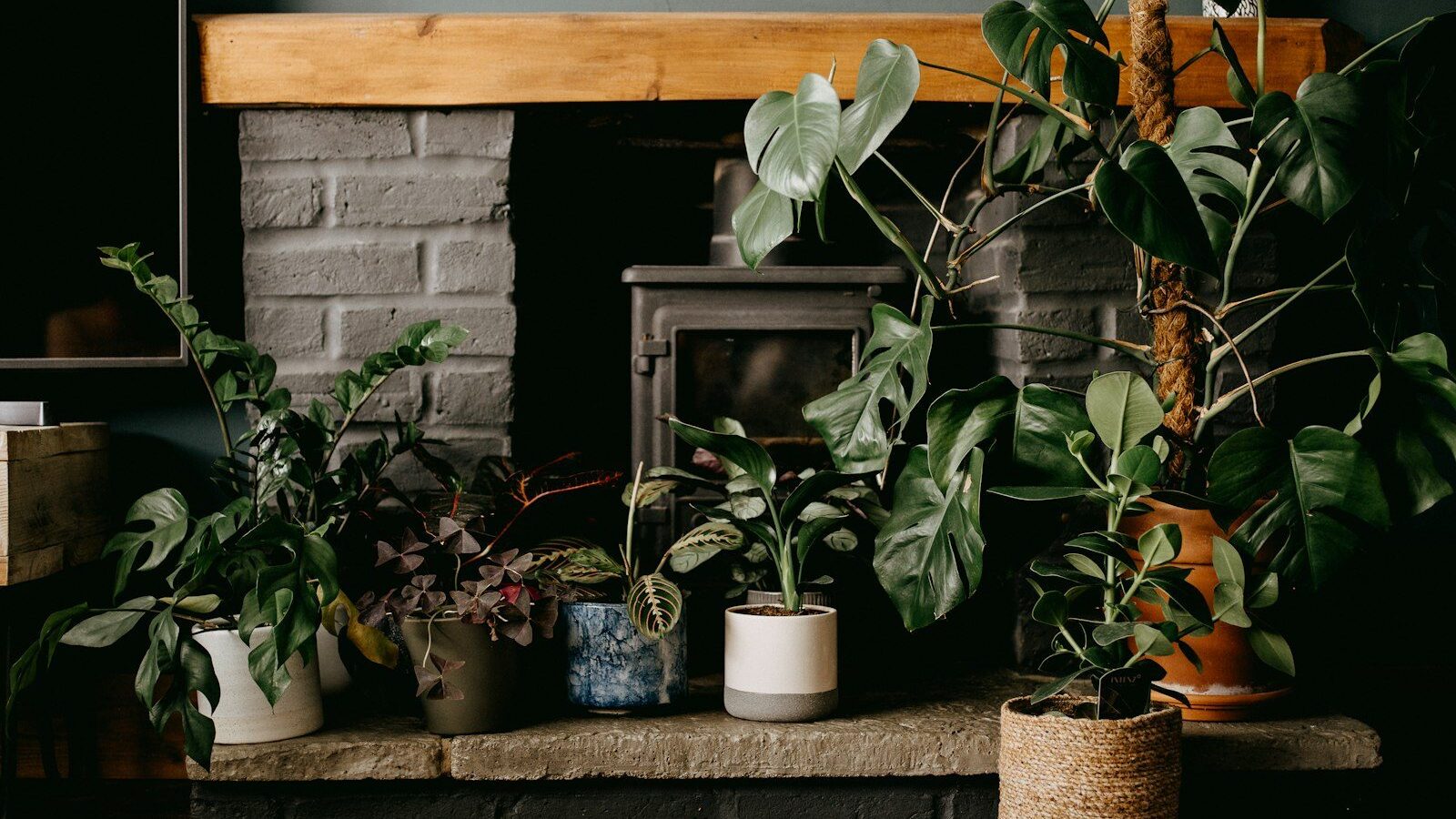
Calatheas crisp at the edges, ferns brown off, and that prized alocasia sulks — almost always because the air is too dry. Most tropical houseplants want 50–60% relative humidity, but a heated or air-conditioned home often sits at 20–30%, especially in winter. Misting helps for about ten minutes; a pebble tray barely moves the needle. The reliable fix is a humidifier sized to your plant area. The trick is matching tank size and output to the space, avoiding the white mineral dust that ultrasonic units can leave on leaves, and finding one quiet enough to live with. These are the units that actually keep a plant shelf in the comfortable zone.
As an Amazon Associate we earn from qualifying purchases. This page contains affiliate links at no extra cost to you.
Key Takeaways
- Target 50–60% RH for most tropicals (calathea, fern, alocasia, anthurium). Buy a cheap hygrometer to actually measure it.
- Tank size = run time. A 1L desk unit runs a few hours; a 4–6L tank runs all day or overnight for a whole plant corner.
- Use distilled or filtered water in ultrasonic units to avoid white mineral dust settling on leaves and furniture.
- Smart/Wi-Fi models with a built-in humidistat hold a set humidity automatically instead of running dry or over-misting.
- Keep the mist near, not on, the plants — aim it across the canopy, and clean the tank weekly to prevent mold.
Comparison: Best Plant Humidifiers at a Glance
| Product | Best For | Key Spec |
|---|---|---|
| Levoit Classic 300S | Best overall, smart control | ~6L tank, Wi-Fi, humidistat |
| LEVOIT LV600S Hybrid | Large plant rooms | ~6L, warm/cool mist, app |
| VIVOSUN AeroStream H05 | App automation | Wi-Fi, scheduling, quiet |
| Honeywell HUL430 Designer | Low-maintenance evaporative | Cool mist, wicking filter |
| Homvana H103 | Desks & small shelves | Compact, low noise |
| AquaOasis Cool Mist | Budget bedrooms | 2.2L, 360° nozzle |
| Vornado Evap40 | Large rooms, no white dust | Evaporative, 4-speed fan |
Levoit Classic 300S
The Classic 300S is the safe pick for most plant collections. It’s an ultrasonic unit with a roughly 6-liter tank, app and voice control, and — crucially — a built-in humidistat so you can set a target like 55% and let it hold there instead of running until the tank empties. The top-fill design makes refilling painless, and it’s quiet enough for a bedroom plant shelf.
As with any ultrasonic, use distilled or filtered water unless you want a fine white mineral film on nearby leaves and surfaces. Do that and it’s about as set-and-forget as plant humidity gets, running a full day or overnight on one fill. For a single room of tropicals, it’s the one I’d recommend first.
Pros
- Built-in humidistat holds a set RH
- Large tank for all-day run time
- App and voice control, easy top-fill
Cons
- Needs distilled water to avoid white dust
- Tank requires weekly cleaning
LEVOIT LV600S Hybrid
When you’ve got a whole room of plants, step up to the LV600S. It carries a large tank (around 6 liters) and offers both cool and warm mist, with app scheduling and a humidity sensor. The warm-mist option puts out more moisture and can help in very cold, dry rooms; cool mist is the everyday default for plants.
It covers a bigger footprint than the Classic 300S, making it the better choice for a dedicated plant room or a corner packed with thirsty tropicals. Same caveat applies: distilled water keeps the mineral dust down. It’s a bit larger on the floor, but the extra capacity and warm-mist flexibility earn the space.
Pros
- Large tank covers a full plant room
- Warm and cool mist options
- App scheduling and humidity sensor
Cons
- Bigger footprint
- Still needs distilled water
VIVOSUN AeroStream H05
VIVOSUN built its name on grow gear, so it’s no surprise the AeroStream H05 is aimed squarely at plant people. It’s a quiet, steady ultrasonic unit with Wi-Fi, so you can monitor and adjust humidity from your phone and set schedules around your plants’ day. For anyone who already runs a grow tent or a serious indoor setup, it slots right into the routine.
The app control is genuinely useful for dialing in a target and walking away. Like the Levoits it’s ultrasonic, so distilled water is the move to keep leaves clean. If you want the most “automate it and forget it” experience, this is the one to look at.
Pros
- Wi-Fi monitoring and scheduling
- Quiet, steady output
- Plant-focused design
Cons
- App setup adds a step
- Ultrasonic — use distilled water
Honeywell HUL430 Designer Series
If white mineral dust drives you up the wall, an evaporative unit like the Honeywell HUL430 sidesteps the problem entirely. Instead of vibrating water into ultrasonic mist, a fan pulls air through a wet wicking filter, so it never throws minerals onto your leaves. It’s a compact cool-mist unit that suits a desk or a small plant grouping.
The trade-off with evaporative designs is the wicking filter, which needs periodic replacement, and a slightly audible fan. But you can use plain tap water without coating your monstera in dust, and it self-regulates somewhat since it humidifies faster in drier air. A tidy choice for smaller spaces.
Pros
- No white mineral dust
- Tap water is fine
- Compact, clean design
Cons
- Wicking filter needs replacing
- Audible fan; smaller coverage
Homvana H103
For a single fussy plant on a desk or a small bedside shelf, the Homvana H103 is the right scale. It’s a compact, low-noise ultrasonic unit that won’t dominate the surface or hum loudly through the night. Sized for a cozy space, it bumps the local humidity around one or two plants without trying to humidify a whole room it can’t reach.
Because the tank is small, plan on refilling more often — it’s not an all-day-for-a-room machine. But for a calathea on your desk or a propagation station, it’s exactly enough, and the small footprint and quiet operation are what you want up close. Distilled water still keeps things cleanest.
Pros
- Compact for desks and small shelves
- Quiet operation
- Affordable
Cons
- Small tank needs frequent refills
- Not for whole-room coverage
AquaOasis Cool Mist Humidifier
The AquaOasis is the popular budget all-rounder, with a roughly 2.2-liter tank and a 360-degree nozzle that lets you aim mist in any direction. It’s quiet, simple — a dial, not an app — and well suited to a bedroom that doubles as a plant spot. No humidistat, so you set the output level and let it run.
It won’t hold a precise humidity target the way the smart Levoits do, and the mid-size tank means refills every several hours at higher output. But it’s inexpensive, dependable, and gets a small-to-mid plant grouping into the comfortable range without fuss. A great first humidifier.
Pros
- Affordable and reliable
- 360° adjustable nozzle
- Quiet for bedrooms
Cons
- No humidistat for auto control
- Mid-size tank limits run time
Vornado Evap40
For a large room where you absolutely don’t want mineral dust, the Vornado Evap40 is the workhorse. It’s an evaporative humidifier with a multi-speed fan and Vornado’s signature airflow, moving humidified air across a big space. Because it evaporates rather than ultrasonically misting, there’s no white residue on your plants or furniture no matter what water you use.
It’s larger and the fan is more noticeable than a quiet ultrasonic, and you’ll replace the wicking filters periodically. But for whole-room coverage of a big plant collection — and for anyone tired of dusting mineral film off leaves — it’s the most capable dust-free option here. Refill the wide tray and let the fan do the work.
Pros
- No mineral dust at all
- Strong whole-room coverage
- Multi-speed fan, tap water OK
Cons
- Fan noise more noticeable
- Wicking filters need replacing
How to Choose a Plant Humidifier
Size the tank to the space and run time you want. A 1–2L unit suits a desk or one plant and needs frequent refills. A 4–6L tank runs all day or overnight and covers a plant corner or small room. If you’re humidifying a dedicated plant room, get the biggest tank you’ll tolerate refilling.
Ultrasonic vs. evaporative. Ultrasonic units are quiet and put out visible mist, but they spray dissolved minerals — use distilled water or accept white dust. Evaporative units use a fan and wicking filter, make no dust with any water, but are louder and need filter changes. Choose by which annoyance you’d rather live with.
Get a humidistat — or a separate hygrometer. A built-in humidistat (on the smart Levoits and VIVOSUN) holds a target like 55% automatically. Without one, buy a cheap hygrometer so you’re not guessing. Over-humidifying invites mold and fungal issues just as surely as dry air browns leaves.
Group your plants. A humidifier works far better when thirsty tropicals are clustered together rather than scattered around a dry room — the plants share the locally raised humidity and transpire moisture to each other, so a single unit covers them all. A plant shelf or grouped corner is easier and cheaper to humidify than a plant in every window.
Place and clean it right. Aim the mist across the canopy, not directly onto leaves, and keep the unit a foot or two from the plants. Empty and wipe the tank weekly — standing water grows mold and bacteria fast, and a neglected tank will blow that straight at your collection. Descale with a vinegar solution every couple of weeks if you’re using anything but distilled water. Pairing a humidifier with good light makes the biggest difference for fussy tropicals; see our guide to grow light timers to automate the lighting side, and the Tools & Gear hub for more indoor-growing kit.
Frequently Asked Questions
What humidity do houseplants need?
Most tropical houseplants prefer 50–60% relative humidity. Calatheas, ferns, alocasias and anthuriums like the higher end; succulents and cacti are fine in much drier air. A cheap hygrometer tells you where you actually stand.
Why is there white dust around my humidifier?
That’s dissolved minerals from tap water, sprayed out by ultrasonic units and settling on leaves and surfaces. Switch to distilled or filtered water, or use an evaporative humidifier, which never produces mineral dust.
Is a humidifier better than misting?
Yes. Misting raises humidity for only a few minutes and can encourage leaf fungal spots if water sits. A humidifier maintains steady ambient humidity around the clock, which is what tropicals actually need.
Where should I place the humidifier?
A foot or two from your plants, with the mist aimed across the canopy rather than directly onto leaves. Keep it off bare wood floors that water might damage, and don’t crowd it so tightly that mist condenses and pools.
How often should I clean it?
Empty and wipe the tank at least weekly, and descale with a vinegar solution every couple of weeks. Standing water breeds mold and bacteria, which the humidifier would otherwise blow into the air around your plants.