

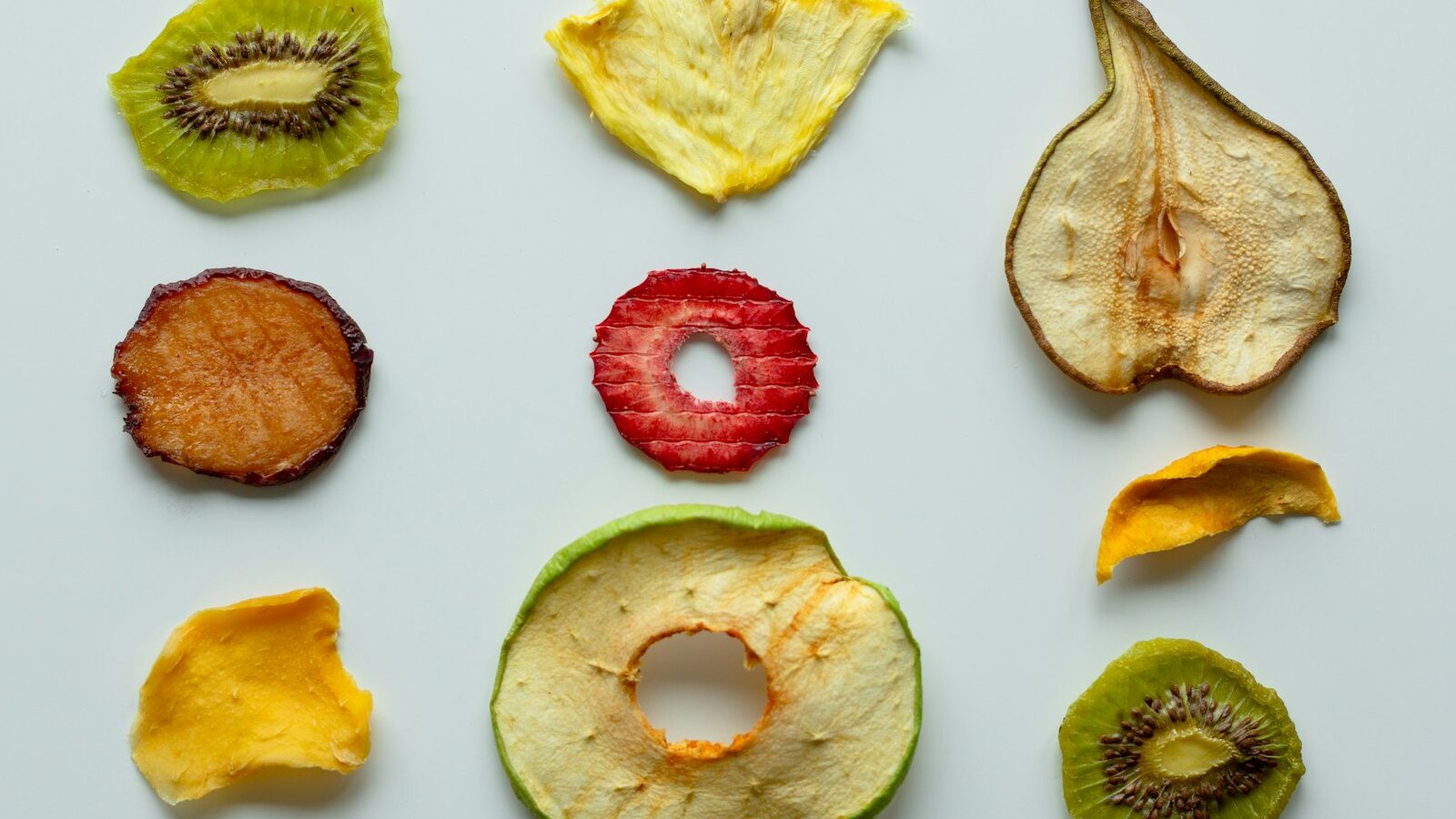
A food dehydrator is the quiet workhorse of a productive garden kitchen. When the tomatoes come in faster than you can eat them, when the herb bed bolts, when an apple tree drops more fruit than the counter can hold, a dehydrator turns the glut into jerky, fruit leather, dried herbs, and shelf-stable snacks that last months. But the category splits hard down the middle: stackable units with a fan in the base or lid are cheap, compact, and great for casual batches, while horizontal shelf-tray units push air across every tray evenly and handle big, serious loads without rotation. This guide walks through seven of the best dehydrators for 2026 — Cosori, Excalibur, Nesco, and Magic Mill among them — and explains exactly which design and temperature range fits the way you cook and preserve.
As an Amazon Associate we earn from qualifying purchases. This page contains affiliate links at no extra cost to you.
Key Takeaways
- Horizontal shelf-tray dehydrators (Excalibur, Magic Mill) dry evenly without rotating trays and excel at jerky and big batches; stackable units (Nesco) are cheaper and more compact.
- Look for a temperature range of roughly 95°F to 165°F: low for herbs and live-culture foods, mid for fruit and vegetables, high (155–165°F) for safe jerky.
- A digital thermostat and timer beat a single on/off dial — set it and walk away instead of guessing.
- Stainless-steel trays are easier to clean and more durable than plastic, and they avoid plastic-odor concerns at high temperatures.
- Match capacity to your harvest: 5–6 trays suit a household, while 9–10 tray units are for serious preservers processing bushels at a time.
| Model | Best For | Design & Temp Range |
|---|---|---|
| Cosori Premium (CP267) | Best overall household unit | Stackable, 6 SS trays, 95–165°F |
| Excalibur 3926TB (9-Tray) | Best for serious volume | Horizontal shelf, 9 trays, 105–165°F |
| Nesco Gardenmaster FD-1040 | Best stackable expandable | Stackable, expands to 30 trays, 95–160°F |
| Magic Mill MFD-7100 | Best mid-range shelf-tray | Horizontal shelf, 7 SS trays, 95–158°F |
| Cosori Original (CP267-FD) | Best value digital unit | Stackable, 5 trays, 95–165°F |
| Excalibur 3548TCDB (Compact) | Best compact shelf-tray | Horizontal shelf, 5 trays, 105–165°F |
| Nesco Snackmaster FD-75A | Best budget starter | Stackable, 5 trays, top fan, 90–160°F |
1. Cosori Premium (CP267) — Best Overall
The Cosori Premium is the unit we reach for first when someone wants one dehydrator to do everything well. It is technically a stackable design but built like a small appliance: six stainless-steel trays slide into a boxy housing with a rear-mounted fan and a clear front window so you can watch progress without opening it. The digital panel runs from 95°F to 165°F in one-degree steps with a 48-hour timer, which covers herbs at the bottom of the range, fruit and vegetables in the middle, and safe jerky at the top.
What sets it apart from cheaper stackables is even airflow — the rear fan pushes air across the trays rather than straight up through a hole, so you rarely need to rotate trays mid-cycle. Stainless trays clean up easily and skip the plastic-odor worries of budget units. It runs quietly for the class, and the front-loading trays make checking a batch far less awkward than lifting a stack of hot rings. For most gardeners drying a summer’s worth of produce, it’s the best balance of capacity, evenness, and price.
Pros
- Even rear-fan airflow — little tray rotation needed
- Stainless-steel trays and a viewing window
- Precise 95–165°F digital control with 48-hour timer
- Relatively quiet and easy front-loading access
Cons
- Fixed six-tray capacity — not expandable
- Boxy footprint takes real counter space
- Pricier than basic stackable units
2. Excalibur 3926TB (9-Tray) — Best for Serious Volume
The Excalibur 3926TB is the classic horizontal shelf-tray dehydrator and the one preservers buy when capacity is the priority. Nine trays give roughly 15 square feet of drying space — enough to handle bushels of tomatoes, trays of jerky, or sheets of fruit leather in a single run. The defining feature is its Parallexx horizontal airflow: a rear-wall fan and heating element blow air evenly across every tray at once, so you get consistent results top to bottom without the tray-shuffling that plagues stackable designs.
The temperature range runs from 105°F to 165°F via an adjustable thermostat, with the high end comfortably in safe-jerky territory. The trays pull out individually, and you can remove several to make room for tall items or whole sheets. This particular model uses a dial thermostat plus a 26-hour timer rather than a fancy digital display, which some find refreshingly simple. The trade-off is size: it’s a large black box that needs dedicated counter or shelf space, and the plastic trays, while durable, take a bit more care to clean than stainless.
Pros
- Huge ~15 sq ft capacity across nine trays
- Horizontal airflow dries evenly with no rotation
- Remove trays to fit tall items or full sheets
- Proven, durable workhorse for heavy preserving
Cons
- Large footprint demands dedicated space
- Dial thermostat is less precise than digital
- Plastic trays need more cleaning effort; premium price
3. Nesco Gardenmaster FD-1040 — Best Expandable Stackable
The Nesco Gardenmaster is the answer for someone who wants serious capacity but not the bulk and price of a horizontal Excalibur. It is a stackable round unit with a powerful 1000-watt top-mounted fan and heater, and its trick is expandability: it ships with several trays but accepts add-ons up to about 30 trays total, growing with your harvest. The “Converga-Flow” design forces heated air down the outside and across each tray, which dries more evenly than the typical cheap stackable that just blows air straight up the center.
An adjustable thermostat spans roughly 95°F to 160°F, covering herbs through jerky, and the extra wattage means it powers through big loads faster than weaker stackables. The round footprint is more compact than a shelf-tray box, and disassembling it for storage is easy. The compromises are inherent to the stack-and-vertical-airflow format: with a tall stack you will still want to rotate trays occasionally for perfectly uniform results, and the plastic trays carry the usual cleaning and odor caveats. For preservers who like the stackable form but need real throughput, it’s the standout.
Pros
- Expandable up to ~30 trays for big harvests
- Strong 1000W fan powers through large loads
- Converga-Flow airflow dries more evenly than basic stackables
- Compact, easy-to-store round footprint
Cons
- Tall stacks may still need occasional rotation
- Plastic trays — usual cleaning and odor caveats
- Add-on trays are an extra cost
4. Magic Mill MFD-7100 — Best Mid-Range Shelf-Tray
The Magic Mill MFD-7100 brings horizontal shelf-tray performance to a friendlier price than the big Excaliburs. It packs seven stainless-steel trays into a stainless housing with a rear fan, a digital thermostat running 95°F to 158°F, and a timer up to about 19.5 hours. The horizontal airflow means even drying across all seven trays without the constant rotation a stackable demands, and the stainless trays are dishwasher-friendly and avoid plastic-odor concerns.
It usually ships with useful extras — a fine-mesh screen for herbs and small items and a solid sheet for fruit leather — which saves you buying them separately. The digital controls make it genuinely set-and-forget: dial in a temperature and time and walk away. The top of its range tops out a touch below the 160–165°F some jerky recipes call for, so for poultry jerky you’ll want to pre-heat the meat to a safe temperature first as USDA guidance recommends. Within its capacity, though, it’s one of the best value-per-dollar shelf-tray units available.
Pros
- Seven stainless trays with even horizontal airflow
- Digital thermostat and timer — true set-and-forget
- Includes mesh screen and fruit-leather sheet
- Stainless build is durable and dishwasher-friendly
Cons
- 158°F max is slightly low for some jerky recipes
- Timer maxes out around 19.5 hours
- Fan is audible on longer runs
5. Cosori Original (CP267-FD) — Best Value Digital Unit
The five-tray Cosori Original is the leaner, cheaper sibling of our top pick, and it’s the sweet spot for a typical household that doesn’t need six or seven trays. It keeps the things that matter — a rear fan for even airflow, BPA-free trays, a digital panel with a 95°F to 165°F range, and a timer — in a slightly smaller, more affordable package. The high end reaches safe-jerky temperatures, and the low end handles delicate herbs and even yogurt-style fermenting.
For drying herbs from the garden, making fruit leather for kids, or putting up a moderate tomato harvest, five trays is plenty, and the smaller footprint is easier to store between seasons. You give up the stainless trays and viewing window of the Premium, and the capacity caps lower, but the core drying performance is nearly identical. If you want digital control and reliable even drying without paying for the flagship, this is the value play. Pair it with a plan for the harvest — our guide to storing and preserving garden produce covers what to dry first.
Pros
- Excellent price for a digital, even-drying unit
- Full 95–165°F range covers herbs to jerky
- Compact five-tray footprint stores easily
- Rear-fan airflow needs little tray rotation
Cons
- BPA-free plastic trays, not stainless
- No viewing window
- Five trays may be tight for big harvests
6. Excalibur 3548TCDB (Compact) — Best Compact Shelf-Tray
Not everyone has the counter space for a nine-tray monster, and the five-tray Excalibur 3548TCDB delivers the same horizontal-airflow drying quality in a much smaller box. It keeps the Parallexx system — a rear fan and heater pushing air evenly across every tray — so you still get the even, no-rotation drying that makes shelf-tray units worth the premium, just at a household scale of roughly 8 square feet of drying area.
This version pairs a digital thermostat and timer with the 105°F to 165°F range, so it’s both precise and capable of safe jerky at the top end. As with its bigger sibling, you can pull trays to make room for tall items. It costs more than a comparable stackable, which is the honest trade-off: you’re paying for genuinely even airflow and removable trays in a compact body. For a serious cook who wants Excalibur drying quality but doesn’t process bushels at a time, it’s the right size.
Pros
- Excalibur horizontal airflow in a compact size
- Digital thermostat and timer with 105–165°F range
- Removable trays fit tall items and sheets
- Even drying with no tray rotation
Cons
- Pricey for a five-tray unit
- Plastic trays rather than stainless
- Smaller capacity than full-size Excaliburs
7. Nesco Snackmaster FD-75A — Best Budget Starter
The Nesco Snackmaster is the dehydrator that has introduced more people to home drying than any other, and it remains the smart budget starter. It’s a round stackable with a 600-watt top-mounted fan and heater, five trays out of the box (expandable to about 12), and an adjustable thermostat spanning roughly 90°F to 160°F. The top-fan design pushes air down and across the stack, which dries more evenly than the cheapest bottom-fan units that simply blow heat up the center hole.
For the price, it does the essentials well: herbs, fruit slices, vegetable chips, and jerky all come out fine, and the 160°F top end clears the safe-jerky threshold. It typically includes a fruit-roll sheet and a fine screen for small items. The honest limitations are the basic dial control instead of a digital readout, the plastic trays, and the need to rotate trays now and then for fully uniform results on a tall stack. As a first dehydrator or an inexpensive way to find out how much you’ll actually use one, it’s the easy recommendation. For ideas on what to put up, see our Tools & Gear hub.
Pros
- Very affordable entry point
- Top-fan airflow beats cheap bottom-fan units
- Expandable to ~12 trays as you grow
- Includes fruit-roll sheet and mesh screen
Cons
- Basic dial thermostat, no digital timer
- Tall stacks need periodic rotation
- Plastic trays with the usual cleaning caveats
How to Choose a Food Dehydrator
The best dehydrator depends on how much you process, what you dry, and how hands-on you want to be. Weigh these factors before buying.
Stackable vs. shelf-tray design
This is the fundamental choice. Stackable units are round, compact, expandable, and cheaper, with a fan in the top or base pushing air vertically through the stack — great for casual drying but prone to uneven results on tall loads, so you rotate trays. Horizontal shelf-tray units (Excalibur, Magic Mill) blow air across every tray from a rear wall, drying evenly with no rotation and handling large, flat loads like jerky and fruit leather beautifully. They cost more and take more space, but they’re the choice for volume and consistency.
Temperature range
A good range runs from about 95°F to 165°F. The low end (95–115°F) preserves enzymes and is right for herbs, leafy greens, and live-culture foods. The mid range (125–135°F) suits most fruits and vegetables. The high end matters for jerky: USDA guidance points to heating meat to a safe temperature, and a dehydrator that reaches 155–165°F lets you finish jerky safely. Units capped at 155–158°F still work if you pre-heat the meat first. Avoid single-temperature dehydrators — they force compromises on every food.
Digital controls vs. a dial
A digital thermostat and timer let you set an exact temperature and walk away, with the unit shutting off on schedule. A simple dial works and costs less, but you’re estimating both temperature and time, and there’s no auto-off. For overnight jerky or all-day fruit runs, the digital timer earns its keep.
Tray material and capacity
Stainless-steel trays clean easily, resist staining and odors, and sidestep plastic concerns at high heat; BPA-free plastic trays are lighter and cheaper but stain and hold smells over time. Match tray count to your harvest: five to six trays serve a household, while nine-plus or expandable systems suit anyone processing bushels. Buying too small means running batch after batch; too big wastes counter space and energy on small loads.
Noise and footprint
Every dehydrator runs its fan for hours, sometimes overnight, so noise matters — most are a steady hum, but cheaper units can be louder. Footprint is the other practical concern: round stackables store compactly, while shelf-tray boxes are large and want a dedicated spot. Think about where it will live during a long run before you commit.
Frequently Asked Questions
What temperature should I use for different foods?
Use roughly 95–115°F for herbs and leafy greens to preserve flavor and color, about 125–135°F for most fruits and vegetables, and 155–165°F for meat jerky so it dries safely. Lower temperatures protect delicate foods but take longer; higher temperatures speed drying but can case-harden the outside if pushed too far.
Is a stackable or shelf-tray dehydrator better?
Shelf-tray (horizontal) units dry more evenly because air flows across every tray at once, so they’re better for jerky, fruit leather, and large batches with no rotation. Stackable (vertical) units are cheaper, more compact, and often expandable, which makes them ideal for casual drying — just expect to rotate trays on tall loads for uniform results.
How long does it take to dehydrate food?
It varies widely by food and moisture. Herbs may finish in 2–4 hours, fruit slices in 6–12 hours, vegetables in 6–10 hours, and jerky in 4–8 hours depending on thickness and temperature. Slice evenly and don’t overcrowd trays — thinner, well-spaced pieces dry faster and more uniformly.
Do I need to pretreat fruits and vegetables before drying?
It helps. Dipping cut apples, pears, and bananas in lemon water or an ascorbic-acid solution prevents browning, and blanching many vegetables before drying preserves color and texture and shortens rehydration time. Pretreatment isn’t strictly required, but it noticeably improves the look and quality of the finished product.
How should I store dehydrated food?
Cool it fully, then “condition” fruit by sealing it loosely in a jar for a week and shaking daily to even out residual moisture. Store finished food in airtight jars or vacuum-sealed bags in a cool, dark place; add an oxygen absorber for long-term storage. Properly dried and stored, most foods keep for many months to a year.
Pick the design that matches your volume — stackable for casual batches, shelf-tray for serious preserving — make sure the temperature range spans herbs through jerky, and you’ll get years of use out of it. For more harvest-season equipment picks, browse our Tools & Gear hub.