

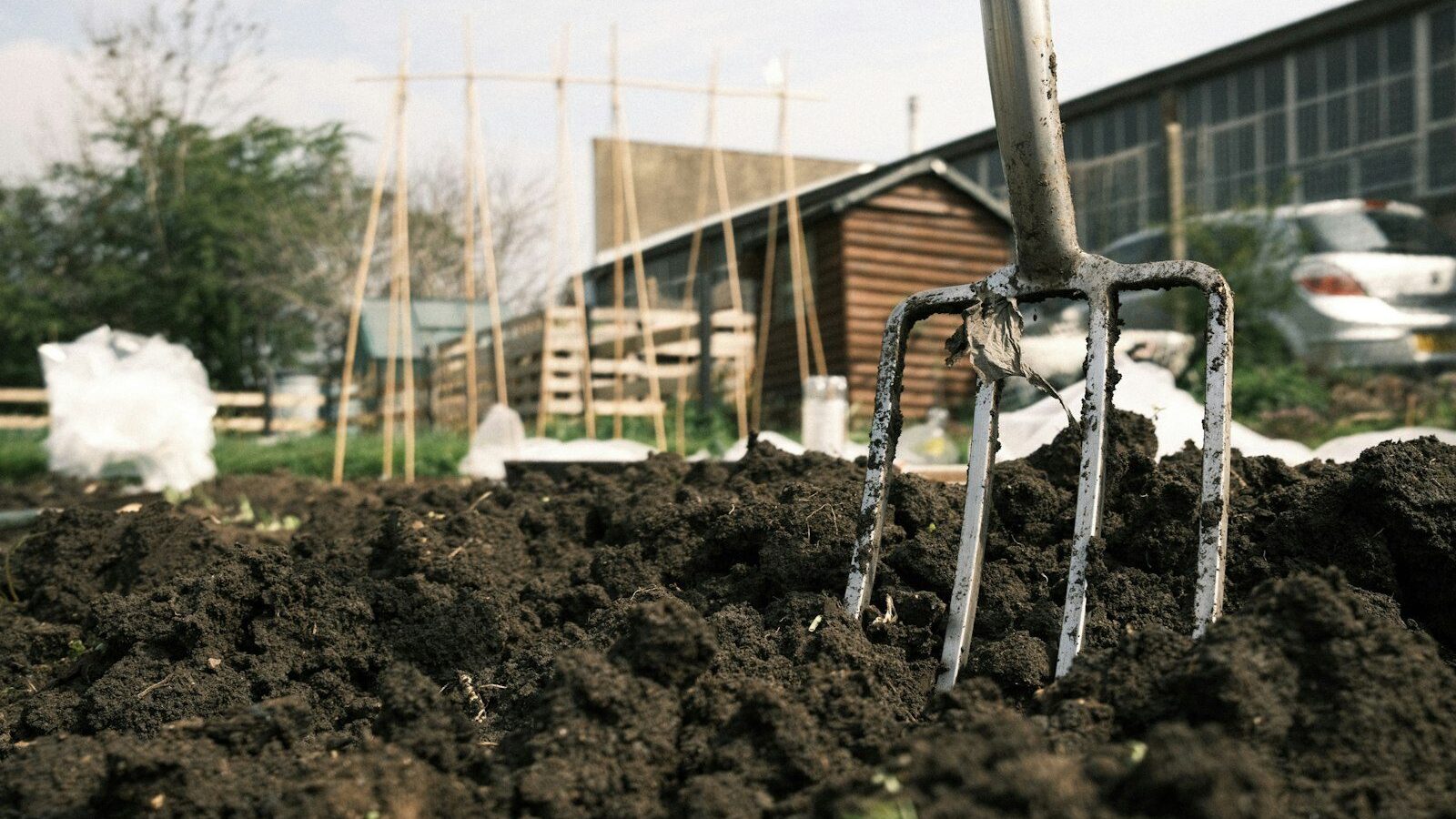
Making your own compost is ideal, but most of us run out before the season does — and that is where a good bagged compost earns its place. The trouble is that “compost” on a bag can mean anything from beautifully finished, screened humus to a hot, half-rotted mix of sawdust and biosolids that stunts seedlings. The right choice depends on what you are doing with it: top-dressing a lawn, filling a raised bed, potting containers, or amending heavy clay each ask for a different product. Below are seven bagged composts that consistently deliver, what each one is best suited to, and a buyer’s guide so you can read a bag label like a pro.
As an Amazon Associate we earn from qualifying purchases. This page contains affiliate links at no extra cost to you.
Key Takeaways
- For all-around raised-bed and garden use, a well-screened plant-based or manure compost like Coast of Maine or Black Kow is the safest, most reliable pick.
- For containers and seed starting, choose a finished, fine-textured compost or a worm-casting blend rather than a coarse soil conditioner.
- Look for “finished/aged,” OMRI-listed for organic growing, and a stated source (forest products, manure, mushroom, worm castings) rather than vague “organic matter.”
- Cheap mushroom and municipal composts are great value for amending beds but can be high in salts — flush or blend them before planting sensitive crops.
- One cubic foot covers about 6 square feet at a 2-inch depth, so buy by area and target depth, not by guesswork.
| Product | Best For | Key Spec |
|---|---|---|
| Coast of Maine Lobster Compost | Premium raised beds | OMRI-listed, lobster & peat blend |
| Black Kow Composted Manure | All-purpose amending | Composted cow manure, widely available |
| Charlie’s Compost | Organic vegetable beds | OMRI, poultry-litter based, microbe-rich |
| Wakefield BioChar Blend | Long-term soil structure | Compost + biochar for retention |
| Michigan Peat Garden Magic | Budget bulk amending | Reed-sedge peat compost, low cost |
| Worm Castings (Wiggle Worm) | Containers & seedlings | Pure earthworm castings, gentle |
| Espoma Organic Land & Sea | Coastal-style amendment | OMRI, manure, peat & kelp blend |
1. Coast of Maine Lobster Compost — Best Premium Raised-Bed Compost
Coast of Maine’s lobster compost is a cult favorite among raised-bed gardeners for good reason. It blends composted lobster and crab shells with peat, aged bark, and other marine sources, producing a dark, fine, sweet-smelling humus that is fully finished and ready to plant into. The marine inputs add calcium and trace minerals you do not get from a plain manure compost, and it is OMRI-listed for certified organic growing.
It shines as the compost component of a raised-bed mix — roughly a third compost, a third topsoil, a third aeration — or as a rich top-dress for established beds. It is more expensive per bag than commodity manure compost, so most gardeners reserve it for vegetable beds and prized perennials rather than filling a whole new bed from scratch.
Pros
- Fully finished, fine texture — plant straight into it
- OMRI-listed; marine inputs add calcium and trace minerals
- Low odor and clean to handle
Cons
- Premium price; expensive to fill large beds
- Regional availability is stronger in the Northeast
2. Black Kow Composted Cow Manure — Best All-Purpose Amendment
Black Kow is the workhorse bagged compost found on shelves nationwide, and its consistency is the reason it has lasted decades. It is fully composted cow manure — weed-seed-killed and aged, not raw — giving a balanced, mild nutrient boost and a reliable dose of organic matter. It is not flashy, but it is dependable, and that predictability is worth a lot when you are amending a whole garden.
Use it to enrich vegetable beds in spring, blend into planting holes for shrubs and roses, or work a 1–2 inch layer into tired soil each season. Because it is a true composted manure rather than a fluffy potting blend, it is better as an amendment mixed into existing soil than as a standalone container medium.
Pros
- Consistent quality and very widely available
- Fully composted and weed-seed-killed
- Affordable for the volume
Cons
- Heavy and dense — not ideal alone for containers
- Lower nutrient punch than richer specialty composts
3. Charlie’s Compost — Best for Organic Vegetable Beds
Charlie’s Compost is a microbe-rich, poultry-litter-based compost that vegetable growers reach for when they want maximum biological life and fertility. It blends composted chicken manure with cornstalks, hay, straw, clay, and rock dust, and is OMRI-listed. The result is a denser, more nutrient-charged product than a typical manure compost — a little goes a long way.
Because it is potent, use it as a concentrated amendment rather than a bulk filler: work a thin layer into beds before planting heavy feeders like tomatoes, squash, and brassicas, or side-dress mid-season. Mixing it with a lighter compost or existing soil keeps it from being too “hot” for tender seedlings.
Pros
- Exceptionally microbe- and nutrient-rich
- OMRI-listed for organic growing
- Small amounts deliver big results for heavy feeders
Cons
- Strong manure smell when freshly opened
- Can be too rich for seedlings unless diluted
4. Wakefield BioChar Compost Blend — Best for Long-Term Soil Structure
Wakefield’s compost-and-biochar blend is the pick for gardeners thinking beyond a single season. Biochar is a stable, porous form of carbon that does not break down quickly; it acts like a coral reef for soil microbes and a sponge for water and nutrients, improving retention in both sandy and clay soils for years. Combined with finished compost, it builds lasting soil structure rather than a one-season nutrient hit.
It is most valuable when establishing new beds, reconditioning poor native soil, or amending fast-draining sandy ground where ordinary compost washes through. Because biochar is a long-term investment, you do not need to reapply it every year the way you would a standard manure compost.
Pros
- Biochar dramatically improves water and nutrient retention
- Benefits last for years, not one season
- Works well in both sandy and clay soils
Cons
- Higher upfront cost per bag
- Lower immediate nutrient content than rich manure composts
5. Michigan Peat Garden Magic Compost — Best Budget Bulk Amendment
When you need to amend a large area without spending a fortune, Garden Magic is the value pick. It is a reed-sedge peat humus compost — dark, moisture-retentive, and inexpensive per cubic foot. It is not a high-nutrient product; think of it as bulk organic matter to lighten clay, improve moisture retention in sandy soil, and bulk up beds at a low cost.
Use it to build organic matter across a big vegetable plot or to backfill new beds in combination with a richer compost and your native soil. Because it is heavy and can pack down when wet, blend it with a coarser material rather than using it alone in containers, where drainage matters.
Pros
- Very economical for large areas
- Excellent moisture retention
- Lightens heavy clay effectively
Cons
- Low nutrient content — it is a conditioner, not a feed
- Can compact when wet; blend before using in pots
6. Wiggle Worm Earthworm Castings — Best for Containers & Seedlings
Pure earthworm castings are the gentlest, most refined “compost” you can buy, and Wiggle Worm is a long-standing favorite. Castings are fine, odorless, and packed with plant-available nutrients and beneficial microbes, yet mild enough that they will never burn a seedling. They are the ideal compost component for container mixes and seed-starting blends.
You do not use castings like bulk compost — they are concentrated. Mix roughly 10–20 percent into a potting mix, work a handful into a planting hole, or top-dress houseplants and containers. At that rate a bag lasts a long time, which softens the higher price per pound. For more on getting container blends right, see our Urban Gardening hub.
Pros
- Gentle enough for seedlings — will not burn
- Odorless, clean, and easy to store
- Rich in microbes and plant-available nutrients
Cons
- Expensive per pound — a supplement, not a bulk filler
- Too concentrated to use alone as a growing medium
7. Espoma Organic Land & Sea Compost — Best Coastal-Style Blend
Espoma’s Land & Sea brings together composted manure, peat, and marine ingredients like kelp and crab meal into a balanced, OMRI-listed blend that splits the difference between a rich manure compost and a mineral-laden marine product. The kelp and crab add micronutrients and a touch of slow nitrogen, while the manure-and-peat base supplies the bulk organic matter.
It is a strong general-purpose amendment for vegetable and flower beds, and Espoma’s nationwide distribution makes it easy to find. Use it as a 1–2 inch incorporated layer in spring, or blend it into raised-bed mixes where you want a bit more trace-mineral diversity than a plain manure compost provides.
Pros
- OMRI-listed with diverse marine micronutrients
- Balanced, easy-to-use general amendment
- Widely available from a trusted brand
Cons
- Mid-tier price, above commodity manure compost
- Bag sizes are smaller than bulk options
Buyer’s Guide: How to Choose Bagged Compost
Match the compost to the job
The biggest mistake is using one compost for everything. For amending garden beds and improving soil, a manure or plant-based compost like Black Kow or Espoma is ideal. For containers and seedlings, you want a fine, gentle product — worm castings or a finished fine-textured compost — because coarse, hot composts compact and can burn roots in the confined volume of a pot. For filling new raised beds, blend a quality compost with topsoil and an aeration component rather than using straight compost, which settles and stays soggy.
Read the label
Look for the words “finished,” “aged,” or “composted” — not “fresh” or “uncomposted,” which means it is still breaking down and will rob nitrogen from your soil and may carry weed seeds or pathogens. A stated source (forest products, cow or poultry manure, mushroom substrate, worm castings) is a good sign; vague “organic matter” is not. An OMRI listing confirms it is acceptable for organic growing. Avoid composts that smell sour or like ammonia, which signals they are not fully finished.
Watch for salts and fillers
Cheap municipal and mushroom composts are excellent value for bulk amending but can carry higher soluble salts; if you are planting salt-sensitive seedlings, blend them heavily with native soil or water the bed in well before planting. Be wary of composts bulked out with sand, sawdust, or unscreened wood chips, which add volume without much benefit and can tie up nitrogen as they decompose.
How much to buy
Buy by area and depth, not guesswork. One cubic foot of compost covers about 6 square feet at a 2-inch depth, or about 12 square feet at 1 inch. So a 4 x 8 foot raised bed (32 square feet) top-dressed at 2 inches needs roughly five to six cubic feet. For amending whole beds, an annual 1–2 inch incorporated layer keeps organic matter topped up. For more on building and filling beds, see our guide on how to build a raised planter box.
Frequently Asked Questions
What is the best bagged compost for raised beds?
A well-screened, finished compost like Coast of Maine Lobster Compost or Black Kow works best, blended with topsoil and an aeration material. Use about a third compost in the mix rather than filling a bed with straight compost, which settles and stays soggy.
Can I use bagged compost on its own to plant in?
For garden beds you should mix it into existing soil rather than plant in pure compost, which compacts and drains poorly over time. For containers, blend a gentle compost or worm castings into a potting mix rather than using straight compost alone.
How much bagged compost do I need?
One cubic foot covers roughly 6 square feet at a 2-inch depth. A 4 x 8 foot bed top-dressed at 2 inches needs about five to six cubic feet. Buy by area and target depth rather than by guesswork.
Is composted manure the same as compost?
Composted manure is one type of compost — animal manure that has been aged and broken down. It is excellent for amending beds but denser and lower in some nutrients than a microbe-rich blend like Charlie’s Compost. Make sure it says “composted,” never “fresh” manure.
What does OMRI-listed mean on a compost bag?
OMRI (the Organic Materials Review Institute) listing means the product has been reviewed and is approved for use in certified organic growing. It is a useful signal that the compost is free of synthetic additives and prohibited inputs.